
As I sail through the financial waters, I often encounter individuals struggling to navigate the choppy seas of debt. One of the most common dilemmas they face is choosing between the Snowball vs. Avalanche debt methods. It’s a decision that can make or break their financial journey, and one that I’ve seen many people struggle with. I remember my parents, who owned a small bookstore in our coastal town, grappling with debt and trying to find the best way to manage it. They ultimately found success with a combination of budgeting and strategic debt repayment, and I’ve carried those lessons with me into my own career as a Certified Financial Planner.
In this article, I promise to provide you with honest, no-nonsense advice on the Snowball vs. Avalanche debt methods. I’ll share my personal experience and expertise to help you make an informed decision about which method is right for you. I’ll cut through the financial jargon and provide you with a clear, straightforward guide to getting out of debt and achieving financial freedom. My goal is to empower you to take control of your finances and make progress towards your goals, whether that’s paying off credit cards or saving for a big purchase. Let’s set sail on this journey together and explore the best way to tackle your debt, once and for all.
Table of Contents
Snowball Method

The Snowball method is a debt reduction strategy that involves paying off debts with the smallest balances first, while making minimum payments on larger debts. This approach is often _appealing_ to individuals because it provides a sense of quick wins, as smaller debts are eliminated rapidly, giving a psychological boost to the debt repayment process. The main selling point of the Snowball method is its ability to deliver _tangible results_ in a short amount of time, which can be very motivating for those struggling with debt.
As someone who’s spent their fair share of time navigating through choppy financial waters, I can attest that the Snowball method’s focus on achieving early successes can be a powerful tool for building momentum. By paying off smaller debts first, individuals can experience a sense of _relief_ and accomplishment, which can help them stay committed to their debt repayment plan. This approach can be particularly helpful for those who need a boost of confidence to tackle their financial challenges head-on, and it’s a strategy that I’ve seen work well for many of my clients who were struggling to find their financial footing.
Avalanche Method

The Avalanche method, on the other hand, is a debt reduction strategy that involves paying off debts with the highest interest rates first, while making minimum payments on other debts. This approach is often favored because it can help individuals save money on interest payments over time, as high-interest debts are prioritized and eliminated first. The main objective of the Avalanche method is to _minimize the total amount paid_ in interest, making it a more _cost-effective_ approach to debt repayment.
In my experience as a financial planner, I’ve found that the Avalanche method can be a highly effective way to reduce debt, especially for those with high-interest loans or credit cards. By targeting high-interest debts first, individuals can avoid accumulating unnecessary interest charges and make significant progress towards becoming debt-free. This approach requires discipline and patience, but the long-term benefits can be substantial, and it’s an approach that I often recommend to my clients who are looking to _optimize their debt repayment strategy_.
Head-to-Head Comparison: Snowball vs. Avalanche Debt Methods
| Feature | Snowball | Avalanche |
|---|---|---|
| Key Feature | Pay smallest debts first | Pay debts with highest interest first |
| Best For | Those who need quick motivation | Those who want to save most on interest |
| Psychological Impact | Provides quick wins, boosting motivation | May take longer to see progress, potentially discouraging |
| Interest Savings | Less efficient in saving on interest | More efficient in saving on interest |
| Time to Pay Off | Can be longer due to focusing on smaller debts first | Generally shorter due to tackling high-interest debts first |
| Complexity | Simple and easy to understand | Simple and easy to understand |
| Financial Discipline | Requires discipline to stick to the plan | Requires discipline to stick to the plan |
Navigating Snowball vs Avalanche
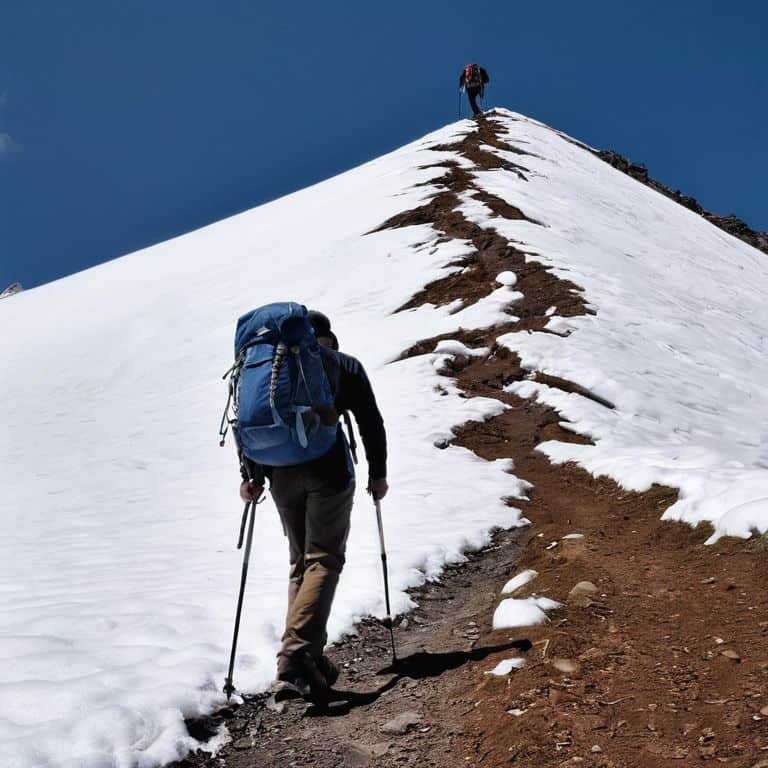
As we delve into the navigational challenges of debt repayment, it’s essential to consider how the Snowball and Avalanche methods help individuals stay on course. The ability to navigate these methods is crucial, as it directly impacts the success of one’s debt repayment journey. Effective navigation can make all the difference between smoothly sailing through debt repayment and getting lost in a sea of financial obligations.
When comparing the two methods, the Snowball approach provides a more psychologically motivating experience, as it allows individuals to quickly eliminate smaller debts, giving them a sense of accomplishment and momentum. In contrast, the Avalanche method focuses on tackling high-interest debts first, which, although more mathematically efficient, may not offer the same immediate emotional payoff.
On the other hand, the Avalanche method’s emphasis on high-interest debts can lead to more significant long-term savings, making it a more financially strategic choice. However, the Snowball method’s ability to provide rapid wins can help individuals stay engaged and committed to their debt repayment plan. After considering the navigational aspects of both methods, it’s clear that the Snowball approach is the winner in this category, as its motivational benefits can help individuals navigate the challenges of debt repayment more effectively.
Key Takeaways: Steering Your Financial Ship
By understanding the Snowball and Avalanche debt methods, you can choose the approach that best fits your financial landscape, helping you stay on course and avoid the rocky shores of debt
Regularly reviewing and adjusting your debt repayment strategy, much like a sailor checks the horizon for changing weather, is crucial for successfully navigating the journey to debt freedom
Ultimately, whether you opt for the Snowball or Avalanche method, the key to success lies in consistent effort and a clear understanding of your financial goals, allowing you to chart a steady course through the waters of debt and into the calmer seas of financial stability
Finding Calm in Turbulent Waters
Just as a seasoned sailor must choose the right tack to harness the wind, we must navigate our debt with the right strategy – whether it’s the swift momentum of the Snowball method or the calculated approach of the Avalanche, the key is to find the course that sets your finances free.
James Hammontree
The Final Verdict: Which Should You Choose?
As we’ve navigated the choppy waters of debt repayment, it’s clear that both the Snowball and Avalanche methods have their strengths and weaknesses. The Snowball method, with its focus on quick wins, can be a powerful motivator for those who need a boost of confidence in their debt repayment journey. On the other hand, the Avalanche method, with its emphasis on high-interest debt, can lead to significant savings in the long run. Ultimately, the choice between these two methods depends on your individual financial situation and personal preferences.
So, which method should you choose? If you’re someone who needs a psychological boost to stay motivated, the Snowball method might be the better choice. However, if you’re more concerned with minimizing interest payments, the Avalanche method is likely the way to go. As a Certified Financial Planner, I recommend the Avalanche method for those who can stick to it, but for others, the Snowball method can be a more effective and sustainable approach to debt repayment.
Frequently Asked Questions
Which debt method is more effective for paying off high-interest loans, Snowball or Avalanche?
For high-interest loans, I’d recommend the Avalanche method – it’s like riding the wind to calmer seas. By tackling the loan with the highest interest rate first, you’ll save more in interest over time, making it a more effective approach for paying off those costly loans and finding financial freedom.
How do I decide which debts to prioritize first when using the Avalanche method?
When using the Avalanche method, prioritize debts with the highest interest rates first. Think of it like navigating through a stormy sea – you want to tackle the most treacherous waters first to avoid getting pulled under. List your debts, identify the one with the highest interest rate, and focus on paying that off aggressively while making minimum payments on the others.
Can I combine elements of both the Snowball and Avalanche methods to create a hybrid approach to debt repayment?
Absolutely, you can mix and match elements to create a hybrid approach that suits your financial landscape. I like to call it ‘tacking’ – adjusting your debt repayment strategy to catch the wind of savings, just like a sailor adjusts their sails to maximize speed. By combining the psychological boost of the Snowball method with the efficiency of the Avalanche, you can chart a course that’s uniquely yours.

Leave a Reply
You must be logged in to post a comment.