Author: Alex Peterson

  • Cybersecurity Challenges and Solutions for Remote Work Environments

    Cybersecurity Challenges and Solutions for Remote Work Environments

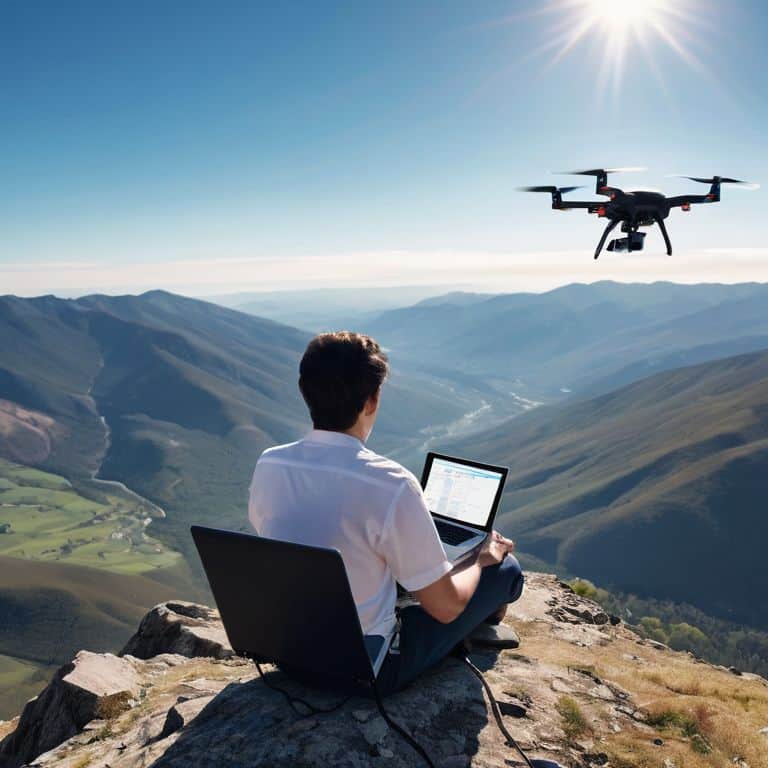
    As I sit amidst my collection of vintage computer chips, each one named after a legendary sci-fi character, I’m reminded of the cybersecurity in remote work challenges we face today. It’s astonishing how often I hear that remote work is inherently insecure, a myth that frustrates me to no end. The truth is, with the right strategies, remote work can be just as secure as working from a traditional office. In fact, many companies have successfully transitioned to remote work models without compromising their digital security.

    So, what does it take to safeguard your company’s digital frontier in the age of remote work? In this article, I’ll share practical, no-nonsense advice on how to implement robust cybersecurity measures that will protect your business from potential threats. From encrypting data to training employees on cybersecurity best practices, I’ll cover the essential steps you need to take to ensure your remote workforce is secure. By the end of this guide, you’ll have a clear understanding of how to navigate the complexities of cybersecurity in remote work and keep your business safe in an increasingly digital world.

    Table of Contents

    Guide Overview: What You'll Need

    Guide Overview: What You'll Need

    Total Time: 1 hour 30 minutes

    Estimated Cost: $0 – $100

    Difficulty Level: Intermediate

    Tools Required

    • Virtual Private Network (VPN) software (with subscription)
    • Antivirus program (with updates)
    • Password manager (with multi-factor authentication)
    • Firewall (with configuration)
    • Secure browser (with extensions)

    Supplies & Materials

    • Strong passwords (unique for each account)
    • Two-factor authentication (2FA) tokens (physical or digital)
    • Encryption software (for sensitive data)
    • Secure online storage (with access controls)
    • Cybersecurity awareness training (regular updates)

    Step-by-Step Instructions

    • 1. First, assess your current cybersecurity posture by taking a thorough inventory of all devices, software, and networks used by your remote team. This includes laptops, smartphones, tablets, and any other devices that access your company’s data. I like to think of this step as mapping the digital terrain, understanding where your team operates and what vulnerabilities might exist.
    • 2. Next, implement a robust password management system that requires strong, unique passwords for all accounts and devices. This can include multi-factor authentication to add an extra layer of security. As someone who names her vintage computer chips after sci-fi heroes, I appreciate the narrative of protection that a good password tells – it’s the first line of defense in our digital stories.
    • 3. Then, educate your remote team on cybersecurity best practices, such as avoiding public Wi-Fi for sensitive work, recognizing phishing attempts, and keeping software up to date. This step is about empowering your crew with the knowledge to navigate safely through the digital cosmos, much like my drones navigate through obstacles with the right programming.
    • 4. After that, use encryption for data both in transit and at rest. This means any data sent between devices or stored on devices should be encrypted to prevent unauthorized access. It’s like securing the cargo hold of your spaceship – you want to ensure that your valuable data is protected from any potential threats.
    • 5. Subsequently, regularly update and patch all software and systems to fix vulnerabilities that could be exploited by hackers. This includes operating systems, browsers, and any other software used by your team. I see this step as performing routine maintenance on my drones, ensuring they operate smoothly and efficiently, and in the context of cybersecurity, safely.
    • 6. Furthermore, use a virtual private network (VPN) when remote team members need to access public Wi-Fi. A VPN creates a secure, encrypted tunnel for data to pass through, protecting it from interception. It’s akin to plotting a secure course through potentially dangerous waters, ensuring your data reaches its destination safely.
    • 7. Additionally, monitor your systems and data for suspicious activity. Implementing a system for continuous monitoring can help detect and respond to threats in real time. This is keeping watch for hostile aliens in our sci-fi analogy, always vigilant and ready to respond to any potential threats to your digital galaxy.
    • 8. Finally, develop an incident response plan in case a cybersecurity breach does occur. This plan should outline steps to contain the breach, restore systems, and notify affected parties. It’s about having a rescue mission plan in place, knowing exactly how to respond if your digital spaceship is ever under attack.

    Cybersecurity in Remote Work

    Cybersecurity in Remote Work Solutions

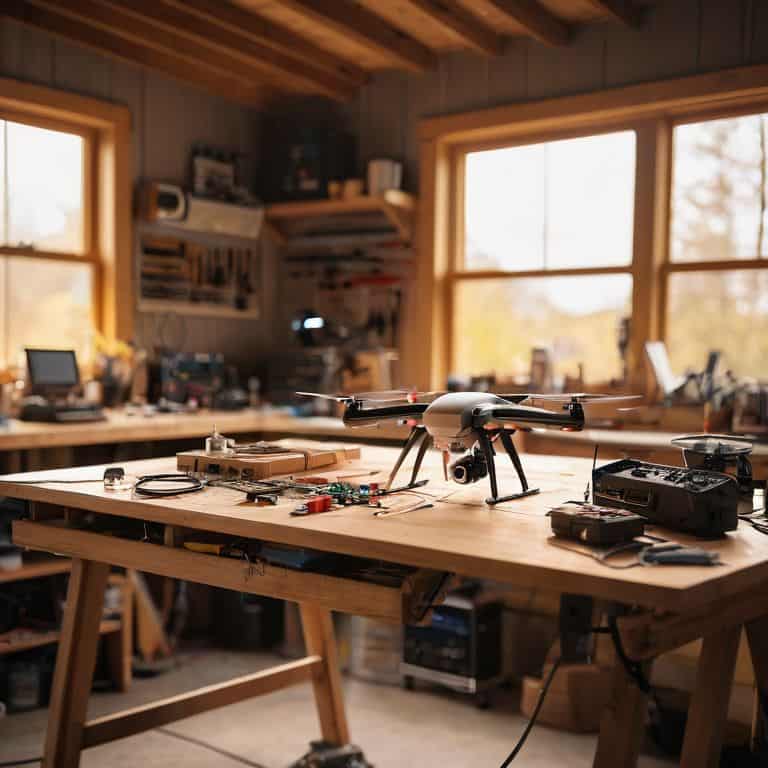
    As I delve into the world of remote work, I’m reminded of the importance of secure remote desktop protocols. These protocols are the backbone of remote work, allowing employees to access company resources from anywhere. However, they can also be a vulnerability if not implemented correctly. I recall a project where I had to design a custom drone to test the security of a company’s remote desktop protocol. It was a unique challenge, but it highlighted the need for robust security measures.

    To mitigate these risks, many companies are turning to virtual private networks (VPNs) for remote teams. A VPN creates a secure, encrypted connection between the employee’s device and the company’s network, protecting data from interception. This is especially important for remote employees who may be working from public Wi-Fi networks. As someone who’s passionate about designing drones, I appreciate the importance of a secure connection – just like how a drone needs a stable signal to navigate, remote employees need a secure connection to work efficiently.

    In addition to technical measures, cloud security best practices are also crucial for remote work. This includes regular software updates, strong passwords, and multi-factor authentication. By following these best practices, companies can reduce the risk of data breaches and ensure a safe working environment for their remote employees. As I look at my collection of vintage computer chips, each one named after a famous sci-fi character, I’m reminded that even in a world of advanced technology, human error can still be a significant risk – which is why ongoing remote work cybersecurity training is essential.

    Cloud Security for Remote Teams

    As I design and fly my custom drones, I’m constantly reminded of the importance of secure data transmission – a principle that also applies to cloud security for remote teams. When team members access company data from various locations, it’s crucial to ensure that cloud storage is protected from unauthorized access. This can be achieved by implementing robust access controls, such as multi-factor authentication and encryption.

    By taking these measures, remote teams can safeguard their digital assets, much like my vintage computer chip collection, named after legendary sci-fi characters, is protected in my home office. Regular security audits and updates are also vital to prevent data breaches, allowing teams to focus on innovation and collaboration, rather than worrying about cyber threats.

    Secure Remote Desktops With Vpn

    As I delve into the world of remote work cybersecurity, I’m reminded of the importance of safeguarding our digital gateways. Secure remote desktops with VPNs are a crucial line of defense, encrypting data and protecting against unauthorized access. It’s like navigating through a wormhole – you need the right protocols to avoid getting lost in the vast expanse of cyberspace.

    By implementing a reliable VPN, remote workers can ensure their connections are secure, no matter where they are in the galaxy. This is especially vital when accessing sensitive information or working with confidential data. With a VPN, you can create a secure tunnel for your data to flow through, shielding it from potential threats and keeping your digital assets safe.

    • Implement a Zero-Trust Model: Treat all remote connections as untrusted, verifying identities and access rights before granting entry to your digital realm
    • Secure Your Home Network: As a remote worker, your home network is the frontline of defense – ensure it’s fortified with strong passwords, WPA3 encryption, and regular firmware updates
    • Use End-to-End Encryption: Whether it’s video conferencing or file sharing, encrypt your data in transit to prevent eavesdropping and interception by malicious actors
    • Conduct Regular Virtual Security Audits: Just as a starship requires regular maintenance, your remote work setup needs periodic security audits to identify vulnerabilities and patch them before they’re exploited
    • Train Your Team in Cybersecurity Best Practices: In a remote work environment, human error can be a significant liability – educate your team on phishing, password management, and safe browsing habits to create a robust collective defense

    Key Takeaways for a Secure Remote Work Future

    Implementing robust cybersecurity measures is crucial for protecting against potential threats in remote work environments, just as Captain Kirk defended the galaxy against unknown dangers

    Utilizing VPNs for secure remote desktops and investing in cloud security solutions can significantly reduce the risk of data breaches and cyber attacks on remote teams

    By embracing a proactive and innovative approach to cybersecurity, we can unlock the full potential of remote work, fostering a culture of imagination, collaboration, and digital exploration, much like the Star Trek vision of a harmonious and technologically advanced future

    As we venture further into the realm of remote work, cybersecurity is no longer just a precaution, but a compass that guides us through the uncharted territories of the digital world, reminding us that the true final frontier is not space, but the boundaries of our own innovation and vigilance.

    Alex Peterson

    Embracing the Future of Remote Work Cybersecurity

    Embracing the Future of Remote Work

    As I reflect on our journey through the realm of cybersecurity in remote work, it’s clear that securing our digital frontier is a multifaceted challenge. We’ve explored the importance of secure remote desktops with VPN, delved into the nuances of cloud security for remote teams, and examined the steps necessary to safeguard our digital assets. By acknowledging the potential threats and implementing robust measures, we can create a safer, more resilient remote work environment. This not only protects our businesses but also fosters a culture of trust and innovation.

    As we look to the future, it’s essential to remember that cybersecurity is not a static goal, but a dynamic process. It requires continuous learning, adaptation, and innovation. By embracing this mindset and working together, we can unlock the full potential of remote work, unshackled by the fears of cyber threats. So, let’s venture forth into this new frontier with optimism and creativity, inspired by the limitless possibilities that technology and imagination can offer, and remember, the final frontier of cybersecurity is one that we can conquer, together.

    Frequently Asked Questions

    What are the most common cybersecurity threats to remote workers and how can they be mitigated?

    As I design drones and tinker with vintage tech, I’ve seen firsthand how phishing, malware, and unsecured networks can threaten remote workers. Mitigating these risks requires a multi-layered approach, from educating teams about phishing scams to implementing robust firewalls and encryption, safeguarding our digital landscape.

    How can remote teams ensure that their cloud storage is secure and compliant with data protection regulations?

    To safeguard cloud storage, I recommend remote teams implement robust access controls, encrypt data, and choose providers that comply with regulations like GDPR and HIPAA – just like my drone’s secure comms system, our cloud data needs a reliable shield to protect it from potential threats.

    What role do VPNs play in protecting remote desktops and what are the key considerations for choosing the right VPN solution?

    VPNs are the guardians of remote desktops, shielding them from cyber threats. When choosing a VPN, consider factors like encryption strength, server locations, and ease of use – just like plotting a safe flight path for my custom drones, you want a secure and reliable connection to navigate the digital skies.

  • Virtual Reality: the Next Frontier for Remote Business Meetings

    Virtual Reality: the Next Frontier for Remote Business Meetings

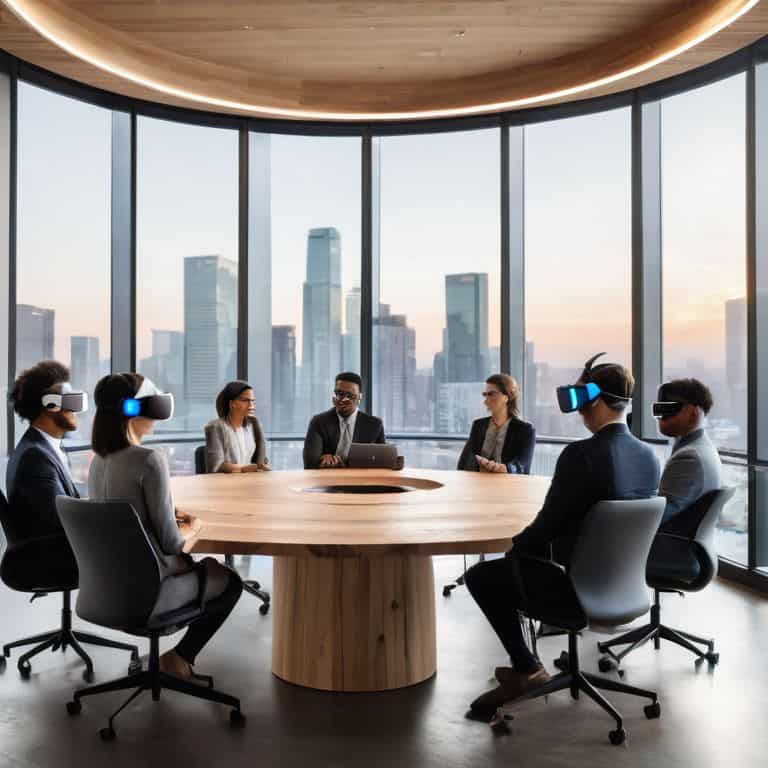
    I still remember the first time I experienced virtual reality in business – it was like stepping into a futuristic world, where the boundaries of reality were stretched. But, as I delved deeper, I realized that many of the discussions around this technology were mired in overcomplicated jargon and exaggerated claims. It seemed like everyone was trying to sell a magical solution, rather than genuinely exploring how virtual reality could enhance our work. As someone who’s passionate about demystifying technology, I found this frustrating – and I’m sure I’m not alone.

    In this article, I promise to cut through the hype and share my hands-on experience with virtual reality in business. I’ll explore the practical applications of this technology, from immersive training programs to virtual collaboration tools. My goal is to provide you with a no-nonsense guide to navigating the possibilities and pitfalls of virtual reality in a business context. I’ll draw on my own experiences as a tech futurist and innovation consultant to offer actionable advice and insights that you can apply to your own work. By the end of this journey, you’ll have a clear understanding of how virtual reality can be a powerful tool for driving innovation and growth in your organization.

    Table of Contents

    Virtual Reality in Business

    Virtual Reality in Business meetings

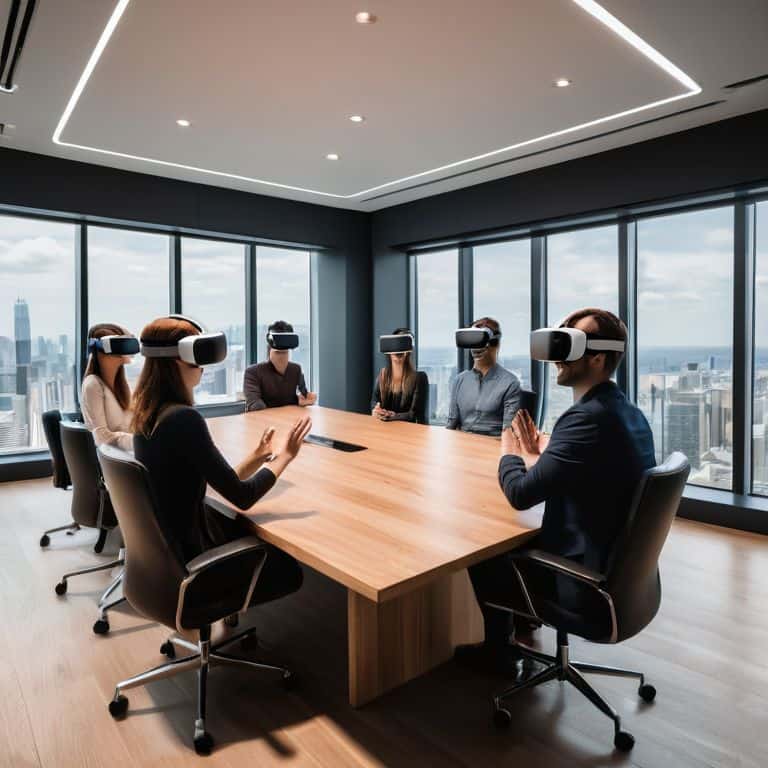
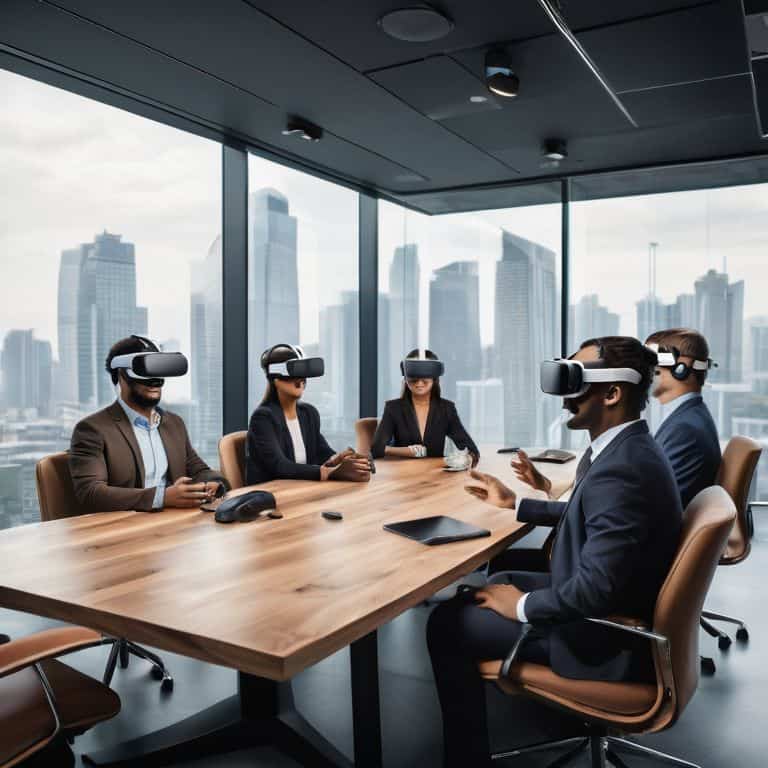
    As I delve into the world of vr meeting software, I’m reminded of the countless hours I spent designing custom drones, trying to push the boundaries of what’s possible. Similarly, businesses are now leveraging virtual reality to revolutionize the way teams collaborate and communicate. With the help of vr collaboration tools for remote teams, companies can facilitate more immersive and engaging meetings, regardless of geographical distances.

    The business applications of virtual reality extend far beyond meetings, though. I’ve seen firsthand how virtual reality training programs can enhance employee skills and knowledge retention. By simulating real-world scenarios, businesses can provide their staff with a more immersive and effective learning experience. This, in turn, can lead to improved customer service and overall performance.

    As we look to the future of virtual reality in marketing, it’s exciting to think about the potential for vr technology for customer service. Imagine being able to transport customers into a fully interactive product demo, or providing them with virtual support that feels almost indistinguishable from in-person assistance. The possibilities are endless, and I’m eager to see how businesses will continue to innovate and push the boundaries of what’s possible with virtual reality.

    Revolutionizing Meetings With Vr Software

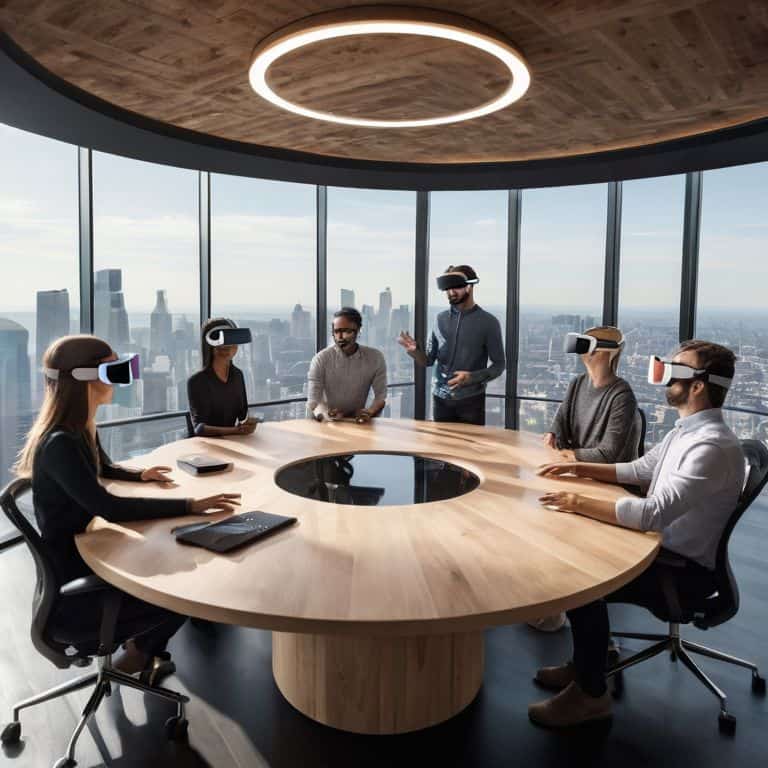
    As I delve into the world of virtual reality in business, I’m excited to explore how it’s revolutionizing meetings. With VR software, teams can come together in entirely new ways, transcending geographical boundaries and fostering a sense of presence that traditional video conferencing can’t match.

    By leveraging immersive collaboration tools, businesses can create interactive, engaging environments that encourage creative problem-solving and enhance teamwork. This shift is not only making meetings more productive but also more enjoyable, allowing participants to feel like they’re part of a shared, futuristic experience.

    Transforming Teams With Vr Collaboration Tools

    As I design and fly my custom drones, I often think about how virtual collaboration can enhance team performance. By leveraging VR, teams can work together in entirely new ways, regardless of their physical locations. This technology has the potential to break down barriers and foster a sense of unity among team members.

    In my experience, immersive experiences can greatly impact team dynamics. When team members can interact with each other and their environment in a more natural way, it can lead to increased productivity and creativity. I’ve seen this firsthand in my own work, where VR collaboration tools have helped me connect with colleagues and clients on a deeper level, much like the crew of the Enterprise working together to navigate the unknown.

    Future of Business in Virtual Realms

    Future of Business in Virtual Realms

    As I envision the future of business in virtual realms, I’m reminded of the countless hours I spent designing and flying custom drones, pushing the boundaries of what’s possible. Similarly, business applications of virtual reality are continually expanding, transforming the way companies operate and interact with customers. The potential for vr collaboration tools for remote teams to enhance productivity and creativity is vast, and I’m excited to see how these innovations will shape the landscape of business communication.

    The impact of vr technology for customer service cannot be overstated, as it enables companies to provide immersive and personalized experiences that foster deeper connections with their clientele. By leveraging virtual reality training programs, businesses can also ensure that their staff is equipped with the skills and knowledge necessary to thrive in an increasingly complex and competitive market. As a tech futurist, I’m eager to explore the possibilities that arise when vr meeting software is integrated with other cutting-edge technologies, such as artificial intelligence and the Internet of Things.

    As we look to the horizon, it’s clear that the future of virtual reality in marketing will be shaped by the innovative applications of vr collaboration tools and other immersive technologies. By embracing these advancements, businesses can unlock new avenues for growth, improve customer engagement, and stay ahead of the curve in an ever-evolving marketplace. With the rise of virtual reality, the boundaries between the physical and digital worlds are blurring, and I’m thrilled to be a part of this journey, inspiring others to explore the endless possibilities that await us in the virtual realm.

    Breaking Barriers With Vr Technology in Marketing

    As I delve into the realm of virtual reality in marketing, I’m reminded of the countless hours I spent designing drones, trying to push the boundaries of what’s possible. Now, with immersive storytelling, brands can transport their audiences to new dimensions, evoking emotions and creating lasting connections. This shift in marketing strategy is not just about showcasing products, but about crafting experiences that linger long after the campaign is over.

    The potential for personalized engagement is vast, allowing companies to tailor their messages to individual preferences, much like my vintage computer chips, each named after a unique sci-fi character, tell a story of their own. By leveraging VR technology, marketers can break down barriers and build stronger, more meaningful relationships with their customers, paving the way for a future where the lines between reality and virtual reality are beautifully blurred.

    Unlocking Virtual Reality Training Programs

    As I delve into the world of virtual reality training programs, I’m reminded of the holodeck simulations from Star Trek, where crew members could practice and refine their skills in a completely immersive environment. This concept is now a reality, with VR technology being used to create highly interactive and effective training experiences.

    By enhancing engagement, VR training programs can increase knowledge retention and reduce the risk of accidents or errors, making them an attractive solution for industries that require precise and nuanced skill sets.

    • Embrace Immersive Storytelling: Use VR to craft compelling narratives about your brand, products, or services, drawing inspiration from the sci-fi worlds that once sparked my own imagination
    • Leverage VR for Enhanced Training: Develop interactive, immersive training programs that simulate real-world scenarios, reducing costs and increasing knowledge retention, much like the holodeck training simulations from Star Trek
    • Revolutionize Remote Collaboration: Implement VR tools that enable teams to meet, interact, and collaborate in virtual environments, fostering a sense of presence and community, even across vast distances
    • Unlock New Marketing Dimensions: Utilize VR to create immersive product demos, virtual showrooms, and interactive experiences that transport customers into the heart of your brand, blurring the lines between reality and fantasy
    • Monitor and Measure VR ROI: Establish clear metrics to evaluate the effectiveness of VR initiatives, ensuring that investments in virtual reality yield tangible, real-world benefits for your business, and continuously refine your strategy to optimize impact

    Key Takeaways: Navigating the Frontier of Virtual Reality in Business

    I’ve seen firsthand how virtual reality can transport us to new dimensions of collaboration and innovation, making remote meetings feel more personal and immersive than ever before

    By embracing VR technology, businesses can unlock new avenues for training, marketing, and team building, essentially bridging the gap between the physical and virtual worlds

    As we venture further into the realm of virtual reality, it’s exhilarating to consider the endless possibilities it holds for revolutionizing the way we work, create, and interact – a true embodiment of the futuristic ideals that have always inspired me

    Embracing the Future

    As we step into the virtual realms of business, we’re not just adopting a new technology – we’re unlocking a new dimension of human connection, creativity, and innovation, where the boundaries of reality are merely a starting point for what’s possible.

    Alex Peterson

    Embracing the Virtual Frontier

    Embracing the Virtual Frontier

    As I reflect on the journey of virtual reality in business, I’m reminded of the profound impact it’s had on meetings, teams, and training programs. From revolutionizing meetings with VR software to transforming teams with collaboration tools, and from unlocking virtual reality training programs to breaking barriers with VR technology in marketing, the landscape of business is forever changed. The future of business in virtual realms is not just about adopting new technology, but about embracing a new mindset – one that sees boundless potential in the fusion of the physical and digital worlds.

    As we stand at the threshold of this new era, I’m excited to see how businesses will continue to push the boundaries of what’s possible with virtual reality. My hope is that this technology will not only streamline operations and enhance customer experiences, but also inspire a new generation of innovators to dream big, just as my father’s love for Star Trek inspired me to reach for the stars. The possibilities are endless, and I have no doubt that together, we’ll create a future that’s more immersive, more interactive, and more extraordinary than we ever thought possible.

    Frequently Asked Questions

    How can businesses effectively integrate virtual reality into their existing operations without disrupting current workflows?

    To seamlessly integrate VR, businesses should identify key pain points and areas for improvement, then pilot targeted VR solutions that complement existing workflows, allowing for a gradual and efficient adoption of this innovative technology.

    What are the most significant challenges companies face when implementing virtual reality solutions for training and collaboration?

    I’ve seen companies struggle with integrating VR into their existing infrastructures, ensuring user adoption, and measuring the ROI of their VR investments – but with the right strategy and support, these hurdles can be overcome, and the benefits of immersive training and collaboration can be fully realized.

    Can virtual reality technology be used to enhance customer experience and increase brand engagement in a business-to-consumer setting?

    I believe VR can be a game-changer for customer experience, allowing businesses to create immersive, interactive experiences that draw customers in and foster deeper brand connections – just imagine stepping into a virtual showroom or participating in a immersive product demo, it’s like beaming into a whole new world of engagement.

  • How Ai Is Redefining Remote Work Roles in Finance

    How Ai Is Redefining Remote Work Roles in Finance

    I still remember the first time I saw a presentation on AI in remote work – it was like something straight out of Star Trek, and I couldn’t wait to dive in and explore its possibilities. But as I delved deeper, I realized that the reality was far from the hype. Many so-called “experts” were touting AI as a magic solution for remote teams, without really understanding the nuances of how it could be applied. I’ve seen companies spend thousands of dollars on AI-powered tools, only to end up with a fancy dashboard that doesn’t really improve their workflow. It’s time to cut through the noise and get real about what AI in remote work can actually do.

    As someone who’s spent years designing custom drones and consulting on innovative tech projects, I’ve learned that the key to successful AI integration is to focus on the human element. In this article, I’ll share my no-nonsense advice on how to harness the power of AI to enhance your remote work experience, without breaking the bank or getting caught up in unnecessary complexity. I’ll take you through real-world examples of how AI can streamline communication, boost productivity, and foster a sense of community among remote teams. My goal is to empower you with the knowledge and inspiration to unlock the full potential of AI in remote work, and to start building a future that’s more efficient, more innovative, and more connected.

    Table of Contents

    Ai in Remote Work

    Ai in Remote Work Solutions

    As I delve into the world of artificial intelligence for remote teams, I’m reminded of the countless hours I spent watching Star Trek with my dad, dreaming of a future where technology would seamlessly connect people across distances. Today, that future is a reality, and virtual collaboration tools with AI are revolutionizing the way we work together remotely. From automated task assignments to intelligent meeting scheduling, these tools are streamlining workflows and enhancing productivity.

    The future of work with machine learning is particularly exciting, as it enables remote teams to analyze vast amounts of data, identify patterns, and make informed decisions. I’ve seen this firsthand in my own work with custom drones, where ai driven remote project management has allowed me to collaborate with colleagues from all over the world, tracking progress and adjusting strategies in real-time. This level of coordination and flexibility is a game-changer for remote teams, and it’s an area where I’m eager to explore further.

    As we look to the future, it’s clear that remote work automation strategies will play a crucial role in shaping the way we work. With ai powered virtual communication tools, remote teams can now communicate more effectively, with features like real-time language translation and sentiment analysis. This not only breaks down geographical barriers but also fosters a more inclusive and collaborative work environment. As someone who’s passionate about designing and flying custom drones, I’m thrilled to see how these technologies will continue to evolve and transform the world of remote work.

    Ai Driven Remote Project Management

    As I delve into the world of remote project management, I’m reminded of the countless hours I spent designing custom drones, where precision and efficiency were key. This is where AI-driven automation comes into play, streamlining tasks and ensuring seamless execution. By leveraging AI, remote teams can focus on high-level decision making, leaving the mundane tasks to the machines.

    In my experience, intelligent resource allocation has been a game-changer for remote project management. With AI analyzing workload, skill sets, and deadlines, teams can optimize their workflow, reducing bottlenecks and increasing overall productivity. This harmonious blend of human intuition and AI-driven insights is the future of remote work, and I’m excited to see it unfold.

    Virtual Collaboration Tools With Ai

    As I delve into the world of remote work, I’m excited to explore virtual collaboration tools that are being revolutionized by AI. These tools are not just about facilitating communication, but about creating an immersive experience that simulates in-person interactions. I’ve seen firsthand how AI-powered platforms can enhance teamwork, making it feel more natural and intuitive.

    With AI-driven insights, virtual collaboration tools can now offer personalized recommendations to enhance team productivity and efficiency. This means that teams can work more seamlessly together, regardless of their physical locations, and focus on driving innovation and creativity in their projects.

    Future of Work With Ai

    Future of Work With Ai

    As I envision the future of work with machine learning, I’m reminded of the countless hours I spent in my family’s garage, tinkering with old electronics and dreaming of a world where technology seamlessly integrates into our daily lives. Today, that vision is becoming a reality, with artificial intelligence for remote teams revolutionizing the way we collaborate and innovate. I see my custom drones, equipped with AI-powered sensors, as a symbol of this fusion of technology and imagination.

    The potential for remote work automation strategies to streamline our workflows and enhance productivity is vast. By leveraging AI powered virtual communication, we can break down geographical barriers and foster a more inclusive, global work environment. As a tech futurist, I’m excited to explore the possibilities of AI-driven remote project management, where machines can help us prioritize tasks, allocate resources, and make data-driven decisions.

    As we embark on this journey, it’s essential to remember that the true power of AI lies not in replacing human ingenuity, but in augmenting it. By embracing virtual collaboration tools with AI, we can unlock new levels of creativity, innovation, and progress. As I gaze at my collection of vintage computer chips, each one named after a famous sci-fi character, I’m reminded that the future of work is not just about technology – it’s about the stories we tell, the dreams we chase, and the boundaries we push.

    Ai Powered Virtual Communication

    As I delve into the world of AI-powered virtual communication, I’m reminded of the holodeck from Star Trek, where characters could engage in immersive, virtual interactions. This concept is now becoming a reality, with AI-driven platforms that enable more natural language processing in virtual meetings and discussions.

    I’ve seen firsthand how AI can enhance virtual communication by providing real-time translation services, breaking down language barriers and fostering global collaboration.

    Remote Work Automation Strategies

    As I delve into the world of remote work automation, I’m reminded of the countless hours I spent designing custom drones, where precision engineering was key to seamless flight. Similarly, in remote work, automation strategies require meticulous planning to ensure that tasks are executed flawlessly, freeing up human resources for more creative and high-value tasks.

    By implementing intelligent automation solutions, remote teams can streamline repetitive tasks, enhance productivity, and reduce the risk of human error, much like how my vintage computer chips, named after legendary sci-fi characters, still inspire me to push the boundaries of innovation.

    5 Cosmic Tips to Blast Off Your Remote Work with AI

    • Embrace AI as Your New Team Member: Just like my trusty drone sidekicks, AI can be a powerful collaborator in remote work, automating tasks and enhancing productivity
    • Leverage Virtual Collaboration Tools with AI: From virtual whiteboards to AI-powered meeting assistants, these tools can make remote team meetings feel like you’re all in the same room, minus the coffee spills
    • Use AI to Navigate Remote Project Management: AI-driven project management tools can help you stay on top of tasks, deadlines, and team performance, making it feel like you have a superpower
    • Implement Remote Work Automation Strategies: By automating repetitive tasks with AI, you can free up more time for creative problem-solving and innovation, just like the crew of the USS Enterprise
    • Master AI-Powered Virtual Communication: With AI-powered communication tools, you can ensure that your remote team stays connected and engaged, no matter where they are in the universe, and that’s a future worth looking forward to

    Key Takeaways for a Futuristic Remote Work Era

    I’ve learned that integrating AI into remote work isn’t just about efficiency; it’s about unlocking new dimensions of collaboration and innovation, much like my dad’s favorite Star Trek episodes envisioned.

    By embracing AI-driven tools for virtual collaboration and project management, teams can transcend geographical barriers and achieve a harmony of human touch and technological prowess, which I see as the future of work.

    As we embark on this journey to the future of remote work with AI, it’s crucial to remember that the true power of technology lies not in its ability to automate, but in its capacity to inspire and connect us on a deeper level, a lesson I apply to my own drone designs and vintage computer chip art collection.

    Envisioning the Frontier

    As we harness the power of AI in remote work, we’re not just streamlining processes – we’re crafting a cosmos of collaboration, where distance is no longer a barrier, but a bridge to innovation, built by the dreamers and the daring.

    Alex Peterson

    Embracing the Future of Remote Work with AI

    Embracing the Future of Remote Work

    As I reflect on the journey of AI in remote work, I’m reminded of the virtual collaboration tools that have revolutionized the way we work together. From AI-driven remote project management to remote work automation strategies, it’s clear that technology is not just a tool, but a gateway to imagination and innovation. The integration of AI in remote work has opened doors to new possibilities, enabling teams to work more efficiently and effectively. Whether it’s through AI-powered virtual communication or the use of machine learning algorithms to streamline tasks, the future of work is undoubtedly being shaped by AI.

    As we move forward, it’s essential to remember that the true power of AI lies not in its ability to automate tasks, but in its capacity to unlock human potential. By embracing AI in remote work, we’re not just changing the way we work – we’re changing the way we think about work. So, let’s boldly go where no one has gone before, and create a future where technology and human imagination come together to achieve the impossible. The journey ahead is exciting, and I’m eager to see the impact that AI will have on the future of remote work.

    Frequently Asked Questions

    How will AI affect job security in remote work environments?

    As I gaze at my vintage computer chip collection, I ponder the future of job security in remote work. Honestly, AI will undoubtedly replace some tasks, but it will also create new opportunities, much like how my drones have opened up new avenues for innovation. The key is to focus on skills that complement AI, ensuring humans and technology collaborate, not compete.

    What are the most effective ways to implement AI-driven project management tools for remote teams?

    I’ve seen firsthand how AI-driven project management tools can revolutionize remote teamwork – my favorite approach is to integrate AI-powered task automation and predictive analytics to streamline workflows and boost productivity, just like my dad’s old Star Trek episodes predicted, where technology seamlessly supported human collaboration.

    Can AI-powered virtual communication platforms truly replicate the nuances of in-person interactions?

    I believe AI can get remarkably close to replicating in-person interactions, but it’s the subtle cues – a nod, a smile – that still require a human touch, much like Captain Kirk’s charisma couldn’t be fully replicated by a hologram, at least not yet.

  • Iot Security Challenges: Safeguarding Business Networks

    Iot Security Challenges: Safeguarding Business Networks

    I still remember the first time I saw a smart home system get hacked – it was like something out of a sci-fi movie, and it made me realize just how vulnerable our connected devices really are to IoT security challenges. The scene was set in a friend’s living room, where we were marveling at the seamless integration of their appliances, lights, and thermostat. But in an instant, the serene atmosphere turned into a digital nightmare, as the system began to malfunction and spit out eerie, futuristic beeps. It was as if the very fabric of our technological utopia had been torn apart, revealing the dark underbelly of cyber insecurity.

    As someone who’s spent years designing drones and consulting on tech innovation, I’ve seen my fair share of security breaches. But what frustrates me is the lack of honest, straightforward advice on how to tackle these issues. That’s why I’m committed to providing you with no-nonsense guidance on overcoming the IoT security challenges that are holding you back. In this article, I’ll share my personal experiences, insights, and expertise to help you navigate the complex world of IoT security, and unlock the true potential of your connected devices. My goal is to empower you with the knowledge and confidence to imagine and innovate fearlessly, just as I do when I’m designing and flying my custom drones.

    Table of Contents

    Navigating Iot Security Challenges

    As I delve into the world of connected devices, I’m reminded of the iot device penetration testing my team conducted on a smart home system. It was astonishing to see how vulnerable these devices can be to cyber threats. To mitigate such risks, it’s essential to implement secure iot communication protocols that ensure data transmission is encrypted and authenticated. This not only protects user data but also prevents unauthorized access to the device.

    When it comes to data protection, iot data encryption methods play a crucial role. By encrypting data both in transit and at rest, we can prevent hackers from intercepting and exploiting sensitive information. However, encryption is just one aspect of a comprehensive security strategy. Iot security risk assessment tools can help identify potential vulnerabilities and provide insights into the overall security posture of an IoT ecosystem.

    To further enhance security, best practices for iot network segmentation should be adopted. This involves isolating IoT devices from the rest of the network to prevent lateral movement in case of a breach. By implementing these measures and leveraging iot security information and event management systems, we can significantly reduce the risk of IoT-related security incidents and create a safer, more connected world.

    Penetrating the Unknown Iot Device Testing

    As I delve into the realm of IoT device testing, I’m reminded of the countless hours I spent in my father’s garage, tinkering with gadgets and machinery. This curiosity has led me to emphasize the importance of comprehensive testing in ensuring the security of our connected devices. By putting these devices through rigorous trials, we can identify vulnerabilities and strengthen their defenses against potential threats.

    In my experience with designing and flying custom drones, I’ve learned that simulated environments play a crucial role in testing IoT devices. These simulated environments allow us to mimic real-world scenarios, helping us to better understand how devices will behave in various situations and making it easier to pinpoint areas that need improvement.

    Securing Galactic Transmission Iot Protocols

    As I delve into the world of IoT security, I’m reminded of the importance of secure communication protocols. These protocols are the backbone of our connected devices, ensuring that data is transmitted safely and efficiently. When designing my custom drones, I always consider the potential vulnerabilities in these protocols, as a single breach could compromise the entire system.

    To mitigate such risks, I focus on implementing end-to-end encryption, which guarantees that only authorized devices can access and interpret the data. This approach not only protects against eavesdropping but also ensures the integrity of the data being transmitted, much like the secure subspace channels used in my favorite Star Trek episodes.

    Unlocking Iot Security Solutions

    Unlocking Iot Security Solutions

    As I delve into the world of iot device penetration testing, I’m reminded of the countless hours I spent as a child, watching Star Trek with my father, mesmerized by the futuristic technology. Today, I apply that same curiosity to identifying vulnerabilities in IoT devices, a crucial step in securing our connected world. By simulating cyber attacks, we can uncover weaknesses and develop more robust defenses.

    In my experience, secure iot communication protocols are the backbone of a trustworthy IoT ecosystem. Implementing end-to-end encryption and secure authentication mechanisms can significantly reduce the risk of data breaches. I’ve seen firsthand how iot data encryption methods can protect sensitive information, much like the codes used by my favorite sci-fi heroes to safeguard their intergalactic transmissions.

    To effectively manage and mitigate risks, I recommend utilizing iot security risk assessment tools to identify potential threats and prioritize remediation efforts. By adopting best practices for iot network segmentation, we can isolate critical systems and prevent lateral movement in case of a breach. Furthermore, implementing iot security information and event management systems enables real-time monitoring and incident response, ensuring a proactive approach to security.

    Encrypting the Cosmos Iot Data Encryption

    As I delve into the realm of IoT data protection, I’m reminded of the vast, uncharted territories of space – where a single misstep can lead to catastrophic consequences. Secure transmission of data is paramount, and encryption plays a pivotal role in safeguarding sensitive information from prying eyes.

    In my experience with designing custom drones, I’ve seen firsthand the impact of robust encryption on ensuring the integrity of data transmitted between devices, and it’s a lesson that applies equally to the broader IoT landscape.

    Segmenting the Network Galaxy Iot Risk Assessment

    As I delve into the realm of IoT risk assessment, I’m reminded of the vast, uncharted territories that exist within our network galaxies. Identifying vulnerabilities is crucial, akin to mapping the stars to avoid cosmic collisions. By doing so, we can prevent potential breaches and ensure a safer, more secure IoT ecosystem.

    In this endeavor, network segmentation plays a pivotal role, allowing us to isolate and protect sensitive areas of our network from potential threats. This strategic approach enables us to respond swiftly and effectively in the event of a security incident, much like plotting a new course through treacherous asteroid fields.

    Cosmic Shields: 5 Essential Tips to Tackle IoT Security Challenges

    • Conduct thorough device testing to uncover hidden vulnerabilities, just like scanning for space debris in orbit
    • Implement robust encryption methods to safeguard data transmission, making it as secure as a spaceship’s communication channel
    • Regularly update and patch IoT devices to prevent exploitation of known weaknesses, akin to installing the latest navigation software on your starship
    • Perform comprehensive risk assessments to identify and segment potential threats, much like charting a safe course through an asteroid field
    • Adopt a proactive approach to security, staying informed about emerging threats and technologies, like a space explorer staying ahead of the curve in intergalactic travel

    Key Takeaways: Charting a Secure Course Through IoT

    Embracing a proactive approach to IoT security is crucial, as seen in the importance of thorough device testing and secure protocols, to prevent vulnerabilities from becoming gateways for malicious activities

    Implementing robust encryption methods and conducting regular risk assessments can significantly enhance the security posture of IoT ecosystems, protecting sensitive data and preventing potential breaches

    By prioritizing innovation and imagination in IoT security, we can unlock new solutions and strategies, such as advanced encryption techniques and network segmentation, to stay ahead of emerging threats and create a safer, more connected world

    Embracing the Challenge

    As we venture deeper into the universe of interconnected devices, we must acknowledge that IoT security challenges are not mere obstacles, but rather catalysts for innovation, pushing us to reimagine the boundaries of technological possibility and safeguard the digital frontier.

    Alex Peterson

    Embracing the Future of IoT Security

    Embracing the Future of IoT Security

    As we conclude our journey through the realm of IoT security challenges, it’s essential to reflect on the key takeaways: from the importance of rigorous IoT device testing and securing protocols, to the critical role of data encryption and network segmentation in mitigating risks. By acknowledging these foundational elements, we can begin to build a more resilient and secure IoT ecosystem. Our exploration of IoT security challenges has been a voyage of discovery, navigating the complexities of a rapidly evolving technological landscape.

    As we look to the future, it’s clear that the boundaries of innovation will continue to expand, and with them, new opportunities for growth and exploration. Let us embrace the unknown with courage and curiosity, harnessing the power of technology to create a brighter, more secure tomorrow. By doing so, we’ll not only overcome the IoT security challenges of today but also unlock the full potential of the Internet of Things, inspiring a new generation of innovators and explorers to reach for the stars.

    Frequently Asked Questions

    What are the most common vulnerabilities in IoT devices that hackers exploit?

    I’ve seen hackers exploit vulnerabilities like weak passwords, outdated firmware, and open ports in IoT devices, making them easy targets for cyber attacks – it’s like leaving the galactic gates wide open for invaders, reminiscent of the time I named a vintage chip “Kirk” after the Star Trek captain.

    How can individuals and organizations ensure the secure transmission of data between IoT devices?

    To ensure secure transmission, I recommend implementing end-to-end encryption and secure communication protocols, like TLS or MQTT, to safeguard data exchange between IoT devices, just like I do with my custom drones.

    What role does artificial intelligence play in detecting and preventing IoT security breaches?

    As a tech futurist, I’ve seen AI become a game-changer in detecting IoT security breaches. By analyzing patterns and anomalies, AI can identify potential threats in real-time, allowing for swift action to prevent attacks. It’s like having a sentinel guarding the digital galaxy, ever-vigilant and always ready to defend against cyber threats.

  • Smart Office Technologies: Boosting Workplace Efficiency

    Smart Office Technologies: Boosting Workplace Efficiency

    I still remember walking into my first IoT in smart offices seminar, feeling like a kid in a candy store, ready to dive into the latest tech trends. But, as I listened to the speakers, I couldn’t help but feel a sense of disappointment. It seemed like everyone was more focused on throwing around buzzwords like “revolutionary” and “game-changing” than actually providing practical solutions. As someone who’s spent years designing drones and tinkering with vintage computer chips, I know that true innovation comes from simplifying complexity, not complicating simplicity.

    As I share my thoughts on IoT in smart offices, I promise to cut through the hype and provide you with honest, experience-based advice. I’ll draw from my own experiences, from growing up in a garage filled with old electronics to consulting on cutting-edge tech projects. My goal is to help you demystify the world of IoT and understand how it can truly transform your workplace into a futuristic hub of efficiency and innovation. I’ll show you how to separate the signal from the noise and make informed decisions about implementing IoT solutions in your own office.

    Table of Contents

    Iot in Smart Offices

    Iot in Smart Offices technology

    As I reflect on the evolution of office spaces, I’m reminded of the intelligent building systems that have transformed the way we work. Gone are the days of cramped, inefficient cubicles; instead, we’re seeing a rise in office space optimization techniques that prioritize employee comfort and productivity. My dad, an avid fan of sci-fi, would often tell me about the futuristic offices depicted in his favorite shows – now, those visions are becoming a reality.

    I’ve had the chance to design and implement iot based energy harvesting systems in several offices, and the results are astounding. By leveraging cutting-edge technology, businesses can significantly reduce their energy consumption while creating a more sustainable work environment. It’s not just about saving money, though – it’s about creating a space that inspires innovation and creativity. I’ve seen smart office furniture solutions that adjust to individual preferences, promoting a sense of well-being and comfort among employees.

    As we look to the future of workplace technology, it’s exciting to think about the possibilities. Automated facility management systems can streamline maintenance and upkeep, freeing up staff to focus on higher-value tasks. Meanwhile, data driven office design is helping architects and designers create spaces that are tailored to the specific needs of each organization. Whether it’s a sleek, modern aesthetic or a more traditional layout, the key is to create an environment that fosters collaboration, creativity, and growth.

    Future of Workplace Tech Unveiled

    As I envision the future of work, I’m reminded of the countless hours I spent in my family’s garage, tinkering with old electronics and dreaming of what could be. The integration of AI is poised to revolutionize the way we collaborate and innovate, making our workplaces more efficient and dynamic.

    With the rise of IoT, I foresee a workplace where technology seamlessly blends into the background, enhancing our daily tasks and fostering a sense of community. The use of virtual reality tools, for instance, could redefine team meetings and training sessions, making them more immersive and engaging, much like the holodeck experiences I’ve always been fascinated by.

    Intelligent Building Systems Rise

    As I envision the office of tomorrow, I see a space where intelligent design seamlessly merges with technology to create an efficient and futuristic environment. The incorporation of IoT into building systems is not just about automation; it’s about crafting a holistic experience that enhances productivity and comfort.

    The rise of smart infrastructure is a significant step towards achieving this goal. With IoT, buildings can now adjust lighting, temperature, and security based on real-time occupancy and external conditions, making them not just intelligent but also responsive to the needs of their occupants.

    Revolutionizing Office Space

    Revolutionizing Office Space Design

    As I envision the future of workplace technology, I’m reminded of the countless hours I spent designing and flying my custom drones, experimenting with office space optimization techniques to create the perfect blend of form and function. This same principle can be applied to revolutionizing office spaces, where intelligent building systems can harmoniously coexist with smart furniture solutions, crafting an environment that’s both efficient and inspiring.

    The integration of IoT based energy harvesting systems can significantly reduce the carbon footprint of offices, making them more sustainable and environmentally friendly. By leveraging data-driven insights, offices can be designed to maximize energy efficiency, ultimately leading to cost savings and a reduced impact on the environment. This synergy of technology and eco-friendliness is a key aspect of the offices of tomorrow, where automated facility management systems will play a pivotal role in maintaining a seamless and efficient work environment.

    As we continue to push the boundaries of innovation, it’s exciting to think about how data driven office design will shape the future of workspaces. With the help of advanced technologies, offices can be tailored to meet the specific needs of their occupants, fostering a more productive and comfortable work environment. Whether it’s through the use of smart office furniture solutions or the implementation of intelligent lighting systems, the possibilities for revolutionizing office spaces are endless, and I’m eager to see the impact that these advancements will have on the way we work and interact with one another.

    Iot Based Energy Harvesting Solutions

    As I delve into the world of IoT in smart offices, I’m reminded of the countless hours I spent in my family’s garage, tinkering with old electronics and dreaming of a futuristic world. One aspect that excites me is the potential for energy efficiency through IoT-based solutions. By harnessing and optimizing energy usage, offices can significantly reduce their carbon footprint and create a more sustainable environment.

    The implementation of smart sensors is a crucial step in achieving this goal. These sensors can detect and adapt to various environmental factors, ensuring that energy is used judiciously and effectively. Whether it’s adjusting lighting levels or optimizing heating and cooling systems, the impact of IoT-based energy harvesting solutions can be substantial, and I believe it’s an area where technology and innovation can truly make a difference.

    Smart Furniture for Optimized Workflow

    As I design and fly my custom drones, I often think about how smart furniture can elevate the office experience. It’s not just about aesthetics; it’s about creating an environment that fosters productivity and collaboration. With the rise of IoT, we’re seeing a new wave of intelligent desks, chairs, and meeting tables that can adjust to individual needs, providing the perfect setting for focused work or brainstorming sessions.

    In this context, ergonomic design plays a crucial role in optimizing workflow. By incorporating sensors and AI-powered adjustments, smart furniture can help reduce eye strain, improve posture, and even suggest breaks to recharge. It’s a fusion of technology and human-centered design, making the workplace a more comfortable and efficient space for everyone.

    5 Tips to Beam Your Office into the Future with IoT

    • Design Your Space with Intention: Consider the flow of your office and how IoT devices can enhance collaboration and productivity, much like the efficient layouts of Starfleet vessels
    • Choose Devices Wisely: Not all IoT devices are created equal – look for those that integrate seamlessly with your existing systems and offer robust security features to protect your data
    • Embrace the Power of Data: IoT devices generate a wealth of information – use this data to inform decisions, optimize operations, and predict maintenance needs, just as a starship captain uses sensor data to navigate the galaxy
    • Prioritize Cybersecurity: As you connect more devices to the internet, your office becomes a more attractive target for cyber threats – ensure you have robust security measures in place to safeguard your network and data
    • Stay Agile and Adaptable: The IoT landscape is constantly evolving – stay up-to-date with the latest advancements and be willing to pivot when new technologies emerge that can benefit your office, just as my dad used to say, ‘The needs of the many outweigh the needs of the few’

    Key Takeaways: Navigating the Future of Smart Offices

    IoT technology is transforming traditional office spaces into efficient, futuristic hubs that not only improve productivity but also provide a unique working experience, much like the visionary concepts explored in science fiction

    The integration of intelligent building systems, IoT-based energy harvesting solutions, and smart furniture is revolutionizing the way we think about office design and functionality, making it more aligned with the principles of innovation and sustainability

    As we move forward, embracing this technological shift will be crucial for businesses to stay competitive, and for individuals to thrive in a work environment that is increasingly intertwined with the digital world, echoing the blend of technology and humanity seen in my favorite Star Trek episodes

    Inspiring the Future

    As we embark on this journey of integrating IoT into smart offices, we’re not just upgrading our workspace – we’re unlocking a gateway to a future where technology and human imagination converge, much like the visionary worlds of science fiction that inspired me as a child.

    Alex Peterson

    Embracing the Future of Smart Offices

    Embracing the Future of Smart Offices

    As I reflect on the journey of IoT in smart offices, I’m reminded of the vintage computer chips I’ve collected, each one telling a story of innovation. From intelligent building systems to smart furniture, we’ve seen how IoT can transform the workplace into an efficient, futuristic hub. The implementation of IoT-based energy harvesting solutions and the rise of smart furniture for optimized workflow have been particularly noteworthy, showcasing the potential for a more sustainable and productive work environment.

    As we move forward, it’s essential to remember that the true power of IoT lies not just in its technology, but in its ability to unlock human potential. By embracing this vision, we can create workplaces that are not only smart but also inspiring, fostering a culture of innovation and imagination that will take us to the next frontier of what’s possible. Just as my dad’s love for Star Trek sparked my own curiosity, I hope that the possibilities of IoT in smart offices will ignite a sense of wonder and excitement in others, inspiring them to dream big and push the boundaries of what’s achievable.

    Frequently Asked Questions

    How will IoT devices in smart offices ensure data privacy and security for sensitive company information?

    As a tech futurist, I’m often asked about security concerns in smart offices. To safeguard sensitive info, IoT devices can be designed with end-to-end encryption, secure authentication protocols, and regular software updates, ensuring that company data remains protected and out of reach from potential breaches.

    What are the potential cost savings for businesses that implement IoT-based energy harvesting solutions in their offices?

    Implementing IoT-based energy harvesting solutions can significantly cut costs for businesses. I’ve seen clients reduce their energy bills by up to 30% by optimizing energy usage and leveraging renewable sources, which is like giving their bottom line a warp-speed boost.

    Can smart furniture and IoT systems really improve employee productivity, and if so, what are the key factors that contribute to this increase?

    I’ve seen it firsthand – smart furniture and IoT systems can indeed boost employee productivity. Key factors include ergonomic design, automated lighting and temperature controls, and data-driven workflow optimization, all of which create a more comfortable and efficient work environment, much like the futuristic offices I’ve always imagined.

  • Iot-driven Data Analytics: Transforming Business Insights

    Iot-driven Data Analytics: Transforming Business Insights

    I still remember the thrill of hacking together my first IoT project in my dad’s garage, where the smell of solder and the hum of circuits sparked my imagination. It was there that I discovered the true power of IoT data analytics, and how it could transform the way we live and work. But over the years, I’ve grown frustrated with the overcomplicated jargon and exaggerated claims that surround this field. It’s time to cut through the hype and get back to the core of what makes IoT data analytics so exciting.

    As someone who’s spent years designing and flying custom drones, I’ve seen firsthand the impact that effective data analysis can have on a project. In this article, I promise to share my no-nonsense advice on how to harness the power of IoT data analytics to drive real innovation. I’ll draw on my own experiences, from garage workshops to cutting-edge projects, to provide you with practical insights and actionable tips on how to make the most of this technology. My goal is to empower you to unlock the full potential of IoT data analytics, and to join me in reimagining the future of tech.

    Table of Contents

    Unlocking Iot Data Analytics

    Unlocking Iot Data Analytics

    As I delve into the world of industrial IoT data processing, I’m reminded of the countless hours I spent in my father’s garage, tinkering with old electronics and dreaming of the possibilities. Today, with the advent of real-time IoT data analysis, we can unlock insights that were previously unimaginable. By leveraging edge computing for IoT, we can process data closer to its source, reducing latency and enabling more efficient decision-making.

    One of the most significant challenges in IoT data analysis is managing the vast array of devices that generate this data. IoT device management platforms have emerged as a solution, allowing us to streamline device deployment, monitoring, and maintenance. This, in turn, enables us to focus on the more exciting aspects of IoT, such as machine learning in IoT, which holds the key to unlocking new patterns and insights.

    As we continue to push the boundaries of IoT data analysis, it’s essential to prioritize IoT data security measures. With the increasing amount of sensitive data being transmitted and processed, we must ensure that our systems are robust and secure. By doing so, we can unlock the full potential of IoT data analysis and create a future where technology and imagination converge in unprecedented ways.

    Machine Learning in Iot the Future Unfolds

    As I delve into the realm of IoT, I’m reminded of the countless hours I spent designing drones, where real-time data processing was crucial. This experience has taught me that integrating machine learning into IoT devices can revolutionize the way we approach data analysis. By enabling devices to learn from their environment, we can unlock a new level of automation and efficiency.

    The potential of machine learning in IoT is vast, and I’m excited to see how it will shape the future of technology. With the ability to analyze vast amounts of data, recognize patterns, and make predictions, IoT devices will become even more sophisticated, leading to innovative solutions that were previously unimaginable.

    Real Time Iot Insights With Edge Computing

    As I delve into the world of IoT data analytics, I’m reminded of the countless hours I spent in my dad’s garage, tinkering with old electronics and dreaming of a future where technology seamlessly blends with our daily lives. With the advent of edge computing, we’re now capable of processing data in real-time, reducing latency and enabling swift decision-making.

    The real-time insights we gain from edge computing are nothing short of revolutionary, allowing us to respond to changes as they happen, much like the crew of the Enterprise navigating through uncharted space. This capability has opened up new avenues for innovation, and I’m excited to explore the possibilities it holds for various industries, from healthcare to transportation.

    Securing the Cosmos of Iot Data

    Securing the Cosmos of Iot Data

    As I delve into the realm of securing IoT data, I’m reminded of the countless hours I spent in my father’s garage, surrounded by vintage computer chips, each one a reminder of the pioneers who paved the way for our current technological landscape. Secure data transmission is paramount, and industrial IoT data processing requires robust measures to safeguard against potential breaches. I recall designing my first custom drone, integrating real-time IoT data analysis to ensure seamless navigation and data collection.

    When it comes to managing the vast network of devices, iot device management platforms play a crucial role in maintaining the integrity of our cosmic data landscape. By implementing edge computing for IoT, we can process data closer to its source, reducing latency and enhancing overall security. This approach also enables more efficient machine learning in IoT, allowing us to identify and respond to potential threats in a timely manner.

    As we continue to push the boundaries of innovation, it’s essential to prioritize iot data security measures. By doing so, we can unlock the full potential of IoT data analytics, driving imagination and progress. I often find myself drawn to the vintage computer chips in my home office, each one named after a famous sci-fi character, serving as a reminder of the power of human ingenuity and the importance of protecting our digital frontier.

    Industrial Iot Data Processing and Security

    As I delve into the realm of Industrial IoT, I’m reminded of the countless hours I spent in my dad’s garage, tinkering with old electronics and dreaming of a futuristic world. Now, with the advent of advanced data processing, we’re witnessing a revolution in industrial operations, where real-time insights are transforming the way we work. The integration of IoT devices and data analytics is enabling industries to optimize their processes, predict maintenance needs, and enhance overall efficiency.

    In this cosmic dance of data and machines, secure by design principles are crucial to protect against potential threats. As a tech futurist, I’m excited to see how industrial IoT can leverage innovative security solutions to safeguard sensitive information and ensure uninterrupted operations.

    As I delve into the world of IoT, I’m reminded of the countless hours I spent designing and flying my custom drones, where seamless connectivity was key to a successful flight. This same principle applies to IoT device management, where a unified platform can make all the difference.

    Effective IoT device management platforms should offer real-time monitoring capabilities, allowing for swift issue resolution and minimal downtime, much like how I troubleshoot issues with my drones to ensure optimal performance.

    • Embracing the Edge: Leverage edge computing to reduce latency and enhance real-time insights, just like I did with my first drone project in dad’s garage
    • Data Constellations: Visualize your IoT data as a constellation of interconnected points, revealing hidden patterns and trends that can inform business decisions
    • Machine Learning Odyssey: Implement machine learning algorithms to predict and prevent issues, ensuring a smoother journey through the vast expanse of IoT data
    • Security Shield: Implement robust security measures, such as encryption and secure authentication, to protect your IoT data from cyber threats and maintain the integrity of your cosmic ecosystem
    • Collaborative Cosmos: Foster a culture of collaboration between IT and business teams to ensure that IoT data analytics insights are translated into actionable strategies, driving innovation and growth

    Cosmic Insights: 3 Key Takeaways

    IoT data analytics, when combined with edge computing and machine learning, can unlock real-time insights that propel businesses into a future of unprecedented innovation and efficiency

    Securing the vast cosmos of IoT data requires a multifaceted approach, including robust industrial IoT data processing, stringent security measures, and adept navigation of device management platforms

    By embracing the limitless potential of IoT data analytics, we can transcend conventional boundaries, much like the sci-fi heroes of my childhood, and create a tomorrow where technology and imagination converge in extraordinary ways

    Unlocking the Power of IoT

    IoT data analytics is not just about parsing numbers; it’s about weaving a tapestry of innovation, where every thread of data tells a story of possibility, waiting to be unraveled by the curious and the brave.

    Alex Peterson

    Embracing the Future of IoT Data Analytics

    Embracing the Future of IoT Data Analytics

    As I reflect on our journey through the realm of IoT data analytics, I’m reminded of the endless possibilities that emerge when we combine real-time insights, edge computing, and machine learning. We’ve explored the unlocking of IoT data analytics, delved into the security of the cosmos of IoT data, and examined the intricacies of industrial IoT data processing, security, and device management platforms. Through this exploration, it’s become clear that the effective use of IoT data analytics is not just about optimizing business processes, but about unleashing innovation that can transform industries and improve lives.

    As we stand at the threshold of this new frontier, I’m inspired by the potential for IoT data analytics to bridge the gap between imagination and reality. Just as my vintage computer chips, each named after a legendary sci-fi character, serve as a reminder of the power of technology to inspire and shape our future, I believe that IoT data analytics can be the catalyst for a new wave of technological storytelling. Let us embrace this future with curiosity, creativity, and a passion for innovation, and watch as the boundaries of what is possible continue to expand, limited only by our collective imagination.

    Frequently Asked Questions

    How can businesses ensure the quality and accuracy of IoT data to make informed decisions?

    To ensure top-notch IoT data quality, I always recommend implementing robust validation checks and leveraging advanced analytics tools – it’s like fine-tuning my drone’s navigation system for a smooth flight! By doing so, businesses can filter out errors, detect anomalies, and make data-driven decisions with confidence.

    What role does artificial intelligence play in analyzing and making predictions from IoT data?

    For me, artificial intelligence is the rocket fuel that supercharges IoT data analysis, allowing us to make predictions and uncover hidden patterns with unprecedented accuracy and speed – it’s like having a trusted co-pilot navigating through the vast galaxy of data, freeing us to explore and innovate.

    Are there any standard protocols or regulations for securing IoT data transmissions and storage?

    When it comes to securing IoT data, standards like TLS and DTLS are essential for encrypting transmissions, while regulations such as GDPR and HIPAA guide data storage and privacy.

  • Enhancing Supply Chain Management With Iot Solutions

    Enhancing Supply Chain Management With Iot Solutions

    As I sit amidst my collection of vintage computer chips, each one named after a famous sci-fi character, I’m reminded of the countless times I’ve seen IoT in supply chain management being oversold as a magic bullet. The reality is, most discussions around this topic are mired in jargon and unrealistic expectations. I’ve lost count of how many times I’ve heard someone claim that implementing IoT in supply chain management is as simple as slapping a few sensors on some pallets and calling it a day. But the truth is, effective integration requires a deep understanding of both the technology and the underlying logistics.

    My goal with this article is to cut through the hype and provide a no-nonsense guide to actually improving your supply chain operations with IoT. I’ll be drawing on my own experiences designing and flying custom drones, as well as my work as a tech futurist, to offer practical advice on how to navigate the complexities of IoT in supply chain management. By the end of this article, you’ll have a clear understanding of how to harness the power of IoT to streamline your operations and unlock new efficiencies in your supply chain. I’m excited to share my insights with you, and I’m confident that together, we can revolutionize the way you think about logistics.

    Table of Contents

    Revolutionizing Logistics

    Revolutionizing Logistics with IoT Technology

    As I delve into the world of logistics, I’m reminded of the countless hours I spent designing and flying my custom drones. The industrial internet of things applications are transforming the way we track and manage cargo, making it possible to monitor shipments in real-time. This level of transparency is a game-changer, allowing companies to respond quickly to changes in the supply chain.

    The implementation of smart warehouse management systems is another area where technology is making a significant impact. With the use of RFID technology, companies can efficiently track inventory levels, reduce errors, and optimize storage capacity. I’ve seen this firsthand in my work as a tech futurist, where I’ve helped companies integrate these systems to streamline their operations.

    The potential for predictive maintenance in supply chains is also vast, with the ability to anticipate and prevent equipment failures. By leveraging artificial intelligence in inventory control, companies can optimize their stock levels, reduce waste, and improve overall efficiency. As someone who’s passionate about innovation, I’m excited to see how these advancements will continue to revolutionize the world of logistics.

    Industrial Internet of Things Applications

    As I delve into the world of Industrial Internet of Things (IIoT) applications, I’m reminded of the precise mechanics that govern my custom drones. The same level of precision is now being applied to manufacturing and logistics, thanks to the integration of IoT devices. This has led to significant improvements in efficiency and productivity.

    The real-time monitoring of equipment and inventory has become a game-changer for industries. By leveraging IoT sensors and data analytics, companies can now predict and prevent equipment failures, reducing downtime and increasing overall output. This is particularly exciting for me, as it echoes the futuristic visions of my favorite sci-fi shows, where technology seamlessly integrates with everyday life to create a better tomorrow.

    Smart Warehouse Management Systems

    As I reflect on my experiences with drone design, I realize that efficient inventory management is crucial for streamlined operations. This is where IoT comes into play, enabling real-time tracking and automation of warehouse processes. By implementing smart systems, businesses can reduce errors and increase productivity, much like the precision of my custom drones.

    In a smart warehouse, data analytics plays a vital role in optimizing storage and retrieval processes. This allows for more informed decision-making and improved supply chain management, ultimately leading to cost savings and enhanced customer satisfaction.

    Iot in Supply Chain Management

    Iot in Supply Chain Management

    As I delve into the world of industrial internet of things applications, I’m reminded of the countless hours I spent designing and flying custom drones. The same principles that guide my drone’s navigation system can be applied to smart warehouse management systems, streamlining logistics and enhancing overall efficiency. By leveraging RFID technology, warehouses can now track inventory in real-time, reducing errors and increasing productivity.

    The integration of predictive maintenance in supply chains is another area that fascinates me. By utilizing machine learning algorithms and sensor data, companies can forecast potential equipment failures, schedule maintenance, and minimize downtime. This not only reduces costs but also ensures a smoother workflow, much like the seamless navigation of my drones through obstacle courses. As I gaze at my collection of vintage computer chips, each named after a famous sci-fi character, I’m inspired by the endless possibilities that artificial intelligence in inventory control can bring to the table.

    In my opinion, the key to successful supply chain management lies in embracing a holistic approach, one that combines the benefits of blockchain for supply chain transparency with the precision of industrial internet of things applications. By doing so, companies can create a robust, efficient, and transparent system that not only revolutionizes logistics but also paves the way for a futuristic, tech-driven world – a world that I, as a tech futurist, am excited to be a part of.

    Blockchain for Transparency and Rfid Tech

    As I delve into the world of supply chain management, I’m reminded of the importance of transparency in the logistics process. This is where blockchain technology comes into play, allowing for a decentralized and secure way to track shipments. By utilizing blockchain, companies can ensure that their products are handled and transported in a reliable manner, reducing the risk of fraud and errors.

    The integration of RFID tech with blockchain is a game-changer, enabling real-time tracking of products as they move through the supply chain. This not only improves efficiency but also provides an added layer of security, making it easier to detect any discrepancies or issues that may arise during transportation.

    Predictive Maintenance With Artificial Intelligence

    As I design and fly my custom drones, I often think about how predictive maintenance can be a game-changer in supply chain management. By leveraging artificial intelligence and IoT sensors, companies can detect potential issues before they become major problems, reducing downtime and increasing overall efficiency.

    I’ve seen this in action with my own drones, where machine learning algorithms help me identify patterns and prevent equipment failures, allowing for smoother and more reliable flights.

    • Start Small, Dream Big: Begin with a pilot project to test IoT solutions, like tracking shipments in real-time, before scaling up to the entire supply chain
    • Data is the New Dilithium: Harness the power of data analytics to optimize logistics, predict maintenance needs, and improve overall supply chain efficiency
    • Security is the Prime Directive: Ensure all IoT devices are secure and compliant with industry standards to protect against cyber threats and maintain the integrity of your supply chain
    • Collaboration is Key to Warp Speed: Foster strong relationships with suppliers, manufacturers, and logistics providers to create a seamless and connected supply chain experience
    • Stay Ahead of the Curve with Continuing Education: Regularly update your knowledge of the latest IoT trends, technologies, and best practices to remain competitive in the ever-evolving supply chain landscape

    Key Takeaways for a Smarter Supply Chain

    As I reflect on my drone designs and the tech that powers them, I realize that IoT in supply chain management is not just about efficiency, but about creating a seamless, interconnected experience that echoes the futuristic worlds I grew up reading about

    The integration of technologies like blockchain, RFID, and AI can transform supply chain management into a transparent, predictive, and highly efficient process – much like the advanced propulsion systems in my favorite sci-fi stories

    By embracing innovation and imagining the possibilities, we can turn supply chain management into a cosmos of limitless potential, where technology and storytelling converge to inspire a brighter, more connected future

    A Vision for Tomorrow

    As we weave the tapestry of IoT into the fabric of supply chain management, we’re not just streamlining logistics – we’re crafting a universe where every shipment, every package, and every product tells a story of innovation and precision, much like the futuristic worlds that once captivated my imagination as a child.

    Alex Peterson

    Embracing the Future of Supply Chain Management

    Embracing the Future of Supply Chain

    As I reflect on the journey of IoT in supply chain management, I’m reminded of the vintage computer chips I’ve collected over the years, each one named after a famous sci-fi character, symbolizing the fusion of technology and imagination. We’ve explored how Industrial Internet of Things applications are transforming logistics, and delved into the world of smart warehouse management systems, where efficiency and precision reign. The integration of blockchain for transparency and RFID tech has also shown us the potential for unparalleled visibility and security in our supply chains. Moreover, the application of predictive maintenance with artificial intelligence is set to revolutionize the way we approach equipment upkeep, minimizing downtime and maximizing productivity.

    As we stand at the threshold of this new era in supply chain management, I’m filled with an unbridled optimism for what the future holds. The possibilities are endless, and it’s up to us to dream big, to harness the power of IoT and create a supply chain that’s not just efficient, but also inspiringly innovative. Let’s embark on this journey together, with the courage to imagine and the determination to turn those imaginations into reality, just as my father and I once did, inspired by the limitless frontiers of Star Trek.

    Frequently Asked Questions

    How can IoT devices ensure real-time tracking and monitoring of shipments without compromising on security and data privacy?

    I’ve seen it firsthand with my drones – IoT devices can provide real-time tracking through GPS and cellular connectivity, while ensuring security and data privacy with end-to-end encryption and secure authentication protocols, it’s like having a personal tractor beam on your cargo.

    What role can edge computing play in processing IoT data from supply chain sensors to reduce latency and improve decision-making?

    I’ve seen edge computing work wonders in my drone designs, and it can do the same for supply chain sensors. By processing data closer to where it’s generated, edge computing reduces latency, allowing for real-time insights and faster decision-making – a game-changer for logistics, if you ask me!

    Are there any existing examples of companies that have successfully integrated IoT with other technologies like blockchain and AI to create a fully transparent and automated supply chain management system?

    I’ve seen some amazing implementations, like Maersk’s blockchain-based tracking system and IBM’s AI-powered supply chain platform, which integrate IoT, blockchain, and AI for unparalleled transparency and automation, truly bringing sci-fi-like efficiency to logistics.

  • Understanding the Impact of Data Breaches on Financial Organizations

    Understanding the Impact of Data Breaches on Financial Organizations

    I still remember the chill that ran down my spine when I heard about the latest data breaches – it’s like something out of a sci-fi horror story, and it’s a harsh reminder that our digital world isn’t as secure as the USS Enterprise’s shields. The sheer scale of these breaches is mind-boggling, with millions of personal records compromised in an instant. As someone who’s spent their career designing custom drones and tinkering with tech, I’ve always been fascinated by the intersection of innovation and security.

    As a tech futurist, I’m tired of the hype and fear-mongering surrounding data breaches. Instead, I want to offer you a no-nonsense, experience-based guide to understanding and preventing these cyber threats. In this article, I’ll share my personal insights and expertise to help you navigate the complex world of data security. I’ll cut through the jargon and techno-babble, providing you with practical advice and real-world examples to help you protect yourself and your business from the ever-present threat of data breaches. My goal is to empower you with knowledge, not scare you with statistics – so let’s dive in and explore the world of data security together.

    Table of Contents

    Navigating Data Breaches

    As I delve into the world of cyber threats, I’m reminded of the importance of encryption in data protection. It’s like having a secret code that only the intended parties can decipher, much like the cryptic messages sent between Starfleet commanders. Cyber attack prevention methods are crucial in today’s digital landscape, where a single misstep can lead to devastating consequences. I recall the early days of my drone design journey, where I had to ensure the secure transmission of flight data to prevent any potential breaches.

    The types of data breaches are as varied as the alien species in the galaxy, each with its unique characteristics and potential for damage. From phishing attacks to ransomware, the threats are ever-evolving, and it’s essential to stay vigilant. Data breach notification laws play a vital role in maintaining transparency and accountability, ensuring that affected parties are informed and empowered to take action. As a tech futurist, I believe that artificial intelligence can be a powerful ally in the fight against cyber threats, helping to detect and prevent breaches before they occur.

    In the aftermath of a breach, the consequences of data breaches on businesses can be severe, ranging from financial losses to reputational damage. It’s essential to have a robust response plan in place, one that prioritizes encryption and secure data transmission. By embracing innovative solutions and staying ahead of the curve, we can create a safer, more secure digital environment – one that’s worthy of the futuristic world we’ve always imagined.

    Ai Guardians the Future of Cyber Attack Prevention

    As I delve into the realm of AI-powered security, I’m reminded of the artificial intelligence systems that once seemed like the stuff of fantasy in my favorite sci-fi novels. Now, they’re becoming the vanguard against cyber threats.

    The integration of machine learning algorithms into cybersecurity systems is revolutionizing the way we detect and prevent attacks, making our digital lives more secure than ever before.

    Encryption the Warp Drive of Data Protection

    As I delve into the world of data protection, I’m reminded of the vintage computer chips I’ve collected, each one a testament to the evolution of tech. When it comes to safeguarding our digital assets, encryption is the key to unlocking a secure future. It’s like engaging the warp drive on the USS Enterprise – it gets us where we need to go, fast and protected.

    In the realm of encryption, I’ve seen breakthroughs that are nothing short of remarkable. Secure protocols are being developed at an incredible pace, making it harder for cyber threats to penetrate our digital defenses.

    Beyond the Breach Horizon

    Beyond the Breach Horizon cybersecurity

    As we venture beyond the boundaries of current cyber security measures, it’s essential to consider the evolving landscape of threats. Cyber attack prevention methods are becoming increasingly sophisticated, but so are the attacks themselves. The importance of staying ahead of the curve cannot be overstated, lest we fall prey to the very vulnerabilities we’re trying to protect against.

    In the realm of data protection, encryption remains a stalwart defense, akin to the shields that protect the USS Enterprise from harm. However, even the most robust encryption methods can be compromised if not implemented correctly. Consequences of data breaches on businesses can be severe, ranging from financial losses to irreparable damage to their reputation. It’s crucial, therefore, to prioritize the importance of encryption in data protection and ensure its proper deployment.

    Looking to the future, the role of artificial intelligence in data security will undoubtedly play a pivotal part in preventing cyber attacks. By leveraging AI, we can develop more effective types of data breach notification laws and implement proactive measures to safeguard against potential threats. As we navigate this complex landscape, it’s heartening to see innovation and technology converging to create a safer, more secure digital environment – one that’s reminiscent of the futuristic worlds I’ve always been fascinated by, where technology and humanity coexist in harmony.

    Breach of Trust Consequences for Businesses

    As I reflect on the aftermath of a data breach, I’m reminded of the devastating impact it can have on businesses. The loss of customer trust is a significant consequence, one that can be difficult to recover from. It’s like experiencing a malfunction in the ship’s engines – it brings everything to a grinding halt.

    In the face of such a breach, transparent communication is key to mitigating the damage. Businesses must be open and honest about what happened, taking responsibility for the breach and outlining the steps they’re taking to prevent it from happening again. This can help to rebuild trust and prevent a total system failure.

    Starfleet Security Data Breach Notification Laws

    As I delve into the realm of data breach notification laws, I’m reminded of the transparent protocols that govern the Starfleet’s communication channels. In the event of a breach, swift notification is crucial to contain the damage and prevent further unauthorized access.

    The 48-hour notification window has become a standard benchmark for many jurisdictions, requiring companies to inform affected parties of a breach within this timeframe. This prompt response is essential in maintaining trust and demonstrating a commitment to accountability, much like Captain Kirk’s unwavering dedication to his crew’s safety.

    Plotting a Safe Course: 5 Key Tips to Navigate Data Breaches

    • Keep Your Shields Up: Regularly Update and Patch Your Systems
    • Chart a Secure Course: Use Strong, Unique Passwords and Enable Multi-Factor Authentication
    • Encrypt Your Cargo: Protect Sensitive Data with Advanced Encryption Methods
    • Detecting Alien Lifeforms: Implement AI-Powered Monitoring Systems to Identify Potential Threats
    • Red Alert: Have a Comprehensive Incident Response Plan in Place to Minimize Damage in Case of a Breach

    Key Takeaways: Charting a Course Through the Galaxy of Data Security

    I’ve learned that encryption is our best defense against cyber threats, acting like the USS Enterprise’s shields to protect our data from falling into the wrong hands

    Implementing AI-powered guardians can be a game-changer in preventing cyber attacks, much like having a team of skilled Starfleet officers on board to anticipate and neutralize threats

    Transparency and swift action are crucial in the event of a data breach, as I’ve seen with the latest breach notification laws – it’s about being as responsive and responsible as Captain Kirk in the face of an intergalactic crisis

    A Galactic Warning

    Data breaches are the cosmic storms of our digital universe, unpredictable and capable of destroying entire galaxies of personal information – it’s our duty as space travelers in this tech frontier to navigate them with the wisdom of the Federation and the vigilance of a starship captain.

    Alex Peterson

    Beyond the Digital Horizon

    Beyond the Digital Horizon cybersecurity

    As we navigate the complex landscape of data breaches, it’s clear that encryption and AI-powered guardians are crucial in protecting our digital assets. We’ve explored the importance of Encryption: The Warp Drive of Data Protection and delved into the role of AI Guardians: The Future of Cyber Attack Prevention. By understanding these concepts and implementing them, we can significantly reduce the risk of breaches and their devastating consequences, such as the loss of trust and severe financial repercussions.

    As we look to the future, it’s essential to remember that technology is a double-edged sword. While it presents us with unprecedented opportunities, it also poses significant risks. However, by embracing innovation and working together to address these challenges, we can create a safer, more secure digital world. Let’s harness the power of technology to inspire and protect, rather than intimidate and harm, and let’s make the digital frontier a place where humanity can thrive.

    Frequently Asked Questions

    What are the most common types of data breaches and how can they be prevented?

    I’ve seen my fair share of data breaches, and they usually fall into a few categories: phishing attacks, insider threats, and good old-fashioned hacking. To prevent them, it’s essential to implement robust security measures, like multi-factor authentication and regular software updates, as well as educating users about the dangers of suspicious emails and links.

    How can individuals protect themselves from data breaches when using public Wi-Fi or accessing sensitive information online?

    When I’m flying my drone at a public park, I always think about security – same with public Wi-Fi. To protect yourself, use a VPN, keep your devices updated, and avoid accessing sensitive info on unsecured networks; it’s like plotting a safe course through asteroid fields, you’ve got to be mindful of the risks.

    What role do emerging technologies like blockchain and quantum computing play in the future of data breach prevention and security?

    As a tech futurist, I’m excited about blockchain’s potential to create unbreachable ledgers and quantum computing’s promise to revolutionize encryption, making it nearly impossible for hackers to crack. These emerging technologies will be the phasers that blast data breaches into oblivion, securing our digital future.

  • Best Practices for Securing Online Transactions in the Financial Sector

    Best Practices for Securing Online Transactions in the Financial Sector

    I still remember the countless nights I spent in my dad’s garage, surrounded by vintage computer chips and sci-fi novels, dreaming of a future where technology would make our lives easier and more secure. But as I grew older, I realized that securing online transactions wasn’t as straightforward as I thought. In fact, it’s often overwhelming, with countless “experts” touting complicated and expensive solutions that leave you wondering if you’re really protected. I’ve seen friends and family fall victim to online scams, and it’s frustrating to see how often it happens due to simple oversights.

    As someone who’s spent their fair share of time tinkering with tech, I want to cut through the noise and offer you a different approach. In this article, I’ll share my no-nonsense advice on securing online transactions, based on my own experiences and lessons learned from designing custom drones and consulting on tech innovation. I’ll show you how to simplify your online security and stay one step ahead of hackers, without breaking the bank or getting lost in jargon. My goal is to empower you with the knowledge and tools you need to navigate the online world with confidence, and to make securing online transactions a breeze.

    Table of Contents

    Warping to Secure Transactions

    Warping to Secure Transactions

    As I delve into the world of online security, I’m reminded of the secure socket layer protocol, a fundamental component in safeguarding our digital exchanges. It’s like plotting a precise course through treacherous cosmic waters, where a single miscalculation could lead to devastating consequences. To avoid such pitfalls, it’s essential to implement transaction encryption algorithms that can shield our sensitive information from prying eyes.

    In my experience designing custom drones, I’ve learned that a robust framework is crucial for success. Similarly, when it comes to online payment gateway security, a sturdy foundation is vital. This is where digital certificate authentication comes into play, serving as a trusty navigator that verifies the authenticity of online entities. By leveraging such measures, we can significantly reduce the risk of cyber threats and ensure a smoother journey through the digital realm.

    To further bolster our defenses, it’s essential to adopt cybersecurity for financial institutions best practices. This includes regularly updating our systems, being cautious of phishing attempts, and maintaining secure online banking practices. By taking these proactive steps, we can warp-speed our way to a more secure online environment, where our transactions are protected by a robust shield of encryption and authentication.

    Transaction Encryption Algorithms Unleashed

    As I delve into the world of transaction encryption, I’m reminded of the complexity of securing online data. It’s like navigating a drone through a maze of firewalls, where one wrong move could compromise the entire system.

    To mitigate this risk, advanced encryption methods are being developed, allowing for more secure and efficient transactions.

    Unlocking Secure Socket Layer Protocol

    As I delve into the realm of secure online transactions, I find myself drawn to the Secure Socket Layer Protocol, a fundamental component in safeguarding data exchange. This protocol is like the trusty warp core of my drone’s communication system, ensuring that all information transmitted between the drone and its controller remains encrypted and secure.

    Implementing SSL certificates is a crucial step in establishing a secure connection, allowing for the encryption of data and authentication of websites. By doing so, individuals can significantly reduce the risk of their data being intercepted by unauthorized parties, much like plotting a safe course through a crowded asteroid field.

    Securing Online Transactions Galaxy

    Securing Online Transactions Galaxy

    As I design and fly my custom drones, I often think about the parallels between navigating through the skies and securing online financial data. Just as a drone requires precise coordinates to avoid obstacles, online transactions need a robust framework to prevent cyber threats. This is where digital certificate authentication comes into play, ensuring that both the sender and receiver are who they claim to be.

    In the realm of online payment gateway security, transaction encryption algorithms are the unsung heroes. They work tirelessly behind the scenes to scramble sensitive information, making it inaccessible to potential hackers. By leveraging these algorithms, financial institutions can significantly reduce the risk of data breaches and protect their customers’ sensitive information.

    To further bolster online payment gateway security, adopting secure socket layer protocol is crucial. This protocol establishes an encrypted link between the web server and the client’s browser, safeguarding data as it travels through the internet. By combining these measures, we can create a robust defense system that protects online transactions and inspires confidence in the digital economy.

    Cybersecurity for Financial Institutions Explained

    As I delve into the world of cybersecurity for financial institutions, I’m reminded of the complex networks that underpin our global financial systems. It’s a bit like navigating a futuristic space station, where every access point and data transfer needs to be meticulously secured to prevent any potential breaches.

    In this high-stakes environment, robust firewalls are essential for protecting sensitive financial information from cyber threats. By implementing these digital barriers, financial institutions can significantly reduce the risk of data breaches and maintain the trust of their customers in an increasingly digital economy.

    As I design and fly my custom drones, I often think about the parallels between navigating through the air and securing online transactions. Just as my drones require precise navigation to avoid obstacles, online payment gateways need to be carefully managed to prevent security breaches.

    To ensure safe passage, it’s essential to implement robust authentication protocols that verify the identity of users and detect any suspicious activity. This can be achieved through a combination of password protection, two-factor authentication, and machine learning algorithms that can identify and flag unusual behavior.

    Plotting a Safe Course: 5 Tips to Secure Your Online Transactions

    Secure online transactions with safety tips
    • Use strong, unique passwords and consider implementing two-factor authentication to add an extra layer of security to your online transactions
    • Keep your browser and operating system up to date with the latest security patches to prevent exploitation of known vulnerabilities
    • Be cautious of phishing scams and verify the authenticity of websites before entering sensitive information, looking for ‘https’ and a lock icon in the address bar
    • Use a reputable virtual private network (VPN) to encrypt your internet connection and protect your data from interception
    • Regularly monitor your account activity and set up alerts for suspicious transactions to quickly respond to potential security breaches

    Key Takeaways to Secure Your Online Cosmos

    Implementing robust security measures like Secure Socket Layer Protocol and transaction encryption algorithms can significantly reduce the risk of data breaches and cyber attacks, allowing for safer online transactions

    Regularly updating and patching online payment gateways, as well as maintaining stringent cybersecurity protocols for financial institutions, is crucial in preventing unauthorized access and protecting sensitive information

    By adopting a proactive and informed approach to online security, individuals and organizations can effectively navigate the complexities of the digital landscape, ensuring the integrity and confidentiality of their online transactions and data

    Securing the Cosmic Highway

    As we venture deeper into the digital universe, securing online transactions is no longer just about protecting our assets, but about charting a course through the vast expanse of cyber threats, where every encryption is a beacon of hope and every secure transaction is a testament to human ingenuity.

    Alex Peterson

    Securing the Cosmic Highway: A Conclusion

    As we’ve navigated the galactic expanse of online transactions, we’ve uncovered the importance of Warping to Secure Transactions through Secure Socket Layer Protocol and transaction encryption algorithms. We’ve also explored the online payment gateway security landscape and delved into cybersecurity for financial institutions. These foundational elements are crucial for safeguarding our digital journeys, much like plotting a safe course through a treacherous asteroid field. By embracing these security measures, we can significantly reduce the risk of cyber threats and ensure a smoother, more secure online experience.

    As we look to the future, let’s remember that securing online transactions is not just about protecting our digital assets, but about unleashing the full potential of the internet. It’s about creating a cosmic bridge that connects people, ideas, and innovations across the globe. So, let’s continue to push the boundaries of what’s possible, to dream big, and to inspire others to do the same. For in the words of my childhood hero, Captain Jean-Luc Picard, ‘The possibilities are endless, and the journey is just beginning.’

    Frequently Asked Questions

    What are the most common types of cyber attacks that target online transactions?

    As someone who’s battled cyber threats, I’ve seen that online transactions are often targeted by phishing, malware, and man-in-the-middle attacks – it’s like navigating an asteroid field, you gotta be aware of the dangers lurking in the shadows to avoid getting hit.

    How do I know if a website is using a secure socket layer protocol?

    To check if a website is using a secure socket layer protocol, look for ‘https’ in the URL and a lock icon in the address bar – it’s like spotting a trusty Starfleet badge, a sign of secure transmission. You can also click on the lock to view the site’s security certificate details.

    Are there any additional security measures I can take to protect my personal financial information during online transactions?

    To shield your personal finances, consider implementing two-factor authentication and keeping your browser and operating system up-to-date – it’s like upgrading your drone’s navigation system for a smoother, safer flight.

  • The Role of Artificial Intelligence in Enhancing Cybersecurity for Financial Institutions

    The Role of Artificial Intelligence in Enhancing Cybersecurity for Financial Institutions

    I still remember the first time I saw a drone I designed dodge a hacking attempt – it was like something out of Star Trek, and it got me thinking, what if AI cybersecurity could be the ultimate sidekick in our quest for a safer digital world? As someone who’s spent countless hours in my family’s garage tinkering with old electronics, I’ve always been fascinated by the potential of technology to shape our future. But when it comes to AI cybersecurity, I believe we’re often fed overcomplicated and expensive solutions that don’t quite live up to the hype.

    As a tech futurist, I’m here to offer you a different perspective – one that’s rooted in real-world experience and a passion for innovation. In this article, I’ll share my honest, hype-free advice on how to harness the power of AI to boost your cybersecurity measures. I’ll take you through the nitty-gritty of AI cybersecurity, from the basics to the latest advancements, and show you how to separate fact from fiction. My goal is to empower you with the knowledge and inspiration you need to navigate the complex world of AI cybersecurity with confidence, and to unlock the full potential of technology as a gateway to imagination and innovation.

    Table of Contents

    Ai Cybersecurity Evolved

    Ai Cybersecurity Evolved

    As I delve into the world of artificial intelligence in threat analysis, I’m reminded of the countless hours I spent in my father’s garage, tinkering with old electronics and dreaming of a future where technology could predict and prevent cyber threats. Today, that future is a reality, with machine learning for incident response enabling systems to learn from patterns and respond to attacks in real-time. This evolution has been nothing short of remarkable, and I’ve seen it firsthand in my own drone designs, where cybersecurity automation trends have become a top priority.

    The integration of deep learning for vulnerability assessment has been a game-changer, allowing systems to identify and patch vulnerabilities before they can be exploited. I’ve named one of my vintage computer chips “Data” after the android from Star Trek, and it serves as a reminder of the potential for technology to surpass human capabilities in certain tasks. As I look to the future, I’m excited to explore the possibilities of natural language processing in cybersecurity, and how it can be used to create more sophisticated and human-like interactions between systems and users.

    In my work as a tech futurist, I’ve seen how ai powered security information and event management can revolutionize the way we approach cybersecurity. By leveraging the power of artificial intelligence, we can create systems that are not only more secure, but also more efficient and effective. As I design and fly my custom drones, I’m constantly thinking about how these technologies can be applied to create a safer and more secure world. The possibilities are endless, and I’m excited to see where this journey takes us.

    Deep Learning for Vulnerability

    As I delve into the realm of AI cybersecurity, I’m reminded of the vulnerability mapping that my custom drones undergo to ensure they can evade even the most sophisticated hacking attempts. This process is not unlike the plot of a sci-fi novel, where the protagonist must navigate through a complex web of threats to emerge victorious.

    In this context, deep learning algorithms play a pivotal role in identifying and mitigating potential vulnerabilities, much like the trusty tricorder from Star Trek, which could scan and analyze unfamiliar environments to uncover hidden dangers.

    Machine Learning the New Shield

    As I delve into the world of AI cybersecurity, I’m reminded of the resilience of a well-designed drone, able to adapt and overcome obstacles in its path. This same principle applies to machine learning, which has become a crucial component in the fight against cyber threats. By analyzing patterns and anomalies, machine learning algorithms can detect and prevent attacks with unprecedented accuracy.

    The new frontier of cybersecurity is being written with each passing day, as machine learning models continue to evolve and improve. With the ability to process vast amounts of data, these models can identify potential vulnerabilities and provide a proactive defense against would-be attackers, much like the shields on the Starship Enterprise, protecting us from the unknown dangers of the digital universe.

    Future of Cyber Defense

    Future of Cyber Defense innovation

    As I reflect on the evolution of cybersecurity, I’m reminded of the countless hours I spent in my garage, tinkering with old electronics and dreaming of a future where technology could be both a tool and a gateway to imagination. Today, artificial intelligence in threat analysis is revolutionizing the way we approach cyber defense. By leveraging machine learning algorithms, we can analyze vast amounts of data and identify potential threats before they become incidents.

    The future of cyber defense is all about proactive protection. With the help of machine learning for incident response, we can automate many of the tedious tasks involved in responding to security breaches, freeing up human analysts to focus on more complex and high-value tasks. This shift towards automation is not only improving response times but also enabling organizations to stay one step ahead of emerging threats.

    As we look to the future, it’s clear that cybersecurity automation trends will continue to shape the industry. The integration of deep learning for vulnerability assessment and natural language processing in cybersecurity will become increasingly important, enabling organizations to identify and mitigate potential threats before they can cause harm. By embracing these advancements, we can create a more secure and resilient digital landscape, one that’s inspired by the limitless possibilities of science fiction and powered by the latest innovations in technology.

    Ai Powered Security Insight

    As I delve into the world of AI-powered security, I’m reminded of the vintage computer chips I’ve collected, each one a testament to the evolution of technology. The insight gained from AI-driven analytics is unparalleled, allowing us to predict and prevent cyber threats with unprecedented accuracy.

    By leveraging AI, we can uncover hidden patterns in network activity, enabling us to respond to potential breaches before they occur. This proactive approach to cybersecurity is a game-changer, and I’m excited to see how it will continue to shape the future of cyber defense, much like the futuristic worlds I’ve always been fascinated by.

    Natural Language in Cyberwar

    As I delve into the realm of cyberwar, I’m reminded of the epic battles between humans and machines in my favorite sci-fi shows. The use of natural language processing is becoming a game-changer, allowing AI systems to better understand and respond to threats. It’s like having a trusted companion, similar to my vintage computer chip named “Data,” which I’ve displayed proudly in my home office, always ready to lend a hand in decoding complex cybersecurity issues.

    In this new era of cyber defense, machine learning algorithms are being fine-tuned to recognize and combat malicious activities, much like my custom drones use AI to navigate through obstacles. By leveraging natural language, these systems can identify patterns and anomalies, helping to stay one step ahead of cyber threats and protect our digital world from potential harm.

    Guarding the Galaxy: 5 Essential Tips for Navigating AI Cybersecurity

    • Embrace the Hybrid Model: Combining human intuition with AI-driven insights to create an unstoppable cybersecurity team
    • Know Your Enemy: Stay ahead of emerging threats by leveraging AI-powered predictive analytics to identify potential vulnerabilities
    • Drone Defense: Implement AI-driven intrusion detection systems to safeguard against drone-based cyber attacks
    • Starfleet Protocol: Establish a zero-trust security framework, where AI continuously monitors and adapts to new threats in real-time
    • Mind Meld: Foster collaboration between human cybersecurity experts and AI systems to ensure a unified defense against the most sophisticated attacks

    Key Takeaways: Navigating the Frontiers of AI Cybersecurity

    I’ve come to realize that AI cybersecurity is not just about shielding our systems, but about unlocking a future where technology and imagination converge, much like the episodes of Star Trek that inspired my journey as a tech futurist

    Through my work in designing custom drones and exploring the potential of machine learning, I’ve seen firsthand how AI can be a powerful ally in the quest for robust cybersecurity, providing us with the insights and agility needed to outmaneuver threats

    As we move forward, embracing the fusion of AI, deep learning, and natural language processing will be crucial in creating a cyber defense landscape that’s as dynamic as it is secure, and I believe this is where the true magic happens – at the intersection of human ingenuity and technological innovation

    Embracing the Future of Cybersecurity

    Embracing the Future of Cybersecurity

    As we navigate the uncharted territories of AI cybersecurity, we must remember that the true power of technology lies not in its ability to shield us from threats, but in its capacity to ignite our imagination and inspire us to build a future where security is not just a defense, but a launching pad for innovation.

    Alex Peterson

    Embracing the Future of Cybersecurity

    As I reflect on the evolution of AI cybersecurity, it’s clear that machine learning and deep learning have become the cornerstone of our defense strategies. From identifying vulnerabilities to powering security insights, AI has revolutionized the way we approach cybersecurity. The integration of natural language processing in cyberwar has added a new dimension to our arsenal, enabling us to stay one step ahead of potential threats. As a tech futurist, I’m excited to see how these advancements will continue to shape the landscape of cybersecurity.

    As we move forward, it’s essential to remember that AI cybersecurity is not just about technological advancements, but about unlocking human potential. By embracing the possibilities of AI, we can create a future where technology and imagination converge, inspiring a new generation of innovators to dream big and push the boundaries of what’s possible. Just as my dad’s love for Star Trek sparked my own passion for tech, I hope that our journey into the world of AI cybersecurity will ignite a sense of wonder and curiosity in others, propelling us toward a brighter, more secure tomorrow.

    Frequently Asked Questions

    How can AI-powered cybersecurity systems effectively balance between detecting legitimate threats and avoiding false positives?

    I’ve seen this challenge firsthand with my drones – it’s all about fine-tuning the algorithms to recognize patterns, not just anomalies. By integrating machine learning with human oversight, AI-powered cybersecurity systems can strike a balance, detecting legitimate threats while minimizing false positives, much like my favorite sci-fi heroes navigating uncharted territories.

    What role will human intuition and oversight play in AI-driven cybersecurity decision-making processes?

    As a tech futurist, I believe human intuition will serve as a crucial safeguard, ensuring AI-driven decisions align with our values and ethics, much like Captain Kirk’s gut instincts guided the Enterprise through uncharted territory.

    Can AI cybersecurity measures be designed to adapt to emerging threats in real-time, or will they always be one step behind the newest vulnerabilities?

    I believe AI cybersecurity can indeed adapt to emerging threats in real-time, much like my drones adjust to new environments. By integrating machine learning and deep learning, AI systems can analyze patterns, predict potential threats, and respond swiftly, essentially becoming a proactive shield against cyber attacks.