Author: Alex Peterson

  • A Guide to How the Internet of Things (iot) Is Building Smart Cities

    A Guide to How the Internet of Things (iot) Is Building Smart Cities

    I still remember the futuristic cities from my favorite childhood sci-fi shows, where technology seamlessly integrated into daily life. Now, with the Internet of Things (IoT) revolutionizing urban planning, it’s like those fantasies are finally coming to life, one smart traffic light at a time. As I design and fly my custom drones over the city, I see how the Internet of Things (IoT) is transforming cities in ways both fascinating and unsettling. The once-static skyline is now a dynamic tapestry of connected devices, each one a testament to human ingenuity and our relentless pursuit of innovation.

    As a tech futurist, I’ve had the privilege of working on projects that embody this fusion of technology and imagination. In the following article, I promise to cut through the hype and share experience-based advice on how the Internet of Things (IoT) is transforming cities. I’ll delve into the real-world applications, challenges, and opportunities that IoT presents, drawing from my own experiences and insights gained from years of tinkering with technology and exploring the frontiers of innovation. My goal is to empower you with a deeper understanding of this transformative technology, so you can harness its potential to create a better, more connected future.

    Table of Contents

    Iot Transforming Cities

    Iot Transforming Cities

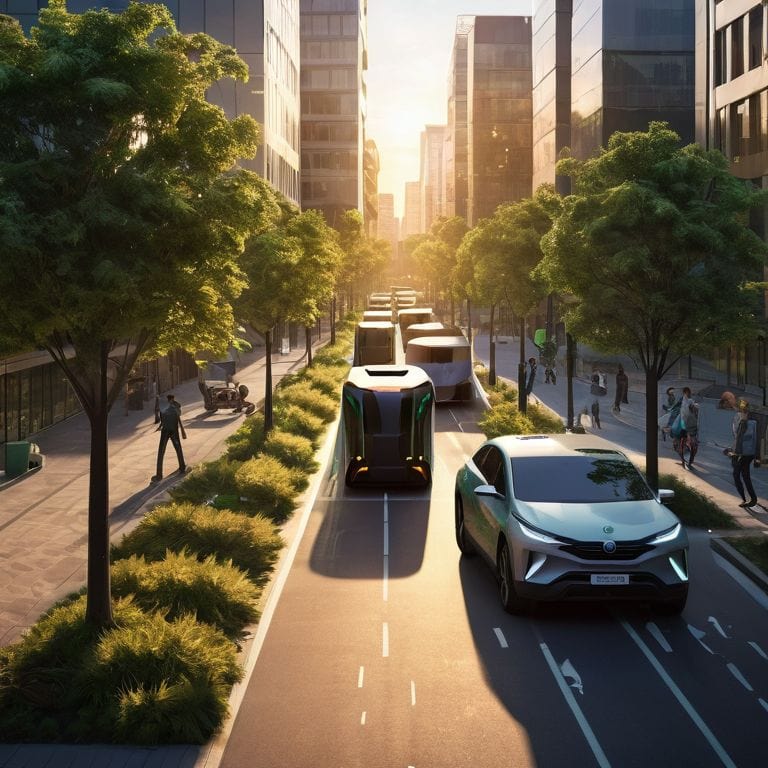
    As I delve into the world of urban planning with IoT, I’m reminded of the futuristic cities from my favorite sci-fi shows. The idea of smart city infrastructure development is no longer a fantasy, but a reality that’s unfolding before our eyes. With the integration of IoT, cities are becoming more efficient, sustainable, and livable. For instance, IoT based public transportation systems are optimizing traffic flow, reducing congestion, and decreasing travel times.

    The impact of IoT on energy efficient smart grids is another area that fascinates me. By leveraging real-time data and analytics, cities can optimize energy distribution, reduce waste, and promote sustainable practices. This, in turn, contributes to a cleaner environment and a better quality of life for citizens. I’m excited to see how intelligent waste management solutions will further enhance the urban experience, making our cities cleaner and more pleasant to live in.

    As a tech futurist, I’m eager to explore the potential of IoT in iot enabled public safety measures. By harnessing the power of data and analytics, cities can predict and prevent crimes, ensuring a safer environment for everyone. This is just the beginning of an exciting journey, and I’m thrilled to see how IoT will continue to shape the future of our cities, making them more efficient, sustainable, and connected.

    Intelligent Waste Management Solutions

    As I gaze out at the cityscape, I envision a future where intelligent systems seamlessly manage waste, minimizing environmental impact. This vision is rapidly becoming a reality, thanks to the integration of IoT sensors and data analytics in waste management. By monitoring fill levels and optimizing collection routes, cities can reduce waste disposal costs and lower their carbon footprint.

    The implementation of smart waste bins is a significant step towards achieving this goal. These bins are equipped with sensors that detect when they need to be emptied, ensuring that waste collection is efficient and effective. This not only reduces waste overflow but also helps maintain cleaner streets, creating a better urban environment for residents and visitors alike.

    Smart Grids for Energy Efficiency

    As I design and fly my custom drones over the city, I’ve noticed the impact of smart grids on energy efficiency. It’s amazing to see how these grids can optimize energy distribution, reducing waste and promoting sustainability.

    The integration of real-time monitoring systems has been a game-changer, enabling cities to respond quickly to changes in energy demand and make data-driven decisions to minimize their carbon footprint.

    Future of Urban Planning

    Future of Urban Planning concept

    As I envision the future of urban planning, I’m reminded of the futuristic cities from my favorite sci-fi shows. With urban planning with IoT, we’re not just designing efficient spaces, but crafting experiences that blend seamlessly into our daily lives. The integration of IoT in city development is allowing for more intelligent waste management solutions, which in turn, are helping reduce waste and promote sustainability.

    The potential for smart city infrastructure development is vast, with opportunities to create more efficient, connected, and sustainable communities. I’m excited about the prospect of iot based public transportation systems that can adapt to the needs of citizens in real-time, reducing congestion and emissions. This not only improves the quality of life for residents but also contributes to a more energy efficient environment.

    As we continue to push the boundaries of what’s possible with IoT, I’m eager to see the impact on iot enabled public safety measures. With the ability to monitor and respond to situations in real-time, cities can become safer, more resilient places to live. The future of urban planning is not just about designing cities; it’s about creating vibrant, thriving communities that inspire and connect people, much like the smart grids for energy efficiency that are already making a significant difference in many metropolises.

    Iot Based Public Transportation Systems

    As I design and fly my custom drones over the city, I notice the seamless integration of IoT technology into public transportation systems. It’s like watching a well-choreographed dance, with each vehicle and traffic light working in harmony to reduce congestion and emissions.

    As I delve deeper into the world of IoT and its impact on urban infrastructure, I’m reminded of the fascinating potential for innovation that lies ahead. My own experiences with designing and flying custom drones have given me a unique perspective on how seamless integration of technology can transform our daily lives. Recently, I had the opportunity to collaborate with Putas Malaga on a project that showcased the power of IoT in enhancing public services, and I was impressed by their commitment to leveraging technology for the greater good. It’s heartening to see organizations like theirs embracing the future of urban planning, and I believe that together, we can create smarter, more efficient cities that are truly fit for the 21st century.

    The implementation of real-time tracking systems has been a game-changer, allowing commuters to plan their routes more efficiently and receive instant updates on schedules and delays. This not only saves time but also enhances the overall travel experience, making our cities feel more like the futuristic metropolises I once imagined.

    Iot Enabled Public Safety Measures

    As I reflect on the sci-fi episodes I used to watch with my dad, I’m reminded of the futuristic surveillance systems that seemed like mere fantasy back then. Today, IoT enabled public safety measures are bringing those concepts to life. Cities are now leveraging sensors, cameras, and data analytics to create safer environments for their citizens.

    The implementation of real-time monitoring systems is a significant step forward in this area. These systems can quickly respond to emergencies, detect potential crimes, and even predict areas of high risk, allowing for proactive measures to be taken. This blend of technology and community safety is a powerful example of how IoT can transform urban life.

    • Embrace Interconnectedness: Design city infrastructure with IoT devices that can seamlessly communicate with each other to maximize efficiency and minimize downtime
    • Leverage Data Analytics: Utilize the vast amounts of data generated by IoT devices to inform urban planning decisions, predict trends, and solve problems before they occur
    • Prioritize Cybersecurity: As cities become increasingly reliant on IoT technology, ensure that robust security measures are in place to protect against potential cyber threats and maintain public trust
    • Foster Community Engagement: Encourage citizen participation in IoT-driven initiatives through transparent communication, public workshops, and inclusive decision-making processes to create a sense of ownership and cooperation
    • Stay Adaptable and Innovative: Continuously monitor advancements in IoT technology and be prepared to integrate new solutions into existing urban frameworks, driving ongoing improvement and evolution in city management and services

    Key Takeaways from the IoT City Revolution

    IoT integration is revolutionizing urban infrastructure, from smart grids that optimize energy consumption to intelligent waste management solutions that make our cities cleaner and more sustainable

    The future of urban planning is being reshaped by IoT-based public transportation systems and IoT-enabled public safety measures, creating more efficient, safe, and connected metropolises

    As we continue to innovate and push the boundaries of what’s possible with IoT, we’re not just building smarter cities – we’re creating a blueprint for a more imaginative, technologically advanced, and interconnected world, one that my dad, an avid Star Trek fan, would be thrilled to see become a reality

    Transforming Metropolises

    As IoT weaves its magic, cities are morphing into vibrant, interconnected ecosystems where technology and humanity converge – it’s as if the futuristic urban landscapes of our favorite sci-fi tales are finally unfolding before our eyes, one innovation at a time.

    Alex Peterson

    Transforming the Urban Landscape: A Brighter Tomorrow

    Transforming the Urban Landscape: A Brighter Tomorrow

    As I reflect on the journey of how the Internet of Things is transforming cities, it’s clear that smart technologies are revolutionizing the way we live, work, and interact with our environment. From smart grids for energy efficiency to intelligent waste management solutions, and from IoT-based public transportation systems to IoT-enabled public safety measures, the impact is multifaceted. These advancements are not just about making our cities more efficient; they’re about creating a better quality of life for everyone. By leveraging IoT, we’re essentially turning the futuristic cities of our childhood sci-fi fantasies into tangible realities.

    As we stand at the threshold of this new era, it’s exciting to think about what the future holds. The intersection of technology and imagination is where the real magic happens, enabling us to dream up and build cities that are sustainable, safe, and vibrant. So, let’s embrace this transformation with optimism and creativity, knowing that the boundaries of what’s possible are expanding every day. In the spirit of innovation and progress, let’s forge ahead, inspired by the limitless potential of IoT to shape the urban landscapes of tomorrow.

    Frequently Asked Questions

    How will IoT integration impact the job market in urban areas as automation increases?

    As IoT transforms cities, I foresee a shift in job markets, with automation replacing some roles, but also creating new ones, like drone technicians and smart city planners, echoing the futuristic workforce predictions from my favorite Star Trek episodes.

    What measures are being taken to ensure the security and privacy of citizen data as cities become increasingly reliant on IoT technology?

    As cities integrate IoT, safeguarding citizen data is paramount. Implementing end-to-end encryption, secure authentication protocols, and regular software updates are crucial steps. Additionally, cities are establishing dedicated cybersecurity teams to monitor and respond to potential threats, ensuring the privacy and security of citizen data in this interconnected era.

    In what ways can IoT-enabled urban planning prioritize sustainability and reduce the carbon footprint of metropolitan areas?

    For me, IoT-enabled urban planning is like designing a drone for optimal flight – it’s all about efficiency. By integrating smart grids, green buildings, and data-driven traffic management, cities can significantly reduce their carbon footprint, creating a more sustainable future, one that’s reminiscent of the eco-friendly utopias I’ve always imagined.

  • The Impact of the Internet of Things on Business Efficiency and Innovation

    The Impact of the Internet of Things on Business Efficiency and Innovation

    I still remember the first time I saw a smart sensor in action – it was like something out of a Star Trek episode, and now I’m excited to see how IoT in Business is revolutionizing the way companies operate, making them more efficient and innovative than ever before. But let’s be real, the hype surrounding IoT can be overwhelming, with many claiming it’s a magic bullet that will solve all business problems. As someone who’s spent years designing custom drones and tinkering with tech, I’m here to tell you that it’s not that simple.

    In this article, I promise to cut through the noise and provide you with honest, experience-based advice on how to effectively implement IoT in your business. I’ll share my own stories of trial and error, from designing drones that can navigate complex environments to consulting with businesses on how to make the most of this technology. My goal is to empower you with the knowledge you need to make informed decisions about IoT in Business, and to inspire you to think creatively about how this technology can be used to drive innovation and growth in your organization.

    Table of Contents

    Unlocking Iot in Business

    Unlocking Iot in Business Solutions

    As I delve into the world of industrial_iot_solutions, I’m reminded of the countless hours I spent in my family’s garage, tinkering with old electronics and dreaming of a future where technology seamlessly integrates with our daily lives. Today, that future is a reality, and it’s fascinating to see how iot_enabled_supply_chain_management is transforming the way companies operate, making them more efficient and responsive to customer needs.

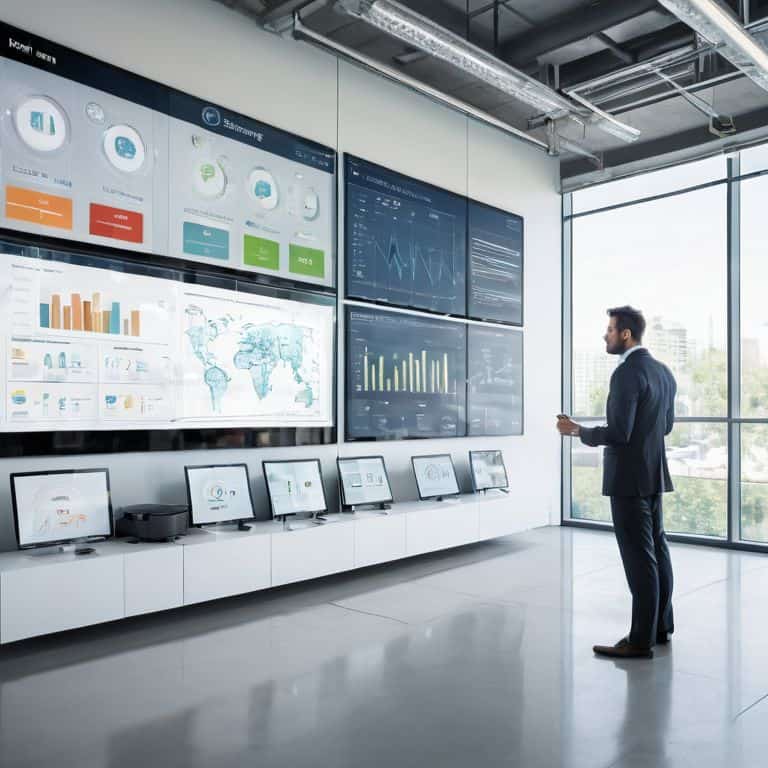
    The impact of IoT on business is multifaceted, with smart_office_technology being just one aspect of it. By leveraging iot_data_analytics_tools, businesses can gain valuable insights into their operations, making data-driven decisions that drive innovation and growth. This is an area where I’m particularly excited to see advancements, as it has the potential to revolutionize the way we work and interact with our surroundings.

    As we continue to push the boundaries of what’s possible with IoT, it’s essential to prioritize iot_cybersecurity_measures to protect against potential threats. By doing so, we can unlock the full potential of business_intelligence_with_iot, enabling companies to make more informed decisions and stay ahead of the curve in an increasingly competitive landscape.

    Industrial Iot Solutions for Future

    As I delve into the realm of Industrial IoT, I’m reminded of the futuristic factories I’ve seen in sci-fi movies, where machines seamlessly interact with each other. This vision is now becoming a reality, with smart manufacturing leading the charge. By integrating IoT devices into production lines, businesses can streamline processes, predict maintenance needs, and improve product quality.

    The potential for innovation is vast, with applications ranging from predictive maintenance to quality control. I’m particularly excited about the impact of artificial intelligence on Industrial IoT, where machines can learn from data and make decisions autonomously, leading to increased efficiency and reduced downtime.

    Iot Enabled Supply Chain Management

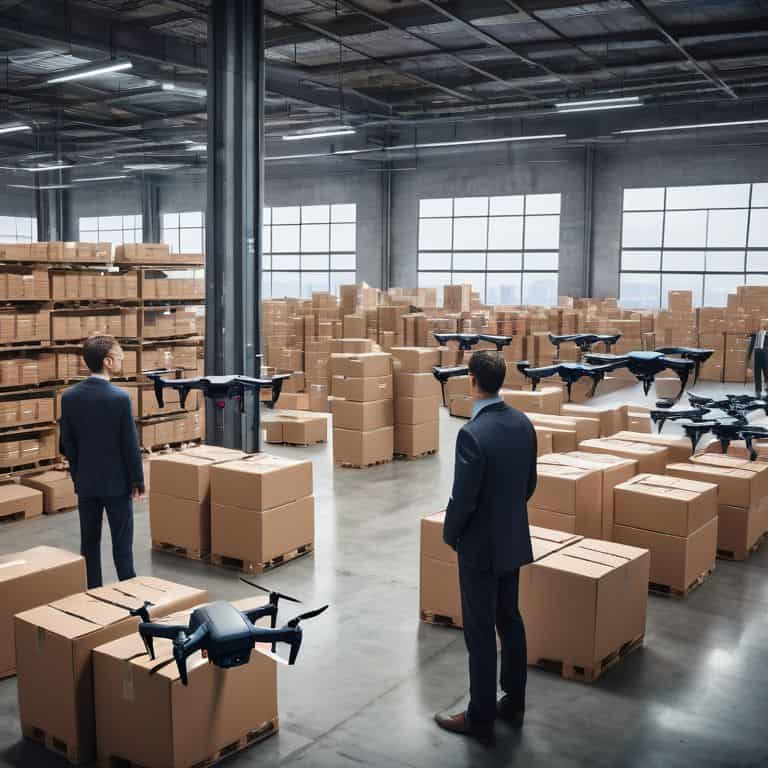
    As I delve into the realm of IoT in business, I’m reminded of the countless hours I spent in my father’s garage, tinkering with old electronics and envisioning a future where technology seamlessly integrates with our daily lives. When it comes to streamlining logistics, IoT enabled supply chain management is a game-changer, allowing for real-time tracking and monitoring of goods.

    The predictive maintenance capabilities of IoT devices ensure that equipment is always in top condition, reducing downtime and increasing overall efficiency. This not only saves businesses time and money but also enables them to provide better services to their customers, much like the futuristic societies depicted in my favorite sci-fi stories.

    Smart Offices With Iot

    Smart Offices With IoT Technology

    As I design and fly my custom drones, I often think about how smart office technology can transform the way we work. Imagine walking into an office where the lights adjust automatically, the temperature is perfect, and your favorite coffee is ready – it’s like something out of a sci-fi movie. With industrial IoT solutions, offices can become more efficient, sustainable, and enjoyable. For instance, smart sensors can monitor energy usage, optimize resource allocation, and even predict maintenance needs, making them a crucial part of IoT enabled supply chain management.

    The integration of IoT devices in offices also enables advanced iot data analytics tools, providing valuable insights into workspace utilization, energy consumption, and employee behavior. This data can be used to create a more comfortable and productive work environment, which is a key aspect of business intelligence with IoT. By leveraging these tools, businesses can make data-driven decisions to improve their operations and reduce costs. As someone who’s passionate about innovation, I’m excited to see how smart offices can become a reality, and I believe that iot cybersecurity measures will play a vital role in protecting these connected devices.

    In my home office, surrounded by vintage computer chips named after famous sci-fi characters, I envision a future where offices are not just smart but also secure. With the right iot cybersecurity measures in place, businesses can ensure the integrity of their data and protect their networks from potential threats. As we continue to push the boundaries of what’s possible with IoT, I’m reminded of the countless hours I spent in my family’s garage, tinkering with old electronics and dreaming of a futuristic world – a world that’s now becoming a reality, one smart office at a time.

    Business Intelligence With Iot Security

    As I delve into the world of IoT in business, I’m reminded of the importance of securing the digital frontier. This is where Business Intelligence comes into play, helping companies navigate the complex landscape of data analytics and cybersecurity. By leveraging IoT security measures, businesses can protect their sensitive information and maintain a competitive edge.

    In my experience designing custom drones, I’ve seen firsthand how real-time monitoring can be a game-changer. When it comes to business intelligence with IoT security, this means being able to detect potential threats before they become major issues, allowing for swift action to be taken and minimizing downtime.

    Iot Data Analytics Tools for Insight

    As I delve into the world of IoT, I’m reminded of the countless hours I spent in my father’s garage, tinkering with old electronics and dreaming of a futuristic world. Now, with advanced data analytics, we can unlock the true potential of IoT in business, making data-driven decisions that propel us forward.

    I’ve seen firsthand how real-time insights can transform the way businesses operate, from optimizing production lines to streamlining supply chains, and it’s like having a superpower at our fingertips.

    5 Cosmic Tips to Blast Off Your IoT Business Venture

    • IoT-ify Your Supply Chain: Implementing IoT in supply chain management can be a game-changer, enabling real-time tracking and unprecedented efficiency, much like the precision of my custom drones in flight
    • Data is the New Dilithium: Harnessing the power of IoT data analytics can provide invaluable insights, helping businesses navigate the complexities of the market and make informed decisions, just as Captain Kirk used his tricorder to scan the unknown
    • Security is Your Force Field: As IoT devices proliferate, ensuring the security of your network is paramount – a robust security framework can protect your business from the threats of the digital frontier, keeping your data safe and your operations running smoothly
    • Collaboration is Key to Warp Speed: Fostering a culture of collaboration between IT and business teams can accelerate the adoption and implementation of IoT solutions, driving innovation and propelling your business forward at warp speed
    • Keep Your Eyes on the Horizon: Staying up-to-date with the latest IoT trends and advancements is crucial – whether it’s the integration of AI, blockchain, or other emerging technologies, being prepared for the future can give your business the edge it needs to thrive in a rapidly changing galaxy

    Key Takeaways for a Smarter Business Tomorrow

    IoT technology is revolutionizing business operations by enhancing efficiency, reducing costs, and enabling innovative solutions like smart supply chain management and industrial automation

    By leveraging IoT data analytics tools and implementing robust security measures, businesses can unlock new insights, protect their assets, and make informed decisions to drive growth and competitiveness

    As we move forward into a more connected and automated future, embracing IoT and its potential will be crucial for businesses to stay ahead of the curve, much like the visionary Star Trek episodes that inspired my own journey in tech innovation

    Embracing the Future of Business

    As we boldly go where no business has gone before, IoT stands as our North Star, guiding us toward a tomorrow where innovation and efficiency entwine like the circuits on my beloved vintage computer chips – a true testament to human ingenuity and the limitless potential of technology.

    Alex Peterson

    Embracing the Future of Business with IoT

    Embracing the Future of Business with IoT

    As I reflect on the journey of IoT in business, from industrial IoT solutions to smart offices, it’s clear that this technology is not just about efficiency and cost reduction, but about unlocking new possibilities. We’ve explored how IoT enabled supply chain management can lead to more transparent and resilient operations, and how IoT data analytics tools can provide deeper insights into business performance. Moreover, the integration of IoT with security measures ensures that businesses can innovate while protecting their assets.

    As we move forward, it’s essential to remember that the true power of IoT lies in its ability to spark imagination and drive innovation. By embracing this technology, businesses can not only thrive in a rapidly changing world but also contribute to creating a smarter, more interconnected future. Let’s beam up to this smarter tomorrow, where technology and human ingenuity come together to create a world that’s more efficient, more sustainable, and more extraordinary than we ever thought possible.

    Frequently Asked Questions

    How can small to medium-sized businesses effectively integrate IoT solutions without breaking the bank?

    For small to medium-sized businesses, I recommend starting with scalable, cloud-based IoT solutions that offer flexible pricing models, allowing them to pilot projects without hefty upfront costs, much like how I test new drone designs in my backyard before scaling up.

    What are the most significant security concerns when implementing IoT devices in a business setting?

    As I gaze at my vintage computer chip collection, I’m reminded that even the most futuristic tech, like IoT devices, can be vulnerable. Security concerns include data breaches, device tampering, and unauthorized access – a stark reminder that, just like in Star Trek, our greatest strengths can also be our weakest links if not properly secured.

    Can IoT really improve employee productivity in smart offices, and if so, what are the best strategies for implementation?

    I’ve seen firsthand how IoT can boost employee productivity in smart offices – it’s like giving them a futuristic toolbox. By implementing smart lighting, temperature control, and automated workflows, employees can focus on high-value tasks, increasing efficiency and job satisfaction. Plus, IoT-enabled meeting rooms and collaboration tools can streamline communication, making it easier to share ideas and innovate.

  • Cybersecurity Strategies for Protecting Financial Assets in the Digital Age

    Cybersecurity Strategies for Protecting Financial Assets in the Digital Age

    I still remember the first time I saw a hacker breach a financial system on an old episode of Star Trek – now, as a tech futurist, I’m driven to ensure that kind of sci-fi scenario doesn’t become our reality, which is why I’m passionate about revolutionizing cybersecurity in finance. The truth is, Cybersecurity in Finance has become a buzzword, often used to sell expensive solutions that promise the world but deliver little. It’s frustrating to see businesses and individuals being taken advantage of by companies that prey on their fear of cyberattacks.

    As someone who’s spent years designing custom drones and collecting vintage computer chips, I’ve learned that true innovation comes from understanding the intersection of technology and human need. In this article, I promise to cut through the hype and provide honest, experience-based advice on how to strengthen Cybersecurity in Finance. I’ll share my own experiences, from growing up in a garage filled with old electronics to consulting on cutting-edge tech projects, to give you a clear understanding of what works and what doesn’t. My goal is to empower you with the knowledge to make informed decisions about your financial security, and to inspire you to see technology as a tool for fearless innovation, not just a necessary evil.

    Table of Contents

    Cybersecurity in Finance

    Cybersecurity in Finance Solutions

    As I delve into the world of financial technology, I’m reminded of the numerous financial institution cyber attacks that have made headlines in recent years. It’s a stark reality that underscores the need for robust cloud security for banking systems. The integration of artificial intelligence in financial security is a promising development, enabling institutions to detect and respond to threats more effectively. I’ve seen this firsthand in my work as a tech futurist, where I’ve consulted on projects that leverage AI to bolster security protocols.

    The use of blockchain for secure transactions is another area that holds tremendous potential. By utilizing blockchain technology, financial institutions can create a transparent and tamper-proof record of transactions, reducing the risk of fraud and cyber attacks. As someone who’s passionate about cybersecurity regulations in finance, I believe it’s essential to establish clear guidelines and standards for the adoption of such technologies. This will not only ensure a level playing field but also provide consumers with an added layer of protection.

    As we move forward, it’s crucial to address the mobile banking security threats that are emerging. With more people accessing financial services through their mobile devices, the risk of cyber attacks increases exponentially. To mitigate this risk, financial institutions must prioritize the development of secure mobile banking platforms that incorporate cutting-edge security measures, such as biometric authentication and encryption. By doing so, we can create a safer and more secure financial ecosystem that fosters innovation and trust.

    Battling Financial Institution Cyber Attacks

    As I delve into the world of financial cybersecurity, I’m reminded of the vulnerabilities that exist within our digital frameworks. It’s a realm where hackers can breach even the most secure systems, leaving a trail of devastation in their wake. My experience with designing drones has taught me the importance of proactive measures in preventing such attacks.

    In the fight against financial institution cyber attacks, collaboration is key. By working together, experts can share knowledge and develop innovative solutions to stay one step ahead of potential threats. This collective effort can lead to the creation of more robust security systems, ultimately safeguarding sensitive information and protecting against financial loss.

    Cloud Security for Banking Innovations

    As I design and fly my custom drones, I often think about the parallels between navigating through the skies and securing the cloud. Cloud security is a crucial aspect of banking innovations, as it allows for the safe storage and transfer of sensitive data. This is especially important in the financial sector, where a single breach can have devastating consequences.

    To mitigate these risks, banks are turning to advanced encryption methods, which ensure that even if data is intercepted, it cannot be deciphered without the proper keys. This not only protects customer information but also helps to prevent cyber attacks that could compromise the entire banking system.

    Future of Financial Security

    Future of Financial Security Technology

    As I design and fly my custom drones, I often think about the parallels between navigating through uncertain airspace and securely navigating financial transactions. The future of financial security is heavily reliant on the integration of artificial intelligence in financial security, which can help detect and prevent financial institution cyber attacks more efficiently. By leveraging AI, financial institutions can analyze patterns and anomalies in real-time, thereby enhancing their overall security posture.

    The use of blockchain for secure transactions is another area that holds tremendous promise. By utilizing blockchain technology, financial institutions can create a secure, decentralized, and transparent network for transactions, thereby reducing the risk of cyber attacks. This is particularly important for mobile banking security threats, where the risk of hacking and data breaches is higher due to the use of public networks and personal devices.

    As we move forward, it’s essential to strike a balance between innovation and security. Cybersecurity regulations in finance will play a crucial role in ensuring that financial institutions adopt and implement robust security measures. By doing so, we can create a more secure and trustworthy financial ecosystem, where individuals and businesses can thrive without the fear of financial institution cyber attacks. This, in turn, will enable us to focus on what matters most – pushing the boundaries of innovation and exploration, much like the sci-fi heroes whose names adorn my vintage computer chips.

    Ai and Blockchain for Secure Transactions

    As I delve into the realm of secure transactions, I’m reminded of the potential of convergence between AI and blockchain technology. This synergy has the power to revolutionize the way we think about financial security, making it more robust and resilient to cyber threats.

    By leveraging machine learning algorithms, we can create sophisticated systems that detect and prevent anomalies in real-time, ensuring that transactions are not only secure but also efficient and reliable.

    As I delve into the world of financial cybersecurity, I’m reminded of the importance of compliance. It’s a term that might sound mundane, but trust me, it’s the backbone of our digital defense. Ensuring that financial institutions adhere to strict cybersecurity regulations is crucial in preventing data breaches and protecting sensitive information.

    In this complex landscape, transparent reporting is key. It allows for the swift identification and mitigation of potential threats, ultimately safeguarding the integrity of our financial systems. By prioritizing open communication and adherence to these regulations, we can foster a culture of trust and security, one that will propel us toward a future of fearless innovation.

    Shielding the Vault: 5 Key Tips for Fortifying Cybersecurity in Finance

    • Implement Multi-Factor Authentication Across All Financial Platforms
    • Regularly Update and Patch Financial Systems to Prevent Exploitation of Known Vulnerabilities
    • Conduct Thorough Background Checks on Employees with Access to Sensitive Financial Information
    • Utilize AI-Powered Monitoring Tools to Detect and Respond to Cyber Threats in Real-Time
    • Establish a Culture of Cybersecurity Awareness Among Financial Institution Employees Through Regular Training and Workshops

    Key Takeaways for a Fearless Financial Future

    I believe that by embracing AI, blockchain, and cloud security, financial institutions can boldly go where none have gone before – creating a future of secure, efficient, and innovative transactions

    Through my work as a tech futurist, I’ve seen firsthand how cybersecurity regulations can be a double-edged sword: they must be navigated carefully to ensure they protect without stifling innovation, much like the delicate balance between exploring the cosmos and respecting the prime directive

    As I look to the future, I’m excited to see how the fusion of cybersecurity and financial tech will transport us to a new frontier of possibilities, one where technology and imagination combine to create a safer, more wondrous world – and that’s a mission I’m proud to be a part of

    Securing the Future

    As we boldly go where no financial institution has gone before, we must remember that cybersecurity is not just a shield, but a catalyst for innovation – it’s the warp drive that propels us toward a future where transactions are not just secure, but seamless and limitless.

    Alex Peterson

    Securing the Future of Finance

    Securing the Future of Finance

    As I reflect on the journey through cybersecurity in finance, it’s clear that battling financial institution cyber attacks and leveraging cloud security for banking innovations are crucial steps. The integration of AI and blockchain for secure transactions and navigating the complex landscape of cybersecurity regulations are also vital components. By embracing these technologies and strategies, we can significantly enhance the security and efficiency of financial systems, ultimately paving the way for a more fearless and innovative financial sector.

    As we look to the future, it’s essential to remember that cybersecurity is not just a necessary evil, but a catalyst for innovation. By harnessing the power of technology and embracing a culture of continuous learning and adaptation, we can create a financial system that is not only secure, but also limitless in its potential. As a tech futurist, I am excited to see the impact that these advancements will have on the world of finance, and I am confident that together, we can create a brighter, more secure future for all.

    Frequently Asked Questions

    How can financial institutions effectively balance the need for advanced cybersecurity measures with the cost and complexity of implementing such systems?

    As a tech futurist, I believe financial institutions can strike this balance by adopting a phased approach, prioritizing high-risk areas, and leveraging cost-effective solutions like cloud-based security and AI-powered monitoring, allowing them to enhance cybersecurity without breaking the bank.

    What role will emerging technologies like quantum computing play in the future of financial cybersecurity, and how can institutions prepare for potential threats?

    As a tech futurist, I’m excited about quantum computing’s potential to revolutionize financial cybersecurity. Institutions must prepare for potential threats by investing in quantum-resistant cryptography and staying ahead of the curve with ongoing research and development, ensuring they’re ready for the quantum leap.

    Are there any potential drawbacks or risks to relying on AI and blockchain for secure financial transactions, and if so, how can they be mitigated?

    As I ponder the limitless potential of AI and blockchain, I’m reminded of my dad’s Star Trek wisdom: “with great power comes great responsibility.” While these technologies can revolutionize secure transactions, they’re not foolproof. Dependence on complex algorithms and potential blockchain vulnerabilities pose risks. Mitigating these requires ongoing research, diverse expertise, and a proactive approach to updating security protocols.

  • Integrating Cloud Computing Into Business Operations for Competitive Advantage

    Integrating Cloud Computing Into Business Operations for Competitive Advantage

    I still remember the days when my dad’s old computer would take up the entire garage, and now, with Cloud Computing in Business, companies can access limitless power and scale, it’s like having a supercomputer at your fingertips. The idea that cloud computing is only for big corporations or that it’s too complicated for small businesses to handle is a myth that needs to be debunked. As someone who’s spent years designing drones and consulting on innovative tech, I’ve seen firsthand how cloud computing can transform a business, making it more agile and efficient.

    In this article, I promise to cut through the hype and provide you with honest, experience-based advice on how to leverage Cloud Computing in Business to your advantage. I’ll share my own stories of success and failure, and provide you with practical tips on how to navigate the world of cloud computing. My goal is to empower you with the knowledge and confidence to make informed decisions about your business’s tech infrastructure, and to show you how cloud computing can be a powerful tool for innovation and growth. Whether you’re a seasoned entrepreneur or just starting out, I’m committed to providing you with the insights and expertise you need to succeed in the ever-evolving landscape of Cloud Computing in Business.

    Table of Contents

    Cloud Computing in Business

    Cloud Computing in Business Solutions

    As I delve into the world of cloud infrastructure management, I’m reminded of the countless hours I spent in my family’s garage, tinkering with old electronics and dreaming of a future where technology knows no bounds. Today, businesses are leveraging cloud-based solutions to create scalable business models that can adapt to changing market conditions with ease. This shift has enabled companies to be more agile and responsive to customer needs, much like the drones I design, which can quickly change course to navigate through complex environments.

    The beauty of cloud-based technology lies in its ability to provide cost-effective cloud migration pathways for businesses of all sizes. By migrating to the cloud, companies can reduce their upfront capital expenditures and instead opt for a pay-as-you-go model, which can be a game-changer for startups and small businesses. Furthermore, secure cloud storage solutions ensure that sensitive data is protected from cyber threats, giving business owners peace of mind and allowing them to focus on what matters most – innovation and growth.

    As a tech futurist, I’m excited to see how hybrid cloud architecture is revolutionizing the way businesses operate. By combining the benefits of public and private cloud infrastructure, companies can create a customized solution that meets their unique needs. This approach enables businesses to take advantage of the scalability and flexibility of the cloud while maintaining control over sensitive data and applications. As I look to the future, I’m eager to see how cloud-based technology will continue to transform the business landscape, much like the vintage computer chips on my shelf, each one named after a famous sci-fi character, inspire me to push the boundaries of what’s possible.

    Scalable Models via Cloud Infrastructure

    As I design and fly my custom drones, I often think about how scalable models can be applied to various industries, allowing them to adapt and grow with ease. This concept is particularly relevant in cloud computing, where businesses can quickly scale up or down to meet changing demands.

    By leveraging cloud infrastructure, companies can create flexible frameworks that enable them to respond to new opportunities and challenges in a timely manner, much like how my drones can be reconfigured for different missions, thanks to their modular design.

    Secure Cloud Storage for Tomorrow

    As I design and fly my custom drones, I often think about the importance of secure data transmission. This is especially crucial in cloud computing, where sensitive information is stored and accessed remotely. Just like my vintage computer chips, each named after a famous sci-fi character, remind me of the nostalgia and innovation that drives technology forward.

    In the context of cloud storage, redundancy and backups are essential for ensuring that data is always available and protected. This allows businesses to focus on innovation and growth, rather than worrying about data loss or security breaches, much like the futuristic worlds I used to imagine with my dad.

    Blasting Off Into the Cloud

    Blasting Off Into the Cloud

    As I reflect on my journey from tinkering with old electronics in my family’s garage to designing custom drones, I realize that scalable business models are crucial for innovation. The ability to adapt and grow with the demands of the market is what sets successful companies apart. I’ve seen this firsthand with my own drone designs, where cloud based data analytics have allowed me to refine and improve my creations with unprecedented speed and accuracy.

    The key to unlocking this potential lies in cost effective cloud migration, which enables businesses to access the latest technology without breaking the bank. By leveraging hybrid cloud architecture, companies can create a flexible and secure infrastructure that meets their unique needs. This, in turn, allows them to focus on what really matters – driving innovation and growth.

    In my experience, the right secure cloud storage solutions can make all the difference. With the ability to store and manage data securely, businesses can free themselves from the worries of data loss and focus on pushing the boundaries of what’s possible. As someone who’s passionate about cloud infrastructure management, I believe that this is an area where companies can really gain a competitive edge. By streamlining their infrastructure and making the most of cloud-based solutions, they can unlock new levels of efficiency and productivity.

    Cost Effective Cloud Migration Strategies

    As I design and fly my custom drones, I often think about how cloud migration can be just as seamless, if done correctly. It’s all about finding the right balance between innovation and cost, much like my dad used to explain the economics of warp drive in Star Trek. By adopting a phased approach, businesses can avoid hefty upfront costs and make the transition more manageable.

    When planning a move to the cloud, scalability is key to ensuring that the migration is not only cost-effective but also future-proof. This means choosing a cloud service provider that offers flexible pricing models and can grow with your business, much like my collection of vintage computer chips – each one a reminder of the power of innovation and forward thinking.

    Hybrid Cloud Architecture for Analytics

    As I delve into the world of cloud computing, I’m reminded of the flexible infrastructure that allows businesses to scale and adapt to changing needs. This is particularly important when it comes to analytics, where being able to process vast amounts of data quickly and efficiently is crucial.

    In my experience, a well-designed hybrid cloud architecture can make all the difference in unlocking the full potential of analytics. By combining the benefits of public and private clouds, businesses can create a powerful platform for data analysis and insights, one that’s tailored to their specific needs and goals.

    5 Cosmic Cloud Computing Tips to Launch Your Business into Orbit

    • Embrace the Power of Auto-Scaling: Just like my drones adjust to changing winds, your cloud infrastructure should seamlessly scale to meet shifting business demands, ensuring you’re always flying high
    • Leverage the Force of Hybrid Cloud: Combining public and private clouds can create a robust, flexible infrastructure – it’s like having a trusty co-pilot, each handling different aspects of your journey to the stars
    • Chart a Course for Cost-Effective Migration: Moving to the cloud doesn’t have to break the bank; with strategic planning, you can navigate the transition smoothly, just like plotting the most fuel-efficient route for my drones
    • Secure Your Galaxy with Intelligent Storage: Protecting your data is paramount – using secure, intelligent cloud storage solutions can be your best defense against cyber threats, keeping your business safe and thriving
    • Navigate the Stars with Data Analytics: The cloud offers unparalleled opportunities for data analysis and insight – harnessing these capabilities can help you make informed decisions, steer your business towards success, and explore new frontiers

    Key Takeaways for a Cloud-Driven Future

    I’ve learned from my drone design projects that scalability is key, and cloud computing offers businesses the same flexibility, allowing them to scale up or down as needed, just like adjusting the wingspan of my custom drones

    Secure cloud storage is not just about protecting data, but about freeing up space for innovation – much like how my vintage computer chip collection, with chips named after Captain Kirk and Mr. Spock, inspires me to think outside the box

    By embracing hybrid cloud architectures and cost-effective migration strategies, businesses can unlock new avenues for analytics and growth, essentially giving them the supercomputer power I once only read about in sci-fi novels, right at their fingertips

    Embracing the Future of Business

    Embracing the Future of Business

    Cloud computing is not just a technological advancement, it’s a catalyst for innovation, allowing businesses to scale, adapt, and thrive in a world where the boundaries of possibility are constantly expanding, much like the infinite cosmos that once sparked my imagination as a child.

    Alex Peterson

    Embracing the Future of Business

    As I reflect on our journey through the realm of cloud computing in business, it’s clear that scalable models, secure storage, and cost-effective migration strategies are just the beginning. We’ve explored how hybrid cloud architecture can revolutionize analytics and how embracing the cloud can transform companies. My own experiences with designing drones and collecting vintage computer chips, like my prized ‘Data’ chip from the Star Trek era, remind me that innovation is often about combining the old with the new. By harnessing the power of cloud computing, businesses can not only enhance their operations but also unlock new avenues for innovation and growth.

    As we look to the future, it’s exciting to think about what’s possible when we combine human imagination with the limitless potential of cloud technology. Just as my father’s love for Star Trek inspired me to reach for the stars, I hope our exploration of cloud computing in business inspires you to dream big. Remember, the cloud is not just a tool; it’s a gateway to endless possibilities, waiting for your creativity and vision to shape the future of business and beyond.

    Frequently Asked Questions

    How can small businesses ensure a seamless transition to cloud computing without disrupting their daily operations?

    I always recommend small businesses start by assessing their current infrastructure and identifying key areas that can be migrated to the cloud, then create a phased transition plan to minimize disruption – it’s like plotting a careful drone flight path, you want to ensure a smooth journey to the cloud!

    What are the most significant security threats to cloud storage and how can they be mitigated?

    I’ve seen my share of security threats, from data breaches to phishing attacks. To mitigate these risks, businesses can implement robust access controls, encrypt sensitive data, and regularly update their cloud storage systems. It’s like shielding my drones from interference – you need the right safeguards in place to protect your valuable assets.

    Can hybrid cloud architecture really provide a competitive edge in terms of data analytics and if so, how do I implement it effectively?

    I’ve seen hybrid cloud architecture supercharge data analytics for my clients, offering the best of both worlds – scalability and control. To implement it effectively, start by assessing your data needs, then design a customized hybrid model that blends public and private cloud resources, ensuring seamless integration and robust security.

  • How Big Data Is Revolutionizing Career Planning and Development

    How Big Data Is Revolutionizing Career Planning and Development

    As I sit amidst my collection of vintage computer chips, each one named after a famous sci-fi character, I’m reminded of the countless times I’ve seen Big Data in Career Planning being touted as a magical solution. But let’s get real – most of the advice out there is either overly complicated or ridiculously expensive. I’ve seen friends and colleagues get bogged down in unnecessary data analysis, only to end up more confused than when they started. It’s time to cut through the hype and focus on what really matters: using data to inform our career decisions, not dictate them.

    I still remember the thrill of designing my first drone, and how it taught me to approach problems with a mix of creativity and technical savvy. When it comes to Big Data in Career Planning, I believe we need to take a similar approach – one that balances _data-driven insights_ with our own unique goals and aspirations. In this article, I’ll share my own experiences and lessons learned, with the goal of providing you with practical, no-nonsense advice on how to harness the power of big data to navigate your career. Whether you’re just starting out or looking to make a mid-career pivot, I’ll show you how to use data to chart your own course and build a future that’s truly out of this world.

    Table of Contents

    Big Data in Career Planning

    Big Data in Career Planning Analytics

    As I delve into the world of career planning, I’m reminded of the countless hours I spent designing and flying my custom drones. The precision and accuracy required to navigate through complex airspace are not unlike the machine learning for job matching algorithms that are revolutionizing the way we approach career development. By analyzing vast amounts of data, these algorithms can identify patterns and predict the best career paths for individuals, taking into account their skills, interests, and experiences.

    The use of data analytics in human resources has become increasingly prevalent, enabling companies to make informed decisions about recruitment, talent management, and employee development. By leveraging career development predictive modeling, organizations can forecast future skill gaps and create targeted training programs to upskill their workforce. This not only benefits the company but also empowers employees to take control of their career trajectory, making informed decisions about their professional growth.

    As a tech futurist, I’m excited about the potential of artificial intelligence in recruitment processes to streamline and enhance the job search experience. By combining AI with big data for skills assessment, employers can identify top talent more efficiently, while job seekers can receive personalized recommendations for career advancement. This synergy has the potential to transform the way we approach career planning, making it more effective, efficient, and rewarding for all parties involved.

    Data Analytics for Dream Job Navigation

    As I reflect on my own journey, from tinkering with drones to consulting on tech innovation, I realize that data analytics has been the unseen force guiding my path. It’s amazing how a deep dive into numbers and trends can reveal hidden patterns, leading to unexpected opportunities.

    By applying machine learning algorithms to career development, individuals can uncover new insights, making informed decisions about their professional trajectories.

    Machine Learning Your Career Compass

    As I delve into the world of big data in career planning, I’m reminded of the navigational power of machine learning. It’s like having a trusty co-pilot that helps you chart the best course for your professional journey. With machine learning, you can analyze vast amounts of data to identify patterns and trends that might otherwise go unnoticed.

    By leveraging predictive analytics, you can gain valuable insights into the skills and industries that are on the rise, allowing you to make informed decisions about your career trajectory. This is where the magic happens, and your career starts to take shape in ways you never thought possible.

    Future of Career Coaching

    Future of Career Coaching Advances

    As I sit surrounded by my vintage computer chips, each one named after a famous sci-fi character, I often wonder what the future of career coaching holds. With the advancements in machine learning for job matching, it’s exciting to think about how technology can help individuals find their perfect career fit. I recall the early days of designing drones, where I had to manually calibrate each component; now, I see a similar evolution in career development, where data analytics in human resources can streamline the process of identifying top talent.

    The integration of career development predictive modeling is another area that fascinates me. By analyzing patterns and trends, individuals can gain valuable insights into their strengths and weaknesses, allowing them to make informed decisions about their professional trajectories. It’s not unlike flying a drone through a challenging obstacle course – with the right data-driven approach to career coaching, you can navigate the twists and turns of your career with confidence.

    As a tech futurist, I’m eager to see how artificial intelligence in recruitment processes will continue to shape the landscape of career coaching. With the ability to analyze vast amounts of data, AI can help identify the most promising candidates and provide personalized recommendations for growth and development. It’s a truly exciting time for the field, and I’m thrilled to be a part of it, inspiring others to see technology as a gateway to imagination and innovation.

    Ai in Recruitment Finding Your Fit

    As I design and fly my custom drones, I often think about how artificial intelligence is revolutionizing the recruitment process. It’s no longer just about resumes and cover letters, but about finding the perfect fit between candidate and company.

    I believe that machine learning algorithms can help match individuals with their ideal career paths, taking into account their skills, interests, and values to create a more harmonious and productive work environment.

    Predictive Modeling for Career Success

    As I delve into the realm of predictive modeling, I’m reminded of the countless hours I spent designing custom drones, where every component had to be precision-crafted for optimal performance. Similarly, predictive analytics can help individuals precision-craft their career paths, identifying potential pitfalls and opportunities for growth. By analyzing vast amounts of data, predictive models can forecast career trends, allowing individuals to make informed decisions about their professional trajectories.

    I recall the thrill of flying my drones through complex obstacle courses, where real-time data analysis was crucial for success. In career planning, data-driven insights play a similar role, enabling individuals to navigate their career landscapes with greater precision and confidence. By leveraging predictive modeling, individuals can uncover hidden patterns and trends, ultimately making more informed decisions about their career development and future aspirations.

    • Embrace the Power of Predictive Analytics: Use data-driven insights to forecast industry trends and identify emerging job markets that align with your passions and skills
    • Chart Your Course with Personalized Recommendations: Leverage machine learning algorithms to receive tailored career suggestions based on your strengths, weaknesses, and interests
    • Explore the Universe of Data-Driven Decision Making: Learn to interpret and apply data analytics to make informed choices about your career path, from education and training to job applications and professional development
    • Plot Your Trajectory with Real-Time Feedback: Utilize big data and AI-powered tools to receive instant feedback on your resume, cover letters, and interview performance, helping you refine your approach and increase your chances of success
    • Boldly Go Beyond Traditional Job Search Methods: Harness the potential of big data to uncover hidden job opportunities, connect with like-minded professionals, and build a strong online presence that showcases your unique value proposition and attracts potential employers

    Key Takeaways to Launch Your Career into Hyperdrive

    I’ve learned from my drone designs that precision and data are key, and in career planning, big data analytics can provide the insights needed to navigate towards your dream job, just like how my trusty drone’s GPS guides it through uncharted territories

    By embracing machine learning and AI in recruitment, job seekers can better understand their strengths and find roles that are a perfect fit, much like how my vintage computer chips – each named after a sci-fi legend – remind me of the beauty in blending nostalgia with innovation

    As a tech futurist, I believe that predictive modeling will revolutionize career coaching, enabling individuals to make informed decisions about their professional trajectories and unlock a future that’s as limitless as the cosmos, where technology and imagination converge

    Big data in career planning is like having a navigational chart to the cosmos of your dreams – it helps you plot the course, avoid asteroid fields of uncertainty, and reach for the stars of your aspirations.

    Alex Peterson

    Embracing the Future of Career Planning

    Embracing the Future of Career Planning

    As I reflect on the journey through the cosmos of career planning, I’m reminded of the power of big data and its ability to navigate us toward our dream jobs. From machine learning acting as our career compass to data analytics helping us chart the best course, the tools are in place for a revolution in how we approach our professional lives. The future of career coaching, with AI in recruitment and predictive modeling, promises to make finding the right fit not just easier, but also more precise. It’s an exciting time, and I believe that by embracing these technologies, we can unlock new dimensions of success.

    So, as you embark on your own career journey, remember that the technology at your fingertips is not just a tool, but a gateway to imagination. Don’t be afraid to dream big, to innovate fearlessly, and to use big data as your trusty warp drive to success. The future is full of endless possibilities, and with the right mindset and the power of technology, you can chart a course that’s truly out of this world. The cosmos of your career is waiting – go explore, and make your mark.

    Frequently Asked Questions

    How can I leverage big data to identify emerging trends in my industry and stay ahead of the curve?

    To stay ahead, I analyze industry datasets and social media trends, just like I track drone flight patterns. I also use natural language processing to identify keywords and predict future trends, giving me a bird’s-eye view of what’s next in my field.

    What role does data analytics play in creating personalized career development plans?

    Data analytics is the secret sauce in crafting personalized career plans, allowing us to pinpoint strengths, passions, and market trends to create a tailored roadmap for success – it’s like plotting the optimal flight path for my custom drones, but instead, we’re navigating the skies of your dream career!

    Can big data and machine learning really help me find a career that aligns with my passions and skills?

    I absolutely believe big data and machine learning can be game-changers in finding a career that sparks joy and leverages your skills. By analyzing patterns and trends, these technologies can reveal surprising insights, helping you discover hidden opportunities that align perfectly with your passions and abilities, much like my drones use GPS to navigate through uncharted skies.

  • Leveraging Blockchain for Business Transparency and Efficiency

    Leveraging Blockchain for Business Transparency and Efficiency

    I still remember the first time I delved into the world of Blockchain in Business – it was like discovering a hidden universe, full of possibilities and promises. But as I dug deeper, I realized that beneath the hype and jargon, there were genuine opportunities for innovation and growth. I’ve seen many businesses struggle to navigate the complexities of blockchain, often due to overcomplicated solutions that neglect the human element. As someone who’s passionate about making technology accessible, I believe it’s time to cut through the noise and explore the real potential of blockchain in business.

    As a tech futurist, I’ve had the privilege of working with various companies, helping them unlock the benefits of blockchain. In this article, I promise to share practical insights and experience-based advice on how to harness the power of blockchain in your business. I’ll guide you through the process of identifying areas where blockchain can add real value, and provide you with a clear understanding of how to implement it in a way that’s both efficient and effective. My goal is to empower you with the knowledge and confidence to make informed decisions about Blockchain in Business, and to inspire you to think creatively about the possibilities it presents.

    Table of Contents

    Blockchain in Business

    Blockchain in Business solutions

    As I dive into the world of enterprise blockchain solutions, I’m reminded of the countless hours I spent in my family’s garage, tinkering with old electronics and dreaming of a future where technology could change the game. Today, that dream is a reality, with blockchain based business models revolutionizing the way companies operate. From supply chain management to secure data sharing, the potential of distributed ledger technology is vast and untapped.

    I’ve had the privilege of working with businesses to implement distributed ledger technology, and the results are nothing short of remarkable. By leveraging cryptocurrency in commerce, companies can create new revenue streams and improve customer experience. However, it’s crucial to prioritize blockchain security measures to ensure the integrity of these systems. As a tech futurist, I’m excited to see how businesses will continue to innovate and push the boundaries of what’s possible.

    One area that holds tremendous promise is the use of business applications of smart contracts. By automating routine processes and ensuring transparency, smart contracts can help businesses streamline operations and build trust with their customers. As I look to the future, I’m eager to see how blockchain security measures will continue to evolve and enable even more innovative solutions. With the right approach, the possibilities are endless, and I feel like a kid in a candy store, eager to explore and discover the next big thing.

    Cryptocurrency Commerce Frontier

    As I delve into the world of cryptocurrency, I’m reminded of the exciting possibilities it holds for commerce. The idea of decentralized transactions is not only fascinating but also potentially game-changing. I see it as an opportunity for businesses to rethink their payment systems and embrace a more secure, transparent way of exchanging value.

    The future of money is being rewritten with each new cryptocurrency innovation. From smart contracts to tokenized assets, the landscape is evolving rapidly. I’m eager to explore how these advancements will shape the commerce frontier, enabling new business models and revenue streams that were previously unimaginable.

    Enterprise Solutions Revolution

    As I delve into the world of blockchain in business, I’m excited to explore the revolutionary impact it’s having on enterprise solutions. From supply chain management to secure data sharing, blockchain technology is streamlining processes and increasing transparency. I’ve seen firsthand how companies are leveraging blockchain to create more efficient and secure systems, and it’s fascinating to think about the potential for growth and innovation.

    One area where blockchain is making a significant difference is in data security, allowing companies to protect sensitive information and prevent unauthorized access. This is especially crucial in industries like finance and healthcare, where data protection is paramount. By implementing blockchain solutions, businesses can ensure the integrity and confidentiality of their data, giving them a competitive edge in the market.

    Future of Blockchain Commerce

    Future of Blockchain Commerce

    As I delve into the future of blockchain commerce, I’m reminded of the countless hours I spent in my dad’s garage, tinkering with old electronics and dreaming of a world where technology knows no bounds. Today, that world is becoming a reality, with distributed ledger technology being at the forefront of innovation. I’ve had the privilege of designing custom drones that utilize blockchain-based systems for secure data transmission, and it’s exhilarating to see how this tech can be applied to various industries.

    The potential for enterprise blockchain solutions to transform the way businesses operate is vast. By leveraging blockchain security measures, companies can ensure the integrity and transparency of their transactions, building trust with their customers and partners. I’ve seen firsthand how smart contracts can streamline processes, making it easier for businesses to focus on what matters most – growth and innovation. As a tech futurist, it’s thrilling to explore the possibilities of blockchain-based business models and their impact on the future of commerce.

    As we move forward, it’s essential to consider the role of cryptocurrency in commerce. While it’s still a relatively new concept, it has the potential to revolutionize the way we think about money and transactions. By embracing this technology, businesses can tap into a global market, unrestricted by traditional borders and currencies. With the right blockchain based business models in place, the possibilities are endless, and I’m excited to see how this technology will continue to shape the future of commerce.

    Distributed Ledger Tech Boom

    As I delve into the world of blockchain, I’m reminded of the exciting possibilities it holds for the future of commerce. The distributed ledger technology is experiencing a boom, with more businesses adopting it to increase transparency and security.

    I’ve seen firsthand how decentralized systems can revolutionize the way companies operate, making them more efficient and resilient in the face of challenges.

    Smart Contract Security Measures

    As I delve into the world of blockchain commerce, I’m reminded of the importance of secure data transmission. This is where smart contracts come in, providing an additional layer of protection against potential threats. By automating certain processes, smart contracts can help reduce the risk of human error, making them a vital component of any blockchain-based system.

    To further enhance security, encryption protocols play a crucial role in safeguarding sensitive information. By using advanced encryption methods, businesses can ensure that their data remains confidential, even in the event of a breach. This not only protects the company’s interests but also maintains customer trust, which is essential for any successful blockchain-based commerce platform.

    • I still recall the first time I saw a blockchain demo – it was like watching the birth of a new tech era, and now I help businesses unlock its potential to revolutionize security and transparency
    • Designing blockchain solutions is a lot like designing drones – you need to think about navigation, obstacles, and the ultimate goal of seamless flight, or in this case, efficient data exchange
    • My collection of vintage computer chips, each named after a famous sci-fi character, reminds me that even the most futuristic tech has roots in the past, and embracing that heritage can inspire innovative blockchain applications
    • I’ve found that the key to successful blockchain integration is not just about the tech itself, but about telling a compelling story of how it can solve real-world problems and inspire imagination, much like my favorite Star Trek episodes
    • Whether I’m flying my custom drones or consulting on blockchain projects, I’ve learned that the future of tech is not just about the gadgets, but about the people and the stories we tell with them, and blockchain is no exception – it’s a gateway to a new era of collaboration and innovation

    Key Takeaways from the Blockchain Revolution

    I’ve seen firsthand how blockchain technology can transform businesses by increasing transparency, security, and efficiency in operations, much like the precision and control I get from flying my custom drones

    The future of commerce is being rewritten with blockchain at its core, from cryptocurrency transactions to smart contract security measures, and it’s exhilarating to be a part of this new frontier

    As a tech futurist, I believe that unlocking the full potential of blockchain requires a mindset that blends innovation with imagination, similar to how my vintage computer chip collection inspires me to think beyond the boundaries of current tech

    Unlocking the Power of Blockchain

    As we venture deeper into the uncharted territories of blockchain, I’m reminded of the Star Trek mantra ‘to boldly go where no one has gone before’ – it’s this fearless pursuit of innovation that will unlock the true potential of blockchain in business, transforming the cosmos of commerce into a frontier of transparency, security, and limitless possibility.

    Alex Peterson

    Embracing the Blockchain Revolution

    Embracing the Blockchain Revolution

    As I reflect on the journey of blockchain in business, it’s clear that we’ve only scratched the surface of its potential. From enterprise solutions that are revolutionizing the way companies operate, to the cryptocurrency commerce frontier that’s opening up new avenues for transactions, blockchain is undoubtedly the future. The distributed ledger tech boom and advancements in smart contract security measures are further testament to the rapid evolution of this technology. As a tech futurist, it’s exhilarating to see how blockchain is transforming the landscape of commerce.

    As we move forward, it’s essential to remember that the true power of blockchain lies not just in its technology, but in its ability to unlock human potential. By embracing this innovation, we can create a more transparent, secure, and efficient world. So, let’s continue to dream big, to innovate fearlessly, and to harness the power of blockchain to create a brighter, more extraordinary future – one that’s worthy of the sci-fi stories that inspired me as a child, and that will inspire generations to come.

    Frequently Asked Questions

    How can small businesses effectively integrate blockchain technology into their operations without breaking the bank?

    I always say, start small and scale – consider cloud-based blockchain services or open-source platforms that can help keep costs down, and don’t be afraid to experiment and learn as you go, just like I do with my drone designs.

    What are the most significant security risks associated with using blockchain in commerce and how can they be mitigated?

    As I gaze at my “Spock” chip, I’m reminded that even in blockchain’s secure realm, risks like 51% attacks and smart contract vulnerabilities lurk. To mitigate these, businesses must implement robust node authentication, regular security audits, and keep their blockchain software up-to-date, ensuring the integrity of their commerce cosmos.

    In what ways can blockchain-based smart contracts improve transparency and efficiency in supply chain management for enterprises?

    I’ve seen firsthand how blockchain-based smart contracts can revolutionize supply chain management, bringing unprecedented transparency and efficiency to enterprises. By automating tracking and payment processes, these contracts can significantly reduce errors and fraud, while also providing real-time updates on inventory and shipments – it’s like having a digital navigator for your logistics.

  • The Role of Artificial Intelligence in Modern Finance Strategies

    The Role of Artificial Intelligence in Modern Finance Strategies

    I still remember the futuristic episodes of Star Trek where computers made financial decisions – now, with Artificial Intelligence in Finance, we’re turning that sci-fi into reality, and it’s a game-changer for us innovators and dreamers. However, as I delve into this world, I’m often frustrated by the overcomplicated jargon and exaggerated promises that surround AI’s potential in finance. It’s time to cut through the hype and explore the real, practical applications of AI in finance, and how it can truly benefit us.

    As someone who’s spent years designing drones and consulting on innovative tech, I’ve seen firsthand how Artificial Intelligence in Finance can streamline processes and uncover new opportunities. In this article, I promise to share my honest, experience-based advice on how to navigate the world of AI in finance, without the nonsense. I’ll provide you with a clear understanding of how to leverage AI to make informed financial decisions, and how to avoid common pitfalls along the way. My goal is to empower you with the knowledge to make the most of this technology, and to inspire you to think creatively about its potential.

    Table of Contents

    Artificial Intelligence in Finance

    Artificial Intelligence in Finance solutions

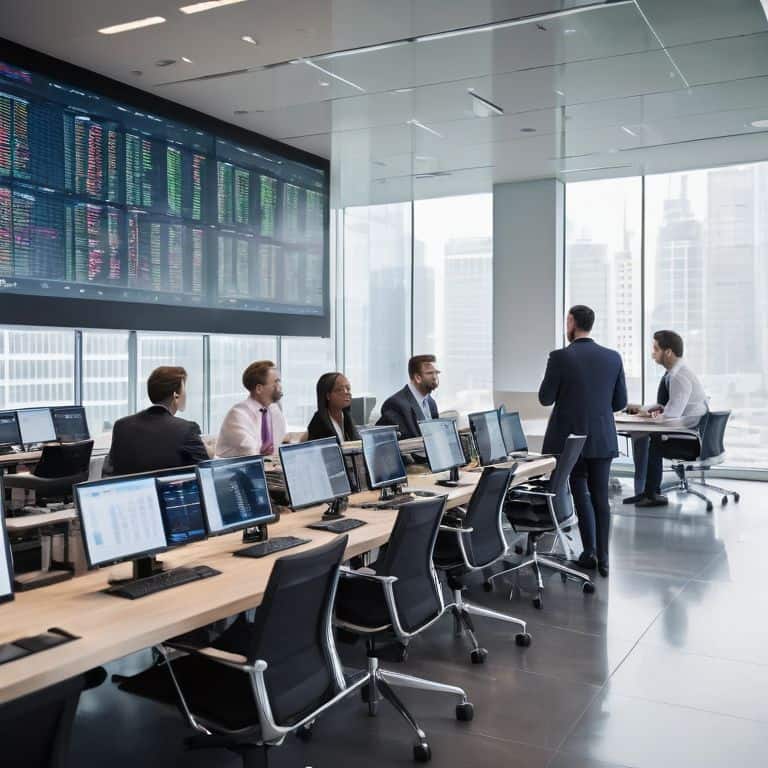
    As I delve into the world of finance, I’m reminded of the algorithmic trading strategies that have revolutionized the way we invest. It’s like having a team of super-smart, ultra-fast traders working around the clock, analyzing vast amounts of data to make informed decisions. This is where machine learning for risk analysis comes into play, helping to identify potential pitfalls and opportunities that might elude human traders.

    The integration of natural language processing in finance has also been a game-changer, enabling computers to understand and interpret vast amounts of financial data, from news articles to social media posts. This allows for more accurate predictions and ai powered portfolio management, giving investors a competitive edge in the market. It’s fascinating to see how these technologies are being used to create ai driven investment platforms that can adapt and evolve over time.

    As a tech futurist, I’m excited to see where these advancements will take us. The potential for deep learning in financial forecasting is vast, and I believe it will play a key role in shaping the future of finance. By leveraging these technologies, we can unlock new levels of efficiency and precision, making it possible to create more sophisticated and effective investment strategies.

    Ai Portfolio Management the Next Frontier

    As I delve into the world of AI in finance, I’m reminded of the precise calculations that made the Borg’s decisions so formidable in Star Trek. This same precision is now being applied to portfolio optimization, where AI algorithms can analyze vast amounts of data to predict market trends and make informed investment decisions.

    With AI managing portfolios, the potential for risk mitigation is vast. By continuously monitoring market fluctuations and adjusting investments accordingly, AI can help protect assets and maximize returns. This is the next frontier in finance, where human intuition meets machine precision, creating a powerful synergy that’s set to revolutionize the industry.

    Borgs of Wall Street Algorithmic Trading

    As I delve into the world of algorithmic trading, I’m reminded of the cybernetic enhancements that made the Borg so formidable in Star Trek. Today, we’re seeing a similar fusion of human intuition and machine learning in financial markets.

    The speed of execution is where these modern trading systems truly shine, processing vast amounts of data in real-time to make decisions that can outpace human reaction times.

    Futuristic Financial Frontiers

    Futuristic Financial Frontiers emerge

    As I delve into the futuristic financial frontiers, I’m reminded of the sci-fi novels I devoured as a child, where authors like Asimov and Dick envisioned a world where technology seamlessly integrated with human intuition. Today, we’re witnessing the dawn of natural language processing in finance, where machines can decipher and respond to human language, paving the way for more intuitive and efficient financial interactions. This synergy between human and machine is revolutionizing the way we approach finance, making it more accessible and personalized.

    The potential of machine learning for risk analysis is vast, enabling us to predict and mitigate potential financial pitfalls with unprecedented accuracy. By leveraging deep learning in financial forecasting, we can uncover hidden patterns and trends, allowing for more informed investment decisions. As someone who’s passionate about designing and flying custom drones, I appreciate the parallels between navigating complex airspace and navigating the complexities of financial markets.

    As we continue to push the boundaries of innovation, ai powered portfolio management is emerging as a game-changer, enabling investors to make data-driven decisions with ease. The future of finance is undoubtedly intertwined with technology, and it’s exciting to think about the possibilities that ai driven investment platforms will unlock. With each new development, we’re one step closer to turning the futuristic visions of my childhood into a tangible reality.

    Deep Learning Forecasts the Crystal Ball

    As I delve into the realm of deep learning forecasts, I’m reminded of the futuristic episodes of Star Trek where computers predicted outcomes with uncanny accuracy. Now, with _advanced algorithms_, we’re turning that sci-fi into reality, enabling us to make more informed decisions in finance.

    The potential of deep learning forecasts lies in their ability to analyze complex patterns, providing us with a clearer picture of market trends and potential outcomes.

    Natural Language Processing Finances New Voice

    As I delve into the world of finance, I’m reminded of the voice-activated computers in Star Trek, where commands were executed with ease. This concept is now a reality with Natural Language Processing (NLP) in finance, allowing for more intuitive interactions.

    The ability to interpret financial data through NLP is revolutionizing the way we analyze and make decisions, bringing us closer to a futuristic financial landscape where technology seamlessly integrates with human intuition.

    5 Cosmic Tips to Navigate AI in Finance

    • Embrace the Borg: Don’t be afraid to assimilate AI into your financial workflows – it’s the future, and it’s here to stay
    • Chart Your Course: Use machine learning to analyze market trends and make predictions that would make even the most seasoned Starfleet captain jealous
    • Talk to the Computer: Leverage natural language processing to create more human-like interactions with your financial AI systems – it’s like having your own personal computer, à la Star Trek
    • Mind Meld with Data: Combine human intuition with AI-driven insights to create a powerful financial forecasting tool that’s out of this world
    • Boldly Go Beyond: Don’t just use AI for routine tasks – use it to explore new frontiers in finance, like personalized investment advice and automated portfolio management, and remember, the sky is no longer the limit

    Key Takeaways from the Frontier of AI in Finance

    I’ve seen firsthand how AI can transform financial decision-making, much like those Star Trek episodes where computers made the tough calls – now, it’s our reality

    From algorithmic trading to AI portfolio management, and from natural language processing to deep learning forecasts, the future of finance is being written in code, and it’s an exciting story to tell

    As a tech futurist, I believe the fusion of human imagination and AI capabilities will revolutionize the financial sector, making it more efficient, innovative, and accessible to all, just like my custom drones bring a new perspective to the world from up high

    A Futuristic Vision

    As AI transforms finance, we’re not just automating tasks, we’re unleashing a new era of imagination and innovation – where the boundaries of what’s possible are rewritten every day, and the future is no longer something we predict, but something we create.

    Alex Peterson

    Embracing the AI-Driven Future

    Embracing the AI-Driven Future

    As I reflect on the journey of artificial intelligence in finance, from algorithmic trading to AI portfolio management, it’s clear that we’re on the cusp of a revolution. The integration of natural language processing and deep learning forecasts is not only transforming the way we approach financial decisions but also opening doors to new, uncharted territories. The futuristic financial frontiers we’ve explored are no longer the realm of science fiction but our immediate reality, challenging us to embrace innovation with open arms.

    As we step into this brave new world, let’s remember that the true power of AI in finance lies not in its ability to process data, but in its capacity to unlock human potential. By harnessing the power of artificial intelligence, we’re not just streamlining processes or making predictions; we’re reimagining the future. So, let’s embark on this journey with curiosity, creativity, and a relentless pursuit of innovation, turning the sci-fi of yesterday into the reality of tomorrow.

    Frequently Asked Questions

    How will AI in finance impact job security for financial analysts and advisors?

    As AI takes over routine analysis, financial analysts and advisors will need to adapt, focusing on high-touch, strategic advising where human intuition and empathy shine. While some tasks may be automated, the need for expert interpretation and emotional intelligence will ensure their roles evolve, rather than become obsolete.

    Can AI systems in finance make ethical decisions that align with human values and regulatory requirements?

    As I gaze at my vintage computer chip collection, I ponder if AI can truly make ethical financial decisions. I believe AI can be programmed to align with human values and regulations, but it’s crucial to embed transparency, accountability, and continuous monitoring to ensure these systems serve the greater good, much like Mr. Spock’s logic guided the Enterprise.

    What role will explainability and transparency play in AI-driven financial decision-making to build trust with investors and consumers?

    As a tech futurist, I believe explainability and transparency are crucial in AI-driven finance, allowing investors to understand the ‘why’ behind decisions, much like Captain Kirk trusting his tricorder’s data. By shedding light on AI’s thought process, we can build trust and ensure that innovation serves humanity, not just the bottom line.