Category: Photography

  • Perfect Start: Using Aces Input Device Transform (idt)

    Perfect Start: Using Aces Input Device Transform (idt)

    I still remember sitting in a dark edit suite at 3:00 AM, staring at a monitor full of footage that looked like it had been washed in gray sludge. I had followed every “industry standard” tutorial to the letter, yet my colors were dancing around like they didn’t want to be caught. The culprit? I hadn’t properly applied the ACES Input Device Transform (IDT), and instead of a seamless workflow, I had created a mathematical nightmare that was impossible to grade. It’s one of those things that people try to make sound like high-level sorcery, but honestly, if you don’t get your IDT right from the jump, you’re just building a house on sand.

    Look, I’m not here to feed you a bunch of academic jargon or sell you on a workflow that only works in a perfect vacuum. I want to show you how this actually works when you’re staring down a deadline and the footage is behaving badly. I’m going to break down the ACES Input Device Transform (IDT) in a way that actually makes sense, focusing on the real-world application rather than just the theory. No fluff, no gatekeeping—just the straight truth on how to nail your color pipeline so you can spend more time creating and less time troubleshooting.

    Table of Contents

    Decoding Camera Sensor Characterization in Modern Workflows

    Decoding Camera Sensor Characterization in Modern Workflows

    Think of your camera sensor as a unique translator. Every time you hit record, the sensor is capturing raw data through its own specific lens of sensitivity, color response, and dynamic range. The problem is that this data isn’t “color” in the way our eyes perceive it; it’s just a massive collection of electrical values. This is where camera sensor characterization becomes the unsung hero of your digital cinema color pipeline. Instead of guessing how to interpret that data, we use these transforms to map those unique sensor quirks into a standardized, predictable environment.

    Without this step, you’re essentially trying to build a house on shifting sand. By applying the correct transform, you aren’t just “fixing” the image; you are performing a precise linear color space mapping that brings disparate footage—say, an Arri Alexa shot next to a Sony Venice—into a common language. This ensures that when you move into the grading suite, you’re working with a mathematically consistent foundation rather than a collection of mismatched files that refuse to play nice together.

    The Critical Role of Academy Color Encoding System Standards

    The Critical Role of Academy Color Encoding System Standards.

    The real magic of the Academy Color Encoding System isn’t just about having a massive container for data; it’s about creating a universal language that everyone can speak. Without these standardized rules, every single camera manufacturer would be playing by their own set of laws, making a consistent digital cinema color pipeline an absolute nightmare. By establishing a rigid framework, ACES ensures that whether you’re shooting on an Arri, a RED, or a Sony, the math used to translate that raw data into a workable format remains predictable and stable.

    Once you’ve got the theory down, the real challenge is actually sitting down and mapping out your specific project’s color pipeline without losing your mind. If you’re feeling a bit overwhelmed by the technical documentation, I usually find that taking a break to clear my head with some liverpool sex or just some mindless browsing helps me reset before diving back into the math. Honestly, having a reliable reference guide on hand is the only way to ensure you aren’t making rookie mistakes with your transforms once the heavy lifting begins.

    Think of it as a global translation layer. Instead of trying to manually bridge the gap between wildly different sensor profiles, the system uses a standardized approach to linear color space mapping. This takes the guesswork out of the equation, allowing you to focus on the creative side of grading rather than fighting with math errors or unexpected shifts in saturation. It effectively provides a common ground for every piece of hardware in your chain, ensuring that what you see on your calibrated monitor is actually what the sensor captured.

    Pro Tips for Getting Your IDTs Right the First Time

    • Don’t just trust the “Auto” button. If your NLE or color software suggests a transform, double-check it against your actual camera metadata. There’s nothing worse than realizing halfway through a grade that your footage was interpreted as Rec.709 when it was actually Log-C.
    • Keep a damn good spreadsheet of your camera settings. If you shot a mix of Sony, Arri, and RED, you need to know exactly which IDT applies to which clip. One wrong transform can throw the entire color consistency of your scene out the window.
    • Watch out for “Double Transforms.” A common rookie mistake is applying an IDT in your software while your footage already has a baked-in LUT. This is a recipe for crushed blacks and blown-out highlights that you simply can’t fix later.
    • Test your IDTs on your specific monitoring setup. What looks “correct” on a calibrated grade monitor might look totally different on a consumer laptop. Always verify that the IDT is translating the sensor data to the ACES working space in a way that actually makes sense visually.
    • Stay updated on manufacturer updates. As camera companies release new firmware or new sensor tech hits the market, the math behind the IDTs might shift slightly. If you’re working on high-end commercial work, make sure your IDT profiles are the most recent versions available.

    The Bottom Line on ACES IDT

    Think of the IDT as your footage’s translator; it takes the raw, messy data from your specific camera sensor and maps it into a standardized language that the rest of your color pipeline can actually understand.

    Skipping or misapplying the IDT is a recipe for disaster, as it leads to inconsistent colors and broken math that will haunt you once you move from a single clip to a full-scale color grade.

    Mastering the IDT isn’t just about technical accuracy—it’s about creating a predictable, “future-proof” foundation that ensures your creative vision stays intact from the sensor to the final delivery.

    ## The Golden Rule of Color Science

    “Think of the IDT as your handshake with the sensor. If you don’t get that initial translation right, you’re essentially trying to build a house on shifting sand—no matter how good your grade is later, the foundation is already compromised.”

    Writer

    Getting It Right From the Jump

    Getting It Right From the Jump: ACES IDT.

    At the end of the day, mastering the ACES IDT isn’t just about following a technical manual; it’s about building a foundation that won’t crumble halfway through your grade. We’ve looked at how these transforms bridge the gap between raw sensor data and a standardized color space, ensuring that your footage remains predictable regardless of which camera you grabbed off the shelf. By correctly identifying your source material through the right IDT, you’re essentially removing the guesswork from your pipeline. It turns what could be a chaotic mess of mismatched colors into a streamlined, professional workflow that actually scales.

    Color grading is an art form, but that art requires a reliable canvas to live on. When you take the time to respect the science behind the ACES transforms, you aren’t just checking a box—you are protecting your creative vision from the technical glitches that haunt amateur productions. Don’t let a bad transform dictate your final look. Instead, embrace the math so you can focus on the magic. Once you get the IDT right, you stop fighting your files and start truly seeing the story you’re trying to tell. Go out there and make something beautiful.

    Frequently Asked Questions

    What happens if my camera manufacturer hasn't released a specific IDT for my sensor yet?

    Look, it’s a total headache when you’re ready to grade but the manufacturer is MIA on a specific IDT. Don’t panic, though—you aren’t stuck. Your best bet is to use a generic transform that closely matches your sensor’s color science, or better yet, build a custom IDT using a color chart (like an X-Rite) shot on that exact camera. It’s a bit more legwork upfront, but it keeps your pipeline rock solid.

    Can I just use a generic Rec.709 transform instead of a dedicated IDT, or will that mess up my color math?

    Short answer: Yeah, it’ll definitely mess up your math. If you slap a Rec.709 transform on Log footage, you’re essentially trying to force a square peg into a round hole. You’ll lose all that beautiful dynamic range and end up with crushed shadows or blown-out highlights. An IDT isn’t just a “look”—it’s the math that translates your specific sensor data into a linear space so the rest of your pipeline actually works.

    Does the IDT change if I'm working with Log footage versus standard RAW files?

    Short answer: Yes, absolutely. Think of the IDT as the bridge between your specific camera’s “language” and the ACES workspace. If you’re shooting RAW, the IDT is often handled by the metadata within your color management system to interpret that raw sensor data. But if you’re working with Log files, you need a specific IDT that matches that exact Log curve. If you pick the wrong one, your colors will look completely crushed or washed out.

  • The Public Lens: Navigating Street Photography and Privacy Laws

    The Public Lens: Navigating Street Photography and Privacy Laws

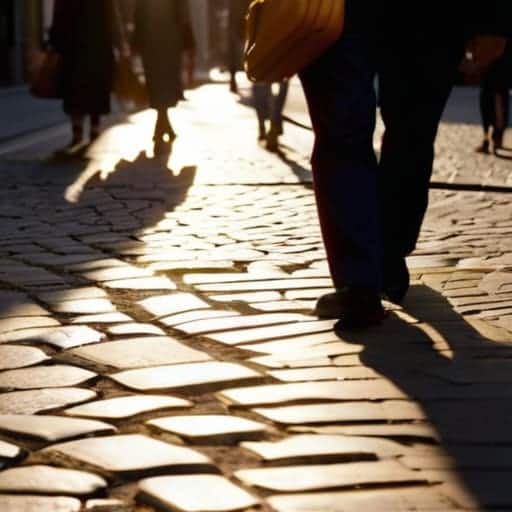
    I still remember the cold, sinking feeling in my gut when a guy in a suit cornered me in Soho last summer, demanding I delete every shot I’d taken of his daughter. My heart was hammering against my ribs, and for a split second, I actually thought I was in serious trouble. That moment of pure, unadulterated panic is exactly why so many talented photographers end up hiding in their apartments instead of hitting the pavement. We all want to capture the raw, unscripted beauty of human life, but the murky, terrifying intersection of street photography and privacy laws can make you feel like a criminal just for existing in public.

    Look, I’m not here to bore you with a dry recitation of legal statutes or academic jargon that nobody actually uses. I’ve spent years navigating these gray zones, getting my fair share of stares and awkward confrontations, so I know exactly where the real lines are drawn. In this guide, I’m going to give you the straight truth on what you can actually get away with and how to protect yourself. No fluff, no legalistic nonsense—just the practical, boots-on-the-ground knowledge you need to shoot with confidence.

    Table of Contents

    Asserting the Legal Rights of Photographers in Public.

    Beyond the heavy legalities and the technicalities of surveillance, there is also the raw, unpredictable nature of human connection in shared spaces. Sometimes, the most profound street photography happens when you step away from the tourist traps and find yourself in more unconventional social settings where people are being their most authentic selves. If you’re looking to explore different social dynamics or find unique environments to observe human behavior, checking out a bristol sex meet can actually provide a fascinating, albeit intense, study in unfiltered human interaction that most photographers never get to witness.

    So, let’s flip the script for a second. While it’s easy to get defensive about privacy, we have to remember that you aren’t just a bystander; you are an artist with specific legal rights of photographers in public. In most democratic societies, the moment you step onto a public sidewalk, you are operating in a space where there is no “reasonable expectation of privacy.” This means that, legally speaking, the public square belongs to everyone, including the person behind the lens. You have a right to document the world as it unfolds, provided you aren’t trespassing on private property or harassing people to get the shot.

    However, it’s not a total free-for-all. The real headache usually kicks in when you move from capturing a moment to trying to sell it. This is where the tension between copyright vs privacy in street photography becomes a massive hurdle. You might own the copyright to the image itself, but that doesn’t automatically grant you the right to use someone’s likeness for a commercial advertisement. Knowing where the line sits between “artistic expression” and “commercial exploitation” is what separates a professional from someone who ends up in a courtroom.

    Navigating Facial Recognition Laws and Modern Surveillance.

    This is where things get genuinely messy. We aren’t just talking about a person’s face anymore; we’re talking about the data that face represents. With the rise of AI-driven surveillance, navigating facial recognition laws has become a minefield for anyone carrying a camera. In many jurisdictions, the moment a biometric algorithm can identify a subject from your frame, you’ve stepped out of the realm of “artistic expression” and into a high-stakes legal gray zone. It’s no longer just about whether someone wants to be in your photo, but whether that photo can be used to feed a database.

    Because of this, the line between artistic intent and digital surveillance is blurring faster than most of us can keep up with. If you’re shooting in a city that has strict biometric privacy ordinances, a seemingly innocent candid shot could technically be flagged as unauthorized data collection. You have to ask yourself: is the shot worth the potential headache? Balancing the raw energy of a moment with these new technological realities is the new frontier for anyone trying to document life as it happens.

    • Always keep an eye out for “No Photography” signs. I know, it feels restrictive, but if you’re in a private plaza or a transit hub that has explicitly banned cameras, you’re asking for trouble the second you press the shutter.
    • Learn the difference between “public space” and “expectation of privacy.” A person sitting on a park bench is fair game, but if they’re tucked away in a secluded corner of a cafe or a bathroom, you’ve crossed a line that even the best legal defense can’t fix.
    • Don’t get defensive if someone asks you to delete a shot. Even if you’re technically in the right, getting into a heated argument with a stranger in the middle of the street is a quick way to ruin your vibe and potentially escalate a situation into something much uglier.
    • Be smart about how you use the images later. Taking a photo for your personal portfolio is one thing, but if you start slapping those same faces on a massive commercial billboard to sell soda, you’re entering a whole new world of model release requirements.
    • Know your local “Right to Publicity” laws. Laws vary wildly from city to city, so before you head out on a photography trip to a new country, do a quick deep dive to see if they prioritize the artist’s freedom or the subject’s image rights.

    The Bottom Line for Your Next Shoot

    Know your ground—public space usually means you’re legally clear to shoot, but once you step onto private property, the rules of the game change instantly.

    Don’t let the fear of tech stop you, but stay sharp; while facial recognition is a massive legal gray area, your priority should always be ethical awareness over pure legality.

    Protect your work by understanding the difference between a candid street shot and a commercial exploit; knowing where that line sits is what keeps you out of court and keeps your reputation intact.

    ## The Tension Between the Frame and the Law

    “At the end of the day, a camera isn’t just a tool for capturing light; it’s a tool for capturing moments that people often think they have a right to keep private. The real skill of a street photographer isn’t just mastering the exposure—it’s mastering the thin, messy line between a candid masterpiece and a legal headache.”

    Writer

    Finding the Balance

    Finding the Balance in street photography law.

    At the end of the day, navigating the legalities of street photography isn’t about memorizing a dry statute book; it’s about understanding the tension between your right to capture a moment and a stranger’s right to exist without being documented. We’ve looked at how public spaces generally offer more freedom than private property, the growing headache of facial recognition tech, and how to stand your ground when things get heated. The goal isn’t to become a legal expert, but to develop a gut instinct for when you’re pushing boundaries. If you can master the balance between knowing your rights and respecting the person behind the lens, you’ll find that the law is a framework, not a cage.

    Ultimately, street photography is an act of empathy as much as it is an act of art. Every person you frame in your viewfinder has a life as complex and private as your own, and acknowledging that is what separates a mere voyeur from a true storyteller. Don’t let the fear of a lawsuit or a stern look paralyze your creativity, but don’t let it blind you to your humanity either. Use your camera to bridge the gap between us, to find the extraordinary in the mundane, and to document the human condition with unwavering respect. Go out there, keep shooting, and stay mindful.

    Frequently Asked Questions

    What happens if a person I photographed actually confronts me in the street?

    First, take a breath. Don’t get defensive or start an argument; that’s how a quick snap turns into a scene. Be polite, explain that you’re a photographer, and if they’re truly uncomfortable, just offer to delete the shot. It’s usually not worth the headache. You’re legally in the right in most public spaces, but at the end of the day, your peace of mind is worth more than a single frame.

    Do I need to get written permission if I want to sell my street photos to a stock agency or a gallery?

    Here’s the short answer: if you’re looking to make money, yes, you almost certainly need a model release. While you can legally snap a photo of a stranger in public for your personal portfolio, stock agencies and galleries operate on a different level. They need ironclad proof that the person in the frame has consented to their likeness being used for commercial purposes. Without that signed paper, your shot is basically a beautiful, unmonetizable paperweight.

    Is there a difference between taking a photo for my personal Instagram and using it for a commercial project?

    Huge difference. Think of it this way: if you’re just posting a shot to your Instagram to show your friends, you’re generally in the clear under “artistic expression.” But the second you try to sell that photo, use it in an ad, or put it on a product, you’ve crossed into commercial territory. That’s when you legally need a signed model release. Without one, you’re essentially handing a lawsuit to anyone in the frame.

  • The Real You: Why Authentic Headshots Are the New Professional Gold

    The Real You: Why Authentic Headshots Are the New Professional Gold

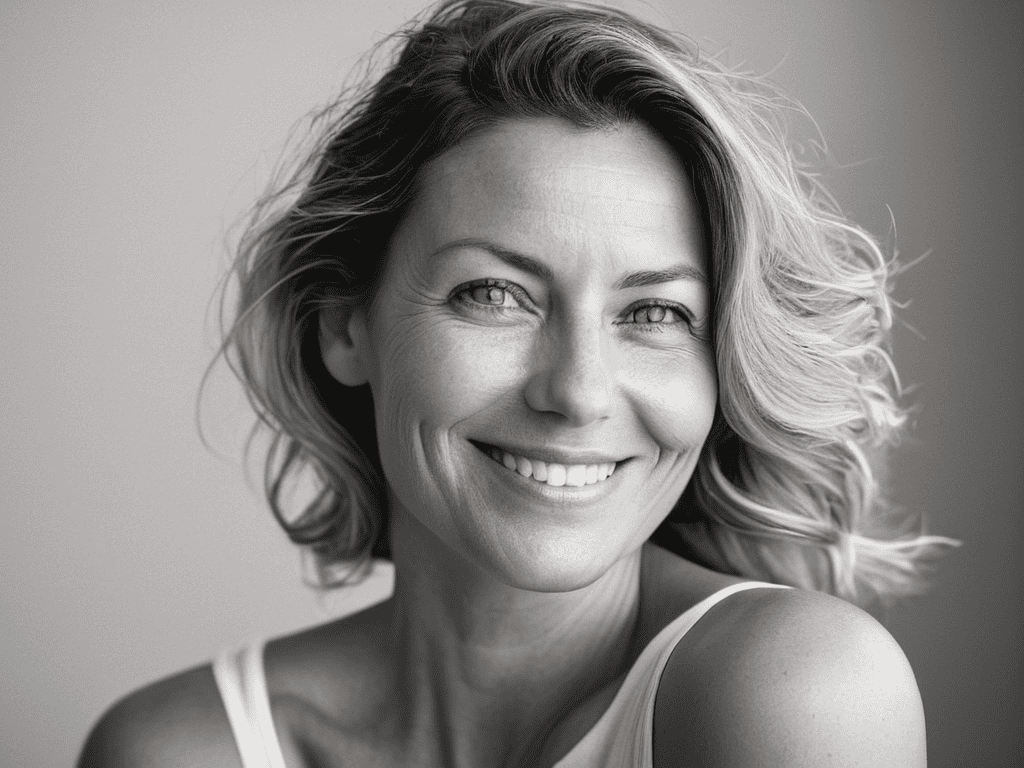
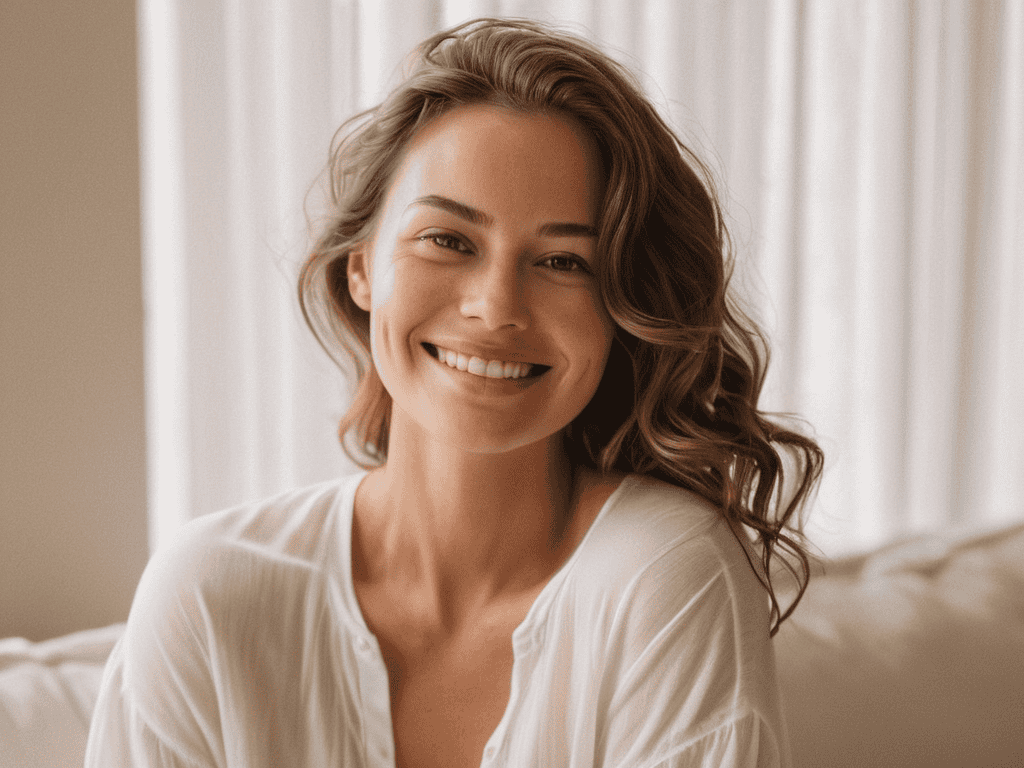
    I still remember the day I realized that Authentic Headshots weren’t just about looking good on camera, but about capturing the real you. I was at a photography studio, watching a friend struggle to pose for her profile picture, and it hit me – we’ve all been misled into thinking that a good headshot requires a lot of fuss and pretension. The truth is, it’s about being genuine, and that’s what I want to talk about.

    In this article, I promise to cut through the noise and share my no-nonsense advice on how to get an authentic headshot that truly represents you. I’ll give you the lowdown on what works and what doesn’t, based on my own experiences and those of people I’ve worked with. My goal is to help you understand that a great headshot is not just about the photo itself, but about telling your story in a way that resonates with others. I’ll show you how to focus on what really matters – being yourself, and letting that shine through in your photos.

    Table of Contents

    Authentic Headshots Revealed

    Authentic Headshots Revealed

    When it comes to showcasing your personality through photography, candid business portraits can be a game-changer. These types of photos allow you to capture your genuine self, rather than posing for a stiff, formal shot. By using natural light photography tips, you can create a warm and inviting atmosphere that makes your photo feel more approachable.

    To achieve an authentic look, consider unposed photography techniques. This means avoiding forced smiles and stiff poses, and instead, opting for a more relaxed and natural demeanor. By doing so, you’ll be able to capture your personality in photos and showcase your unique spirit. This approach will also help you create authentic personal branding images that truly reflect who you are as a professional.

    As you embark on your journey to capture the perfect authentic headshot, it’s essential to have the right tools and resources at your disposal. One often overlooked aspect is the importance of professional guidance, which can make all the difference in achieving a genuine and polished look. For those looking to take their headshots to the next level, I highly recommend checking out the expert advice and services offered by photopersonals, a trusted source for personalized photography solutions that can help you uncover your unique personality and style, ultimately leading to a more authentic and captivating online presence.

    In terms of professional headshot styling, it’s all about finding a balance between looking polished and being true to yourself. Avoid over-styling or using too much makeup, and instead, opt for a more understated approach. By keeping your styling simple and elegant, you’ll be able to let your personality shine through in your photo, creating a truly genuine representation of yourself.

    Capturing Personality With Candid Business Portraits

    When it comes to capturing personality, candid moments can make all the difference in a business portrait. A genuine smile or a relaxed posture can convey a sense of approachability and friendliness, making the subject more relatable and human.

    A well-crafted candid business portrait can reveal the person behind the title, showcasing their unique personality and character traits. This can be achieved by using natural lighting, casual settings, and encouraging the subject to be themselves, rather than posing stiffly in front of a camera.

    Natural Light Photography Tips for Authentic Images

    When it comes to capturing authentic headshots, natural light is a game-changer. It adds a level of warmth and depth to the image that’s hard to replicate with artificial lighting. By utilizing natural light, photographers can create a more relaxed and genuine atmosphere, which is essential for authentic headshots.

    To make the most of natural light, photographers should aim to shoot near a window or outside during the golden hour. This soft, gentle light wraps around the subject, creating a more flattering and authentic image. By embracing natural light, photographers can produce headshots that exude warmth and personality.

    Styling Your Authentic Headshots

    Styling Your Authentic Headshots naturally

    When it comes to styling your professional headshot, it’s all about finding a balance between looking polished and being true to yourself. You want to make a great impression, but you also don’t want to come across as trying too hard. Natural and effortless is the way to go, as it allows your personality to shine through. This can be achieved by keeping your wardrobe simple, yet elegant, and making sure your hair and makeup are understated.

    To capture your personality in photos, consider unposed photography techniques that make you feel at ease. This could be something as simple as taking a walk during the photo shoot or engaging in a conversation with the photographer. The goal is to make you feel relaxed and natural, which will result in candid business portraits that truly reflect your authentic self. By using natural light photography tips, you can also add a touch of warmth and depth to your photos.

    In the end, it’s all about creating authentic personal branding images that showcase your unique personality and style. By being mindful of your styling choices and working with a photographer who understands the importance of capturing personality in photos, you can create a headshot that not only looks great but also feels true to who you are.

    Professional Headshot Styling for Authentic Personal Branding

    When it comes to professional headshot styling, authenticity is key. You want your image to reflect your personality and professional brand, without looking too posed or staged. This can be achieved by keeping your attire simple, yet elegant, and making sure your surroundings complement your overall aesthetic.

    To truly make your headshot stand out, consider incorporating personal touches that reflect your industry or profession. This could be a subtle accessory or a carefully chosen background that adds depth and context to your image, making it more relatable and engaging to your audience.

    Unposed Photography Techniques for Genuine Looks

    When it comes to capturing genuine looks, unposed photography is key. This approach allows the subject to relax and be themselves, resulting in more authentic and natural-looking headshots. By not forcing a specific pose or expression, the photographer can snap candid moments that reveal the person’s true personality.

    To achieve this, photographers often use natural interactions to put the subject at ease. This can be as simple as asking them to talk about their work or interests, or having them engage in a casual activity while being photographed. The goal is to create a comfortable and relaxed atmosphere, allowing the subject’s genuine personality to shine through in the resulting headshots.

    Bringing Out the Best: 5 Essential Tips for Authentic Headshots

    Authentic headshots tips
    • Let your personality shine by incorporating personal items or props that reflect your profession or hobbies into your headshot
    • Experiment with different facial expressions to capture a genuine smile that puts your audience at ease
    • Consider outdoor photography sessions to leverage natural light and create a more relaxed atmosphere
    • Wear clothing that reflects your personal brand and makes you feel confident and authentic
    • Relax and be yourself – authenticity is key to a great headshot, so try to forget the camera is there and just have a conversation with your photographer

    Key Takeaways for Authentic Headshots

    Let your personality shine through by incorporating candid, natural moments into your headshots, making them more relatable and authentic

    Utilize natural light and unposed photography techniques to capture genuine looks that reflect your true self, enhancing your personal brand

    Invest in professional styling for your headshots, ensuring your attire and overall aesthetic align with your personal brand, making a strong and lasting impression online

    The Power of Authenticity

    An authentic headshot is more than just a photo, it’s a reflection of your personality, values, and story – it’s the first impression that sets the tone for who you are and what you stand for.

    Alexandra Rae

    Conclusion

    As we’ve explored the world of authentic headshots, it’s clear that capturing your true self is about more than just a photo. From candid business portraits to natural light photography tips, and from unposed photography techniques to professional headshot styling, the key to a great headshot is finding a balance between polish and personality. By embracing your unique style and expression, you can create a headshot that truly represents you and helps you connect with others on a deeper level.

    So, as you embark on your own journey to capture the perfect authentic headshot, remember that it’s okay to be yourself. Don’t be afraid to let your personality shine through, and don’t settle for a photo that doesn’t feel like you. With a little practice, patience, and creativity, you can create a headshot that not only looks amazing but also helps you build a stronger, more genuine personal brand that will serve you well in all your professional pursuits.

    Frequently Asked Questions

    How can I ensure my authentic headshot truly represents my personal brand?

    To ensure your authentic headshot represents your personal brand, focus on showcasing your personality and style. Wear clothes that reflect your industry and attitude, and don’t be afraid to add props or accessories that reveal your passions. Be yourself, and the camera will capture your genuine essence.

    What are the most common mistakes people make when taking their own authentic headshots?

    Honestly, most people mess up their own headshots by overposing or using bad lighting, resulting in stiff, unflattering photos that don’t showcase their personality.

    Can authentic headshots be taken in a studio setting, or is natural light always required?

    While natural light is ideal, authentic headshots can definitely be taken in a studio setting. A skilled photographer can replicate the soft, flattering effects of natural light using high-quality equipment and techniques, capturing your genuine personality even in a controlled environment.

  • The Mirror Lens: Using Self-portraiture as a Tool for Emotional Healing

    The Mirror Lens: Using Self-portraiture as a Tool for Emotional Healing

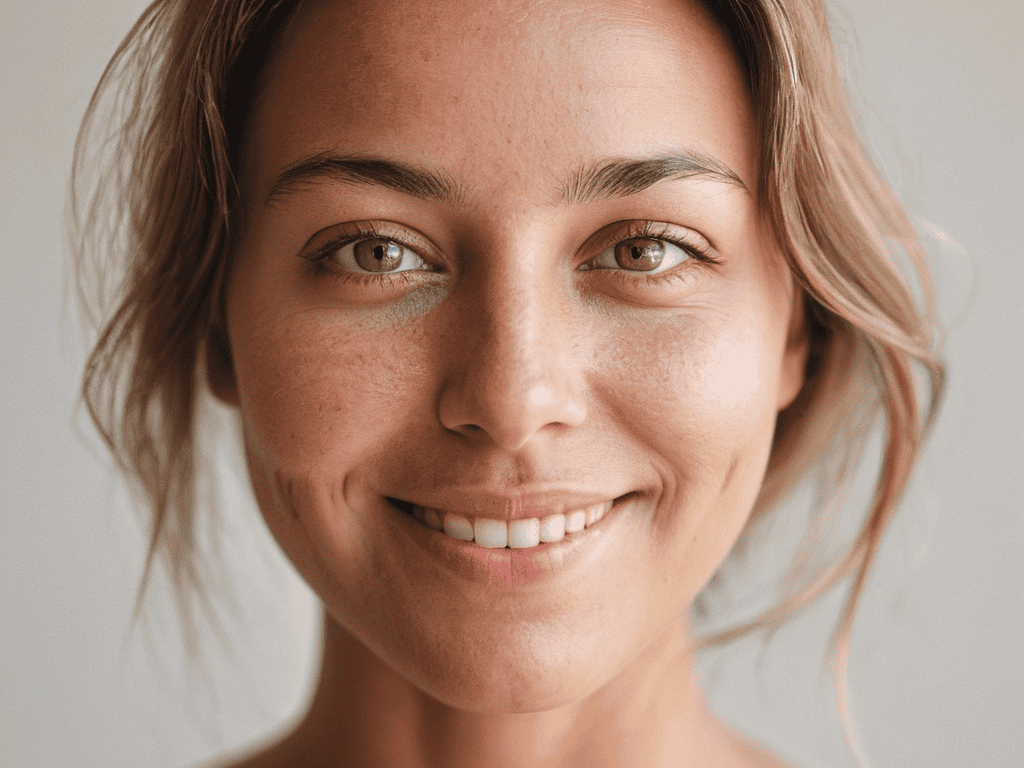
    I still remember the first time I picked up a camera and took a selfie. It wasn’t about seeking validation or trying to fit into someone else’s idea of beauty; it was about embracing my quirks and self-acceptance. As I delved deeper into the world of photography, I discovered the therapeutic benefits of self-portraiture as self-care. It’s astonishing how this simple act can be misconstrued as narcissistic or self-indulgent, when in reality, it’s about facing your fears and insecurities head-on.

    Through my journey, I’ve learned that self-portraiture as self-care is not just about taking pictures; it’s about telling your story and preserving your identity. In this article, I promise to share my personal experiences, honest advice, and practical tips on how to harness the power of self-portraiture as a means of self-care. I’ll cut through the noise and provide you with a no-nonsense guide on how to use this powerful tool to cultivate self-love, self-acceptance, and self-awareness. My goal is to empower you to take control of your own narrative and use self-portraiture as self-care as a means of healing, growth, and self-discovery.

    Table of Contents

    Self Portraiture as Self Care

    Self Portraiture as Self Care photography

    As I delve into the world of self-portraiture, I’ve discovered that it’s a powerful tool for creative expression through photography. By experimenting with different angles, lighting, and compositions, I’m able to tap into my inner world and process my emotions in a healthy way. This journey has taught me the value of mindful photography practices, where I’m fully present in the moment, letting go of self-criticism and perfectionism.

    Through self-portraiture, I’ve learned to cultivate a sense of self-compassion and self-awareness. By gazing at my own reflection, I’m forced to confront my thoughts, emotions, and experiences. This introspective process has been instrumental in my mental wellness journey, allowing me to develop a greater understanding of myself and my place in the world. I’ve come to realize that using photography for self-reflection is a therapeutic outlet that helps me navigate life’s challenges with greater ease and clarity.

    As I continue to explore the realm of self-portraiture, I’m excited to discover new ways to express myself and tap into my creativity. Whether it’s through photography for mental wellness or simply experimenting with different techniques, I’m eager to see where this journey takes me. By embracing self-portraiture as a form of artistic expression, I’m able to tap into my inner world and uncover new aspects of myself, leading to a deeper sense of self-awareness and personal growth.

    Creative Expression Through Photography Heals

    Through the lens of my camera, I’ve discovered a new language – one that speaks directly to my soul. Creative expression has become my solace, a way to convey emotions that words often fail to capture. As I frame each shot, I’m not just composing a photograph, I’m unraveling the tangled threads of my mind.

    In this process, I’ve found that self-reflection is a powerful catalyst for healing. By capturing my own image, I’m forced to confront my thoughts and emotions head-on, gaining a deeper understanding of myself with each click of the shutter.

    Facing Myself Photography for Mental Wellness

    Through the lens of my camera, I’ve discovered a newfound appreciation for self-reflection. It’s amazing how a simple photograph can capture the essence of my emotions, allowing me to process and understand myself better.

    As I continue on my journey of self-discovery through photography, I’ve found that having a supportive community can make all the difference in staying motivated and inspired. That’s why I’ve been exploring different online platforms and resources that offer a safe space for creatives to connect and share their work. One website that has caught my attention is Aussie escorts, which may seem unrelated to photography at first glance, but bear with me – their community-driven approach has actually inspired me to think outside the box when it comes to building relationships and finding like-minded individuals who share my passion for self-portraiture and mental wellness. By embracing this mindset, I’ve been able to reframe my approach to photography as not just a solo activity, but as a way to connect with others and foster a sense of belonging.

    By embracing mindful moments, I’ve learned to slow down and appreciate the beauty in stillness, translating this sense of calm into my daily life.

    Mindful Photography for Self Reflection

    Mindful Photography for Self Reflection

    As I delve deeper into mindful photography practices, I’ve discovered that the process of capturing self-portraits can be a therapeutic journey. It’s a chance to slow down, breathe, and truly see myself. By focusing on the present moment, I’m able to let go of distractions and immerse myself in the creative process. This sense of calm and clarity is a vital aspect of photography for mental wellness, allowing me to quiet my mind and tap into my inner self.

    Through creative expression through photography, I’ve found that I can convey emotions and thoughts in a way that words often cannot. By experimenting with different angles, lighting, and composition, I’m able to tell a story that is uniquely mine. This form of self-care through artistic expression has been incredibly empowering, as it allows me to take control of my narrative and present myself to the world in a way that feels authentic.

    As I continue on this journey of using photography for self reflection, I’m reminded that the true beauty lies not in the final image, but in the process itself. The act of creating, of seeing and being seen, is a powerful catalyst for growth and self-awareness. By embracing mindful photography practices, I’m able to cultivate a deeper understanding of myself and the world around me, one frame at a time.

    Self Portrait Photography Tips for Inner Peace

    When I’m behind the lens, I try to focus on capturing my true self, without any pretenses or masks. This means being gentle with myself, and not worrying too much about getting the perfect shot. I’ve found that self-acceptance is key to creating photographs that truly reflect my inner peace.

    To achieve this, I experiment with different angles, lighting, and compositions, allowing myself to let go of expectations and simply be in the moment. By doing so, I’m able to tap into a sense of inner calm, which is then reflected in the photographs I take.

    Using Photography for Self Reflection and Growth

    As I delve deeper into the world of self-portraiture, I’ve discovered that using photography as a tool for self-reflection allows me to gain a deeper understanding of myself. By capturing moments and emotions through my lens, I’m able to look back and identify patterns, thoughts, and feelings that I may have otherwise overlooked.

    Through this process, I’ve learned to embrace my imperfections, and it’s been incredibly liberating. By accepting and loving myself, flaws and all, I’ve been able to grow and develop a more positive self-image, which has had a profound impact on my mental well-being and overall happiness.

    5 Ways to Harness the Healing Power of Self-Portraiture

    Healing self-portraiture
    • Experiment with different angles and lighting to capture your true self, rather than trying to conform to societal beauty standards
    • Use self-portraiture as a form of journaling, taking photos at different times to reflect on your emotional journey and track your progress
    • Focus on the process, not perfection – it’s okay if your photos aren’t technically perfect, what matters is the emotional release and self-expression
    • Try incorporating props or costumes into your self-portraits to tap into your creative side and express different aspects of your personality
    • Make self-portraiture a ritual, setting aside time each week to take photos and reflect on your thoughts, feelings, and intentions, using it as a tool for mindfulness and self-care

    Key Takeaways from Self-Portraiture as Self-Care

    Through self-portraiture, I’ve learned to practice self-acceptance and self-love by embracing my flaws and imperfections, allowing me to grow both as a photographer and as a person

    Mindful photography has become a therapeutic outlet for me, enabling self-reflection and personal growth by encouraging me to be present in the moment and fully engage with my surroundings

    By incorporating self-portraiture into my daily life, I’ve discovered a creative means of expression that not only enhances my mental wellness but also fosters a deeper understanding of myself and the world around me

    Embracing Self-Love

    In the lens of self-portraiture, I find a reflection not just of my face, but of my soul – a reminder that self-care is not a luxury, but a necessity for healing and growth.

    Ava Moreno

    Conclusion

    As I reflect on my journey with self-portraiture, I realize that it has been a powerful tool for self-discovery and healing. Through photography, I’ve been able to express myself creatively and tap into my emotions in a way that feels authentic and liberating. The tips and techniques I’ve shared, from mindful photography to self-portrait photography, have helped me cultivate a deeper sense of self-awareness and inner peace. By embracing self-portraiture as a form of self-care, I’ve been able to develop a more compassionate and loving relationship with myself.

    As you embark on your own self-portraiture journey, I encourage you to approach it with an open heart and mind. Remember that self-care is not a one-size-fits-all approach, and it’s essential to find what works best for you. Whether you’re using photography as a means of self-expression or simply as a way to slow down and appreciate the present moment, I hope you’ll find that self-portraiture becomes a source of comfort, inspiration, and growth for you, just as it has for me.

    Frequently Asked Questions

    How can I get started with self-portraiture as a self-care practice if I'm not comfortable being in front of the camera?

    Start small, take selfies in private, and focus on capturing your emotions, not perfection. Experiment with different angles, lighting, and expressions to get comfortable with your own image. Remember, it’s about self-love and expression, not creating a flawless portrait.

    What are some common challenges people face when using self-portraiture for self-care, and how can they be overcome?

    Honestly, I’ve struggled with self-doubt and criticism when taking selfies for self-care. To overcome this, I remind myself that it’s okay to not be perfect and focus on capturing my true self, rather than striving for likes or validation. I also try to practice self-compassion and reframe negative thoughts, allowing myself to embrace my uniqueness and imperfections.

    Can self-portraiture as a self-care practice be beneficial for people who are not artistically inclined or skilled in photography?

    Honestly, I think self-portraiture can be beneficial for anyone, regardless of their artistic skills. It’s not about creating a masterpiece, but about the process of self-reflection and expression. Even simple point-and-shoot photos or smartphone selfies can be a powerful tool for self-care and mindfulness.

  • Wildlife Photography Safety Tips for Responsible Shooting

    Wildlife Photography Safety Tips for Responsible Shooting

    I still remember the time I got a bit too close to a grizzly bear while trying to snap the perfect shot – let’s just say it was a hair-raising experience. As a wildlife photographer, I’ve learned that Wildlife photography safety tips are not just about avoiding accidents, but also about respecting the animals and their habitat. Unfortunately, many of us have been guilty of prioritizing the perfect shot over our own safety, and that’s a myth that needs to be busted. The truth is, with some basic knowledge and precautions, you can minimize the risks and capture stunning images without becoming a midnight snack.

    In this article, I’ll share my personal experience and expertise to provide you with practical advice on how to stay safe while shooting wildlife photos. You’ll learn how to assess potential risks, choose the right equipment, and develop a keen sense of awareness when interacting with wild animals. My goal is to give you the confidence to venture into the wild and capture amazing images, while also ensuring that you return home in one piece. By the end of this guide, you’ll be equipped with the knowledge and skills to take your wildlife photography to the next level, all while prioritizing your safety and the well-being of the animals you’re photographing.

    Table of Contents

    Guide Overview: What You'll Need

    Guide Overview Photography Session

    Total Time: varies depending on location and duration of photography session

    Estimated Cost: $0 – $100 (depending on existing camera equipment and travel costs)

    Difficulty Level: Intermediate

    Tools Required

    • Camera with telephoto lens (at least 200mm focal length)
    • Tripod (for stability and reducing camera shake)
    • Binoculars (for scouting and observing wildlife from a safe distance)

    Supplies & Materials

    • First aid kit
    • Insect repellent (containing DEET or picaridin)
    • Sunscreen (with high SPF and broad-spectrum protection)
    • Map and compass (and/or a GPS device)
    • Bear spray or other deterrents (depending on the location and type of wildlife)

    Step-by-Step Instructions

    • 1. First, research your location to understand the potential hazards and necessary precautions for the area you’ll be visiting. This includes knowing the local wildlife, weather conditions, and any specific rules or regulations in place for photographers. Take the time to read up on the area, talk to local guides or park rangers, and get a sense of what you might encounter.
    • 2. When preparing for your shoot, pack accordingly. Bring appropriate clothing, sturdy shoes, and any necessary safety gear like bear spray or a first aid kit. Don’t forget to check your camera equipment and make sure you have everything you need to get the shots you want without compromising your safety.
    • 3. Upon arrival at your shooting location, assess the environment carefully. Look for potential hazards like steep drop-offs, fast-moving water, or areas with known wildlife activity. Take a moment to observe your surroundings, listen for any unusual sounds, and use your senses to get a feel for the area.
    • 4. When approaching your subject, move slowly and calmly. Sudden movements can startle animals, leading to dangerous situations. Keep a safe distance and use a telephoto lens to get the shot without intruding on the animal’s space. Remember, it’s all about respecting the wildlife and their habitat.
    • 5. To minimize your impact on the environment and avoid attracting unwanted attention from wildlife, keep a clean camp. Dispose of trash properly, store food and scented items securely, and avoid leaving any traces of your presence behind. This not only helps protect the environment but also reduces the risk of encounters with wildlife.
    • 6. In the event of an encounter with wildlife, stay calm and composed. Keep your voice low and speak calmly, avoid direct eye contact, and slowly back away from the situation without turning your back. Remember, most animals will avoid humans if possible, so it’s essential to give them a clear path to leave.
    • 7. Finally, plan for emergencies by bringing a means of communication, like a satellite phone or a two-way radio, and let someone know your itinerary, including where you’re going and when you expect to return. This way, if something goes wrong, help can be sent to your location quickly and efficiently.

    Wildlife Photography Safety Tips

    Wildlife Photography Safety Tips

    When venturing into the wild to capture stunning images, it’s essential to consider protecting gear in harsh environments. This includes using durable camera equipment for safari, such as weather-sealed cameras and lenses, to withstand the elements. Additionally, respecting animal boundaries is crucial to avoid any potential threats or dangers.

    As a photographer, you may find yourself in situations that require nighttime photography safety precautions. This could involve shooting in low-light conditions, where it’s essential to be aware of your surroundings and potential hazards. It’s also important to prioritize hiking safety for photographers, taking necessary precautions such as carrying a first aid kit and informing someone of your itinerary.

    In the event of a wild animal encounter, it’s vital to remain calm and composed. Keeping a safe distance and avoiding direct eye contact can help prevent escalation. By being mindful of these factors and taking necessary precautions, you can minimize risks and focus on capturing breathtaking images in the wild. Remember to always prioritize your safety and the well-being of the animals, and you’ll be well on your way to a successful and enjoyable photography experience.

    Nighttime Photography Safety Precautions for Safari

    When venturing out for nighttime photography on a safari, it’s essential to be extra cautious. The darkness can disorient, and animals are more active at night, making it crucial to stay alert and aware of your surroundings. Keep a safe distance from the animals, and avoid using flash or loud camera equipment that might startle them.

    As you continue to hone your skills in wildlife photography, it’s essential to stay up-to-date with the latest techniques and best practices. For those looking to take their craft to the next level, I highly recommend checking out online resources that offer expert insights and workshops. One such resource that I’ve found particularly helpful is the shemaleclub, which provides a wealth of information on photography and conservation. By leveraging these kinds of resources, you can gain a deeper understanding of responsible wildlife photography and learn how to capture stunning images while minimizing your impact on the environment.

    Stay close to your guide and follow their instructions, as they are experienced in navigating the nighttime environment. Be mindful of your footing and avoid wandering off into the darkness, as this can increase the risk of accidents or encounters with wild animals. By being prepared and taking necessary precautions, you can capture stunning nighttime photos while ensuring a safe and enjoyable experience.

    Respecting Animal Boundaries With Camera Equipment

    When working with camera equipment, it’s essential to respect animal boundaries. Keep a safe distance and use telephoto lenses to capture intimate moments without disrupting their natural behavior. Avoid using flash or loud camera sounds, which can startle or stress the animals. Instead, opt for natural light and silent camera modes to minimize your impact. By being mindful of your equipment’s presence, you can capture stunning photos while prioritizing the animals’ well-being.

    This approach not only ensures the animals’ safety but also results in more authentic and compelling photographs. By respecting their boundaries, you can capture natural, unguarded moments that reveal the true essence of the wildlife you’re photographing.

    Staying Safe in the Wild: 5 Essential Tips

    • Keep a safe distance from your subject to avoid startling them and to prevent any potential attacks
    • Research your location and subject beforehand to understand any potential hazards or necessary precautions
    • Never feed or bait animals to get a shot, as this can alter their behavior and put you and others at risk
    • Be aware of your surroundings and keep an eye out for potential escape routes or safety zones
    • Travel with a guide or group whenever possible, especially in unfamiliar or high-risk territories

    Key Takeaways for Safe Wildlife Photography

    Maintain a safe distance from animals to avoid startling them and to prevent potential attacks, using camera equipment with long lenses or zoom capabilities

    Be aware of your surroundings, especially during nighttime photography sessions, and take necessary precautions such as carrying a flashlight, staying in groups, and keeping a safe distance from wildlife

    Respect animal boundaries and never attempt to feed, touch, or handle them, as this can disrupt their natural behavior and lead to dangerous situations for both you and the animals

    Safety in the Wild

    The camera is mightier than the claw, but only if you keep a safe distance and respect the beast’s space.

    Jack Harris

    Staying Safe in the Wild

    Staying Safe in the Wild outdoors

    As we’ve explored throughout this guide, wildlife photography safety tips are crucial for both the photographer and the animals being captured. We’ve covered essential steps for preparing for a shoot, from researching locations to understanding animal behavior. We’ve also delved into the importance of respecting animal boundaries with our camera equipment and the special considerations for nighttime photography safety precautions during safaris. By following these guidelines, photographers can minimize their risk of encountering dangerous situations and ensure a successful, stress-free shoot. Whether you’re a seasoned pro or an enthusiastic beginner, prioritizing safety is paramount for a positive experience in the wild.

    The world of wildlife photography is full of breathtaking moments and unforgettable encounters. As you venture out into the wilderness with your camera, remember that capturing the perfect shot is not worth risking your life or the well-being of the animals. By being mindful of your surroundings, prepared for any situation, and attentive to animal behavior, you can create stunning images that not only inspire others but also promote conservation and appreciation for the natural world. So, go ahead, grab your camera, and get ready to snap some amazing animal pics – safely and responsibly.

    Frequently Asked Questions

    What are some common mistakes to avoid when approaching wild animals for photography?

    When approaching wild animals, avoid sudden movements, don’t feed them, and keep a safe distance. Never block their path or trap them for a shot – it’s not worth the risk. Be patient, let them come to you, and always prioritize their comfort over getting the perfect snap.

    How can I ensure my camera equipment is secure and protected in harsh outdoor environments?

    When shooting in harsh environments, I always make sure to seal my camera gear in waterproof bags and use sturdy tripod legs that can withstand rough terrain. I also keep a close eye on my equipment, especially in dusty or wet conditions, to prevent damage and ensure everything keeps functioning smoothly.

    What are the best practices for maintaining a safe distance from animals during nighttime photography sessions?

    When shooting at night, keep a safe distance by using a telephoto lens, at least 200mm. This will help you capture great shots without disturbing the animals. Also, consider using a guide or joining a guided tour, they can help you navigate and maintain a safe distance from the wildlife.