
I still remember the day I helped my parents secure a small loan to expand their bookstore in our coastal town. It was a microfinance miracle that allowed them to stock more titles and host book clubs for the community. But what struck me was how complicated the process seemed, with so many hoops to jump through and fine print to decipher. It made me realize that access to capital shouldn’t be a luxury, but a right for everyone, especially those in underserved communities.
As a Certified Financial Planner, I’ve seen how microfinance can be a powerful tool for individuals and small businesses to achieve their goals. In this article, I promise to cut through the jargon and provide practical advice on how to navigate the world of microfinance. I’ll share my own experiences and insights, gained from working with clients who have successfully used microfinance to launch or grow their ventures. My goal is to empower you with the knowledge and confidence to make informed decisions about your financial future, and to show you that microfinance can be a beacon of hope in uncertain economic times.
Table of Contents
Navigating Microfinance
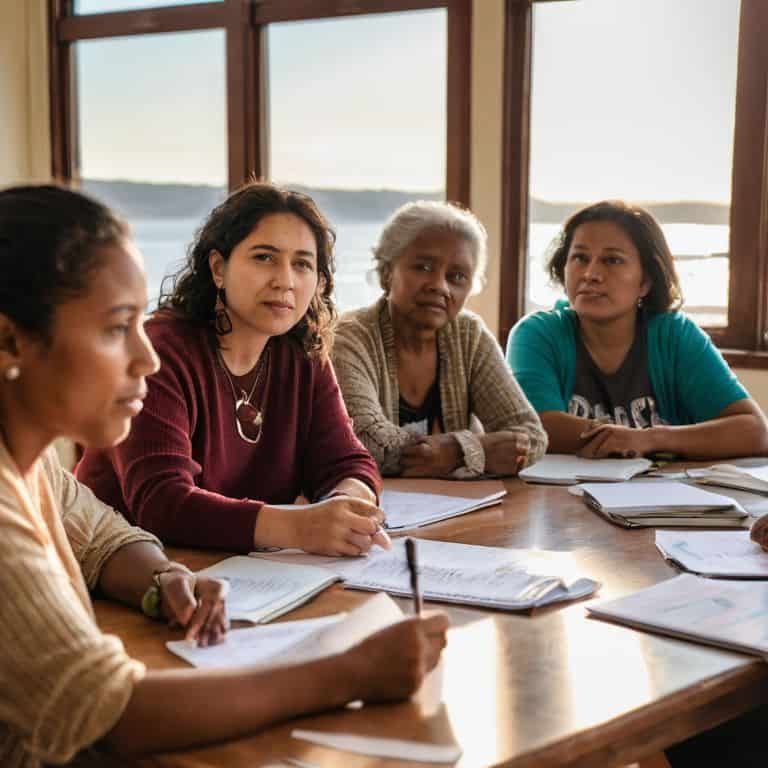
As I delve into the world of microfinance, I’m reminded of the importance of financial literacy programs for women. These initiatives not only empower individuals but also have a ripple effect on their families and communities. By providing access to education and resources, we can help level the playing field and create a more equitable financial landscape. I’ve seen this firsthand in my coastal hometown, where local organizations have launched programs to teach financial basics and provide support for small business owners.
When it comes to accessing financial services, mobile banking for underbanked communities has been a game-changer. This technology has opened up new avenues for people to manage their finances, make transactions, and even access small business loan options. However, it’s crucial to consider the digital payment systems for microtransactions that support these services, ensuring they are secure, efficient, and user-friendly.
In my experience as a Certified Financial Planner, I’ve worked with clients who have benefited from community-based financial initiatives. These programs often offer more flexible terms and lower interest rates compared to traditional banking institutions. For instance, when comparing microloan interest rates, it’s essential to consider the overall cost and benefits of each option. By doing so, individuals can make informed decisions and set themselves up for long-term financial success.
Microloan Rates Comparison
When it comes to microloans, understanding the rates is crucial. I like to think of it as charting a course through financial waters, where every percentage point counts. A small difference in interest rates can significantly impact the overall cost of the loan.
To make informed decisions, it’s essential to do a microloan rates comparison. This involves researching and analyzing the rates offered by different lenders, considering factors such as loan terms and repayment flexibility. By doing so, individuals can find the best fit for their financial situation and navigate the microfinance landscape with confidence.
Mobile Banking for Underbanked
As I’ve sailed through the world of finance, I’ve seen how mobile banking has become a game-changer for underserved communities. It’s like having a compass that always points towards financial stability, even in the most turbulent of economic seas. With mobile banking, individuals can access financial services right from their smartphones, making it easier to manage their finances on the go.
This shift towards mobile banking has been particularly significant for the underbanked, providing them with a secure way to store and transfer money, without the need for traditional bank accounts. It’s a lifeline that’s helping to bridge the financial gap, and I’ve witnessed its impact firsthand in coastal towns where access to physical banks can be limited.
Empowering Through Microfinance

As I reflect on my experiences with financial literacy programs for women, I’m reminded of the profound impact that education can have on empowering individuals to take control of their financial lives. By providing women with the tools and knowledge to navigate complex financial systems, we can help bridge the gap in economic opportunities and create a more equitable society. I’ve seen this firsthand in my work with community-based financial initiatives, where women have been able to start their own small businesses and become financially independent.
One of the key challenges in providing financial services to underbanked communities is the lack of access to traditional banking infrastructure. This is where digital payment systems for microtransactions can play a crucial role, enabling individuals to make small transactions and manage their finances more effectively. By leveraging mobile banking technology, we can reach remote and underserved communities, providing them with the financial tools they need to thrive.
Through initiatives like small business loan options, we can help entrepreneurs in underbanked communities access the capital they need to grow and succeed. By comparing microloan interest rates, individuals can make informed decisions about their borrowing options and avoid predatory lenders. By promoting financial inclusion and providing access to affordable credit, we can help create a more prosperous and equitable society, where everyone has the opportunity to succeed.
Digital Payment for Microtransactions
As I sail through the world of microfinance, I’m reminded of the importance of seamless transactions. Digital payment systems have revolutionized the way we make microtransactions, allowing for faster and more secure exchanges. This has been a game-changer for small businesses and individuals who rely on microfinance to make ends meet.
In the context of microfinance, mobile wallets have become increasingly popular, enabling users to make small payments with ease. This technology has opened up new avenues for financial inclusion, allowing people to participate in the formal economy even with limited access to traditional banking services.
Financial Literacy for Women
As I reflect on my experiences with microfinance, I’m reminded of the importance of financial literacy in empowering women to take control of their economic lives. Growing up in a small coastal town, I saw how my mother managed the finances of our family bookstore, and it’s a skill that has stuck with me to this day. I believe that by educating women on personal finance and money management, we can help them make informed decisions about their financial futures.
By providing women with access to financial education, we can help bridge the economic gap and create a more equitable society. This can be as simple as teaching women how to create a budget, invest in their future, or start their own businesses – all essential skills for navigating the choppy waters of finance.
Staying Afloat: 5 Key Tips for Navigating Microfinance
- Keep a weather eye on interest rates: shop around for the best microloan rates to avoid getting anchored down by debt
- Diversify your financial fleet: consider a mix of savings, investments, and insurance to protect yourself from life’s unexpected storms
- Learn to read the financial tides: understanding your credit score and report can help you make informed decisions about your microfinance options
- Don’t sail solo: look for microfinance institutions that offer financial education and support to help you stay on course
- Chart a steady course: create a budget and stick to it, using the 50/30/20 rule as your compass to allocate your income towards necessities, discretionary spending, and saving
Key Takeaways: Charting Your Financial Course
I’ve learned that microfinance initiatives can be a powerful tool for individuals and communities to gain access to financial services, much like how a sturdy anchor holds a ship in place during turbulent seas
By understanding the ins and outs of mobile banking, microloan rates, and digital payments, you can make informed decisions to secure your financial future, just as a skilled sailor navigates through treacherous waters
Empowering oneself through financial literacy, especially for underrepresented groups, is crucial in building a stable financial foundation, and with the right knowledge and resources, you can set sail towards a brighter, more prosperous horizon
Charting a New Course
Microfinance is like setting sail into open waters – it’s a journey that requires courage, resilience, and the right navigational tools, but with the wind of opportunity at your back, you can chart a course to financial freedom and discover new horizons of possibility.
James Hammontree
Setting Sail for a Brighter Financial Future

As we conclude our journey through the world of microfinance, it’s essential to remember the key takeaways from our exploration. We’ve navigated the concept of mobile banking for the underbanked, compared microloan rates, and discussed the importance of financial literacy for women. These aspects of microfinance are crucial in empowering individuals and communities to take control of their financial destinies. By understanding and leveraging these tools, people can begin to build a more stable and secure financial foundation, which is vital for achieving long-term goals and overcoming economic challenges.
As we set sail into the future, let’s hold onto the idea that microfinance can be a powerful anchor in turbulent economic waters. It’s a reminder that even the smallest financial steps can lead to significant positive change. By supporting and expanding microfinance initiatives, we can create a ripple effect of economic opportunity that touches lives and communities worldwide. So, let’s continue to chart this course together, inspired by the potential of microfinance to transform lives and bring people closer to their dreams of financial freedom.
Frequently Asked Questions
How do microfinance institutions ensure that their services are accessible to underserved populations in remote or rural areas?
I’ve seen microfinance institutions use innovative approaches, like partnering with local community groups or utilizing mobile banking technology, to reach underserved populations in remote areas – it’s like sailing into uncharted waters, they’re finding new routes to provide vital financial services.
What are the typical requirements for an individual or small business to qualify for a microloan, and how do these vary between different microfinance providers?
To qualify for a microloan, individuals or small businesses typically need a solid business plan, decent credit, and a clear repayment strategy. Requirements can vary between providers, but most ask for proof of income, ID, and sometimes collateral. I’ve seen some microfinance institutions require business training or mentoring as well, which can be a great resource for new entrepreneurs.
Can microfinance initiatives be scaled up to have a significant impact on reducing poverty and improving economic outcomes at a national or global level?
I firmly believe that microfinance can be a game-changer on a grand scale, just like a well-charted course can lead to a successful voyage. By replicating and expanding successful models, we can create a ripple effect that improves economic outcomes and reduces poverty globally, ultimately empowering millions to take control of their financial futures.

Leave a Reply
You must be logged in to post a comment.