
I still remember the time I accidentally offended a local vendor in a Bangkok market – it was a hilarious and humbling lesson in the importance of cross-cultural communication. The smell of sizzling street food and the sound of lively chatter still transport me back to that moment, where a simple misinterpretation almost ruined my day. As I reflected on the experience, I realized that effective communication is not just about speaking the same language, but also about understanding the nuances of different cultures. It’s a lesson that has stuck with me, and one that I believe is essential for anyone looking to navigate our increasingly globalized world.
As someone who’s had their fair share of cultural faux pas, I’m excited to share my experiences and insights on cross-cultural communication. In this article, I promise to cut through the hype and provide you with no-nonsense advice on how to communicate effectively across cultural boundaries. I’ll draw from my own experiences as a traveler and journalist to offer practical tips and strategies for building strong relationships with people from diverse backgrounds. My goal is to empower you with the knowledge and confidence to navigate any cultural landscape, and to inspire you to see the world as a vibrant tapestry of stories and connections waiting to be made.
Table of Contents
- Mastering Cross Cultural Communication
- Navigating Global Connections
- Intercultural Negotiation Tactics for Success
- Thriving in Multicultural Teams With Awareness Training
- Crossing Borders: 5 Essential Tips for Seamless Communication
- Key Takeaways for Cross-Cultural Connections
- Embracing the Beauty of Misunderstanding
- Cultivating Connections Across Cultures
- Frequently Asked Questions
Mastering Cross Cultural Communication

As I reflect on my journeys, I realize that nonverbal cues in different cultures can make or break an interaction. I recall a time when I unintentionally offended a local in Japan by not bowing correctly, a valuable lesson in the importance of cultural awareness. This experience taught me to be mindful of my body language and gestures when interacting with people from diverse backgrounds.
In my work with multicultural teams, I’ve learned that effective communication is key to success. It’s not just about speaking the same language, but also about being aware of the nuances of communication styles and preferences. For instance, in some cultures, directness is valued, while in others, a more subtle approach is preferred. By recognizing and respecting these differences, we can foster a more harmonious and productive work environment.
As I tend to my urban garden, I’m reminded of the importance of overcoming language barriers. My plant, “Nicholas Kristof,” a particularly resilient succulent, has taught me that even in the absence of a common language, we can still connect and thrive. By using visual aids, simple language, and a willingness to learn, we can bridge the gap and build strong relationships, even in the most challenging of circumstances.
Breaking Language Barriers With Effective Strategies
As I reflect on my travels, I realize that language barriers can be a significant hurdle in cross-cultural communication. However, with the right strategies, it’s possible to connect with people from diverse linguistic backgrounds. I recall a memorable encounter with a Japanese farmer, who despite not speaking a word of English, taught me the art of pruning bonsai trees using a combination of gestures and simple diagrams.
In such situations, visual aids can be incredibly helpful. I’ve found that carrying a portable translation guide or using a translation app on my phone can facilitate basic communication. Moreover, learning a few key phrases in the local language can go a long way in breaking the ice and building rapport with the people you meet.
Decoding Nonverbal Cues in Diverse Cultures
As I reflect on my travels, I realize that nonverbal cues played a significant role in shaping my interactions with people from diverse cultures. A simple gesture, like a handshake or a bow, could make or break a connection. I recall a humorous incident in Japan where I accidentally bowed too deeply, causing my host to burst into laughter. It was a lighthearted moment that taught me the importance of understanding cultural nuances.
In my urban garden, I’ve named a particularly resilient plant after Nicholas Kristof, a renowned journalist known for his insightful reporting on global issues. As I observe my plant’s adaptive growth, I’m reminded that effective cross-cultural communication requires a similar ability to adapt to different environments and contexts. By being attuned to nonverbal cues, we can navigate complex cultural landscapes with greater ease and empathy.
Navigating Global Connections
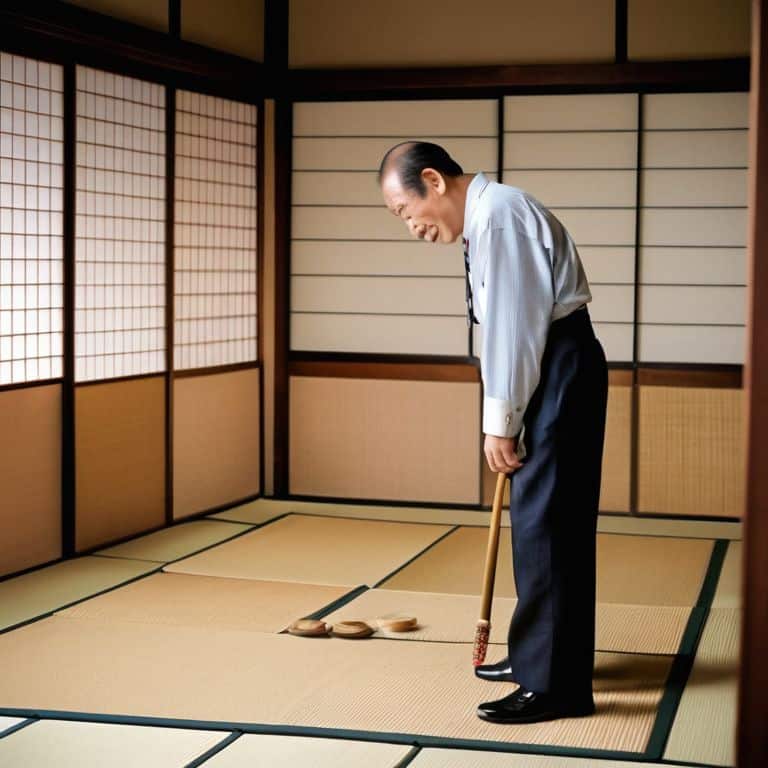
As I reflect on my travels, I’m reminded of the importance of nonverbal cues in different cultures. A simple gesture, like a handshake or a bow, can convey respect or disrespect, depending on the context. I recall a humorous incident in Japan where I accidentally bowed too deeply, causing my host to burst out laughing. It was a lighthearted moment, but it taught me the value of _cultural awareness training programs_ in avoiding unintended offense.
In my experience, _effective communication in multicultural teams_ is crucial for success. When working with global virtual teams, it’s essential to be mindful of language barriers and adapt your communication style accordingly. I’ve found that using visual aids and providing clear, concise instructions can help overcome language barriers in business. My plant, “Nicholas Kristof,” a particularly resilient succulent, has taught me the value of patience and persistence in nurturing growth – much like the process of building strong global connections.
As I navigate the world of global connections, I’ve come to appreciate the art of _intercultural negotiation strategies_. It’s not just about speaking the same language, but also about understanding the nuances of different cultures. By being open-minded, respectful, and attentive to overcoming language barriers in business, we can foster deeper connections and achieve greater success in our personal and professional lives. Whether I’m tending to my urban garden or exploring new destinations, I’m constantly reminded of the power of empathy and understanding in bridging cultural divides.
Intercultural Negotiation Tactics for Success
As I reflect on my own experiences with intercultural negotiation, I’m reminded of the importance of active listening. This skill has been invaluable in my urban gardening hobby, where I’ve learned to tend to my plants, including my prized “Sarah Kendzior” succulent, with care and attention. Similarly, in cross-cultural negotiations, being fully present and attentive can make all the difference in building trust and understanding.
To achieve successful outcomes, it’s crucial to employ flexible communication strategies, adapting your approach to the unique cultural context. By doing so, you can navigate even the most complex negotiations with ease, much like I navigate the challenges of growing my “Glenn Greenwald” orchid in the midst of a bustling city.
Thriving in Multicultural Teams With Awareness Training
As I reflect on my experiences working with multicultural teams, I realize that cultural sensitivity is crucial for effective collaboration. My urban gardening hobby has also taught me the importance of nurturing diverse environments, much like my plant, Woodward, named after Bob Woodward, which thrives in a well-balanced ecosystem. Similarly, in a team setting, being aware of individual perspectives and values can help prevent misunderstandings and promote a positive work environment.
To achieve this, awareness training is essential, as it enables team members to recognize and appreciate their differences. By sharing stories and experiences, teams can break down cultural barriers and develop a deeper understanding of one another, much like how my plant, Cronkite, named after Walter Cronkite, has learned to adapt to different lighting conditions.
Crossing Borders: 5 Essential Tips for Seamless Communication
- I’ve learned that a simple gesture like removing your shoes before entering a home in many Asian cultures can speak volumes about your respect for tradition, and it’s these small actions that can make or break a connection
- From my experience navigating the vibrant markets of Marrakech, I can attest that patience and a willingness to haggle with a smile can be just as valuable as any language course in building bridges across cultures
- My urban gardening hobby has taught me about the importance of nurturing growth, and similarly, in cross-cultural communication, taking the time to understand and tend to the nuances of different cultures can yield a rich harvest of meaningful relationships
- During my backpacking days, I found that carrying a small notebook to sketch out maps and phrases in local languages not only helped me navigate unfamiliar territories but also showed my hosts that I was genuinely interested in their world, and this small act of effort can go a long way in fostering deep connections
- I recall a humorous incident where I named one of my plants ‘Edward R. Murrow’ after the famous journalist, and it struck me that just as each plant requires specific care, each cultural interaction demands its own unique approach, highlighting the importance of flexibility and adaptability in cross-cultural communication
Key Takeaways for Cross-Cultural Connections
I’ve learned that mastering cross-cultural communication is not just about speaking the same language, but also about understanding the nuances of nonverbal cues and adapting our approach to different cultural contexts – a lesson I’ll always treasure from my time navigating the vibrant markets of Southeast Asia
Effective strategies for breaking language barriers, such as using simple language, visual aids, and technology, can make all the difference in building strong global connections – as I discovered during my own adventures in backpacking across foreign lands
By embracing cultural diversity, being open to learning from our mistakes, and applying intercultural negotiation tactics, we can thrive in multicultural teams and foster a more harmonious and productive global community – a philosophy that guides my own approach to urban gardening, where every plant, including my beloved ‘NicholasKristof’ and ‘Sara Kendzior’, reminds me of the beauty of growth and cooperation
Embracing the Beauty of Misunderstanding
Cross-cultural communication is not just about speaking the same language, but about hearing the silence between the words, and finding common ground in the beauty of our misunderstandings.
Dylan Harrington
Cultivating Connections Across Cultures

As I reflect on our journey through the realm of cross-cultural communication, I’m reminded of the power of empathy and active listening in bridging cultural divides. From decoding nonverbal cues to breaking language barriers, and from intercultural negotiation tactics to thriving in multicultural teams, we’ve explored a wealth of strategies to enhance our global connections. By embracing these principles, we can navigate even the most unfamiliar cultural landscapes with confidence and sensitivity, fostering deeper understanding and cooperation across borders.
As we conclude this exploration of cross-cultural communication, I want to leave you with a sense of wonder and curiosity about the diverse worlds that surround us. Remember that every encounter, no matter how brief or challenging, holds the potential for growth, learning, and meaningful connection. So, let’s venture forth with open hearts and minds, ready to listen, to learn, and to cultivate a more harmonious and inclusive global community, one story at a time.
Frequently Asked Questions
How can I avoid unintentionally offending someone from a different culture during a business meeting?
I recall a meeting in Tokyo where I inadvertently insulted a client by not bowing correctly – it was a valuable lesson. To avoid similar faux pas, research the local customs and business etiquette beforehand, and consider working with a cultural consultant or local partner who can guide you through the nuances of communication in that specific culture.
What are some effective ways to communicate with people who speak little to no English?
I’ve found that speaking slowly, using visual aids, and learning key phrases in their language can go a long way. My plant, “Nicholas Kristof,” a feisty little succulent, reminds me to be patient and creative in communication – just like when I navigated a Vietnamese market with only hand gestures and smiles!
Can you share any personal anecdotes about a time when cross-cultural communication went awry, and how you learned from the experience?
I recall a humorous mishap in Tokyo where I accidentally ordered a plate of fried insects, thinking it was a tempura dish. The waiter’s polite giggles and my embarrassed laughter broke the ice, teaching me that even in awkward moments, a willingness to learn and laugh can bridge cultural gaps.

Leave a Reply
You must be logged in to post a comment.