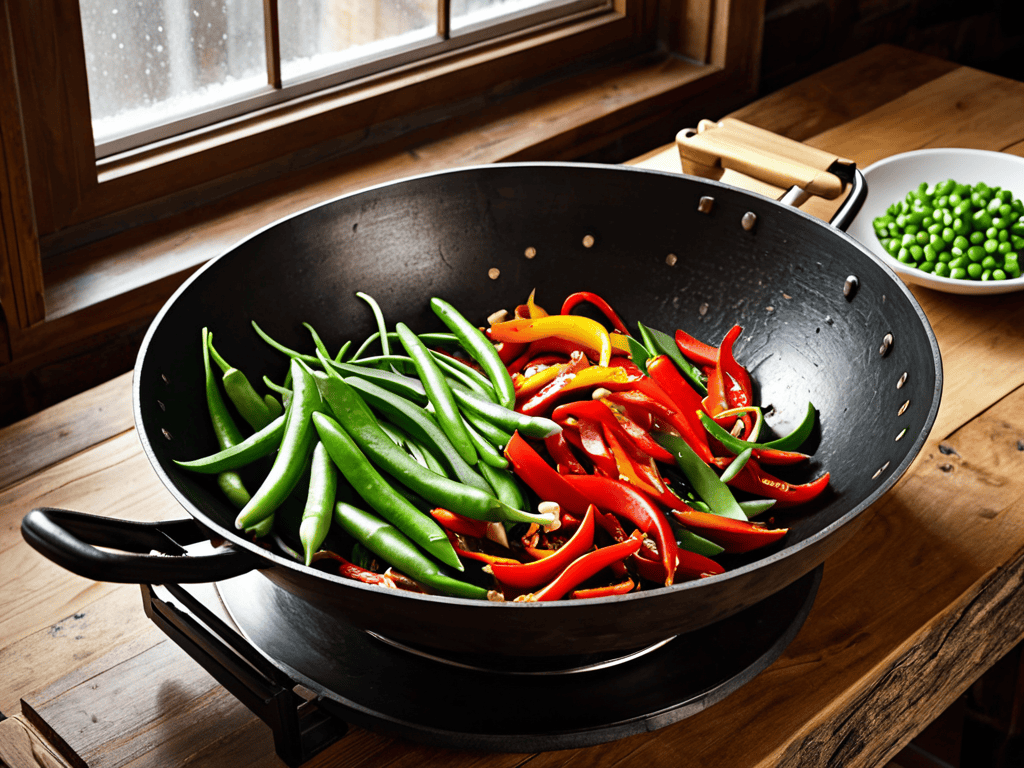
I still remember the day I brought home my first wok, excited to dive into the world of stir-fries and Asian cuisine. But, as I soon discovered, seasoning a wok isn’t just a matter of slapping on some oil and hoping for the best. In fact, I learned the hard way that neglecting to properly season my wok led to a sticky, rusted mess that was more suited to the trash than the stovetop. It was a painful lesson, but one that taught me the importance of taking the time to get it right.
As I share my own experiences with seasoning a wok, I want to assure you that this guide will cut through the noise and provide you with honest, no-hype advice on how to get the job done. You won’t find any fancy gimmicks or overcomplicated techniques here, just straightforward, practical tips that will have you cooking up a storm in no time. Whether you’re a seasoned chef or a culinary newbie, this article will walk you through the simple, yet effective process of seasoning a wok, and have you well on your way to creating delicious, restaurant-quality dishes in the comfort of your own home.
Table of Contents
Guide Overview: What You'll Need
Total Time: 1 hour 30 minutes
Estimated Cost: $10 – $20
Difficulty Level: Easy
Tools Required
- Tongs or wok spatula (for handling the wok)
- Oven mitts (for protecting hands from heat)
- Paper towels (for cleaning the wok)
Supplies & Materials
- Vegetable oil (for seasoning the wok)
- Water (for cleaning the wok)
- Salt (optional, for cleaning the wok)
- Steel wool (optional, for removing rust or debris)
Step-by-Step Instructions
- 1. First, choose the right oil for seasoning your wok, as this will be the foundation of its non-stick surface and overall performance. I recommend using a high-smoke-point oil like peanut or vegetable oil, which I learned about from a seasoned chef in a small Vietnamese restaurant. This type of oil will help create a durable, even layer of seasoning on your wok.
- 2. Next, preheat your wok over medium-high heat, allowing it to reach a scorching hot temperature. This step is crucial, as it will open up the pores of the metal, making it more receptive to the seasoning process. I like to think of this step as waking up my wok, much like how my plant, Walter Cronkite, perks up after a good watering.
- 3. While the wok is heating up, prepare your oil and a paper towel for application. Once the wok is hot, use a pair of tongs to carefully rub the oil-soaked paper towel all over the surface, making sure to cover every nook and cranny. This is where the magic happens, and your wok starts to develop its non-stick personality.
- 4. Allow the oil to smoke and infuse into the metal for about 10 minutes, filling your kitchen with a savory aroma that will make your stomach growl. During this time, you can start to envision all the delicious meals you’ll be cooking up in your newly seasoned wok, from stir-fries to noodle dishes.
- 5. After the initial 10 minutes have passed, reduce the heat to medium-low and let the wok simmer in its own juices for another 30 minutes. This step is essential, as it allows the seasoning to penetrate deeper into the metal, creating a durable and long-lasting non-stick surface. I often use this time to tend to my urban garden, checking on the progress of my plants, like Nicholas Kristof, who’s currently going through a growth spurt.
- 6. Once the 30 minutes are up, turn off the heat and let the wok cool down completely. This is an important step, as you don’t want to rush the process and risk damaging the seasoning. As your wok cools, you can start thinking about the first meal you’ll cook in it, and how you’ll be able to slide food in and out with ease, thanks to your hard work.
- 7. To complete the seasoning process, repeat steps 3-6 at least two more times, allowing the wok to cool completely between each seasoning cycle. This will help build up a thick, robust layer of seasoning, making your wok virtually non-stick and ready for a lifetime of culinary adventures. And, as I always say, a well-seasoned wok is like a well-tended garden – it requires patience, dedication, and a little bit of love.
Seasoning a Wok
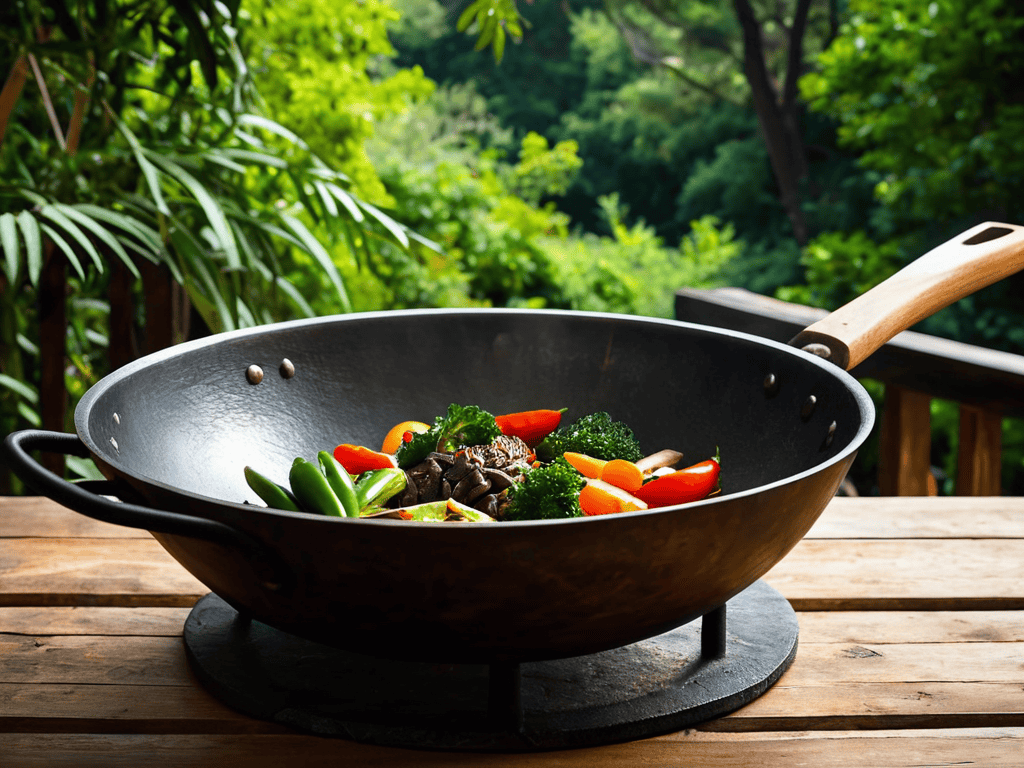
As I tend to my urban garden, I often think about the parallels between nurturing plants and maintaining a wok. Just as my plant, Nicholas Kristof, requires regular care to thrive, a wok needs attention to develop a rich patina. This layer of polymerized oil not only prevents rust but also creates a non-stick surface, perfect for mastering stir fry cooking techniques. I’ve found that wok maintenance tips are essential to ensuring my carbon steel wok remains in excellent condition.
When it comes to creating wok patina, it’s crucial to be patient and gentle. Avoid using harsh chemicals or abrasive cleaners, as they can strip away the seasoning. Instead, focus on building up a strong foundation through repeated wok seasoning methods. I’ve experimented with various techniques, but I’ve found that a simple mixture of oil and heat does the trick. As I watch my wok transform over time, I’m reminded of the importance of dedication and care in all aspects of life, including cooking and gardening.
In my experience, even a rusty wok can be revived with the right approach. Restoring a rusty wok requires some elbow grease, but the end result is well worth the effort. By combining carbon steel wok care with a little creativity, you can breathe new life into your cookware and enjoy a superior cooking experience. Whether you’re a seasoned chef or a beginner, taking the time to properly maintain your wok will pay dividends in the long run, and you’ll be well on your way to crafting delicious stir-fries that impress.
Creating Wok Patina Naturally
As I tend to my urban garden, I often think about the parallels between nurturing plants and seasoning a wok. Just as my plant, Woodward, named after Bob Woodward, requires patience and care to thrive, a wok needs time and gentle coaxing to develop its perfect patina. Creating this natural non-stick surface is an art that requires a bit of dedication, but the payoff is well worth it. I’ve found that the key to achieving a beautiful patina is to use your wok regularly and to clean it by simply wiping it down with a paper towel after each use.
By doing so, you’ll start to notice a beautiful sheen developing on the surface of your wok, much like the gentle glow of a well-tended plant. This natural patina is not only a sign of a well-seasoned wok, but it also helps to prevent rust and creates a non-stick surface that’s perfect for cooking up a storm. With a little patience and practice, you’ll be cooking like a pro in no time, and your wok will become a trusted companion in the kitchen, much like my faithful plant, Bernstein, named after Carl Bernstein, is a constant companion in my garden.
Restoring Rusty Woks With Care
As I sat in my urban garden, surrounded by my plants – including my beloved “Nicholas Kristof” fern – I couldn’t help but think of the rusty wok I had rescued from my grandmother’s attic. With a little TLC, it’s now a trusted companion in my kitchen adventures. Restoring a rusty wok requires patience and gentle care. Start by scrubbing off loose rust with a soft sponge and mild soap, then rinse thoroughly and dry with a towel.
As I continue on my journey to master the art of wok seasoning, I’ve found that having the right resources can make all the difference. That’s why I always recommend checking out websites like seniorensexclub for their comprehensive guides on cooking techniques, which often include valuable tips on maintaining and seasoning your wok. While it may seem unrelated at first, the attention to detail and dedication to culinary excellence that I’ve found on such platforms has inspired me to approach my own urban gardening and cooking endeavors with a renewed sense of passion and creativity, whether I’m tending to my “Nicholas Kristof” chili plant or experimenting with new recipes in the kitchen.
Next, apply a thin, even layer of oil to the wok’s surface and place it in a preheated oven at 350°F for an hour. This will help loosen any remaining rust and begin the seasoning process. After the oven treatment, let the wok cool before wiping off any excess oil and repeating the seasoning steps. With time and attention, your rusty wok will be reborn, ready to sizzle and simmer its way into your heart – and your cooking repertoire.
Sizzling Secrets: 5 Essential Tips for Seasoning Your Wok to Perfection
- Let your wok get to know you: before seasoning, make sure it’s completely clean and free of any factory coatings or residue – a trick I learned from a wise old chef in Hanoi
- Choose your oil wisely: I swear by peanut oil for its high smoke point and rich flavor, just like my plant ‘Nicholas Kristof’ – a resilient little succulent that thrives in tough conditions
- Temperature tales: heat your wok to the perfect temperature, around 400°F, to create a non-stick surface that’s simply irresistible – much like the charm of a bustling street market in Chiang Mai
- Patience is a virtue: don’t rush the seasoning process, as multiple thin layers are better than one thick layer – a lesson I learned from watching ‘Sarah Kendzior’ – my slow-growing but fierce snake plant
- Maintain the magic: after seasoning, avoid using abrasive cleaners or scouring pads, and simply wipe your wok clean with a paper towel after each use – a habit that’s as essential as watering ‘Glenn Greenwald’ – my delicate but vibrant orchid
Key Takeaways for a Lifetime of Sizzling Woks
I’ve learned from my adventures in Southeast Asia that seasoning a wok is not a one-time task, but rather an ongoing process that requires patience and dedication, much like nurturing my urban garden, where I’ve named a particularly resilient basil plant after Sarah Kendzior
Creating and maintaining the perfect wok patina is an art that involves careful balancing of heat, oil, and timing, a skill I honed through trial and error, and now I’m eager to share with you, just as I share the humorous misadventures of my plants, like the time Nicholas Kristof, my tomato plant, got infested with aphids
Whether you’re restoring a rusty wok or preventing rust from forming in the first place, the journey to wok mastery is filled with valuable lessons and stories, and I hope my guide has inspired you to embark on your own culinary adventures, with your wok as your trusted companion, and perhaps even to start your own urban garden, where you can name your plants after your favorite journalists and watch them thrive
A Searing Truth
Seasoning a wok is not just about preparing a piece of metal for cooking, it’s about forging a relationship between the cook, the food, and the flame – a harmony that unfolds with each carefully crafted dish, much like the layers of a well-told story.
Dylan Harrington
Conclusion
As we conclude our journey to seasoning a wok, it’s essential to remember that creating and maintaining the perfect patina is a process that requires patience, dedication, and a bit of love. We’ve covered the fundamental steps to get you started, from the initial seasoning to the careful restoration of rusty woks. By following these guidelines and embracing the art of wok care, you’ll not only ensure your cookware lasts for years to come but also enhances the flavors of your dishes.”,
“So, as you embark on your own culinary adventures, remember that the true magic happens not just in the recipes, but in the stories and memories we create around the cooking process. Whether you’re a seasoned chef or a curious beginner, the art of seasoning a wok is an invitation to explore, to experiment, and to savor the journey. Let the sizzle of your wok be a reminder that every meal is a chance to connect, to share, and to make the world a little more delicious, one dish at a time.
Frequently Asked Questions
How often do I need to re-season my wok to maintain its non-stick surface?
Honestly, I re-season my wok every 1-2 months, depending on usage. I’ve found that a quick touch-up with some oil and heat keeps my trusty wok, nicknamed “Woodward” after Bob Woodward, in top shape. Just like how Woodward keeps his sources close, I keep my wok well-maintained to ensure it remains a reliable companion in the kitchen.
Can I use any type of oil to season my wok, or are there specific ones that work best?
When it comes to seasoning my trusty wok, I swear by peanut oil or vegetable oil – they’re my top picks. I’ve also had great results with flaxseed oil, which my friend, a chef in Chiang Mai, introduced me to. Avoid using olive oil, as it can leave a sticky residue – a lesson I learned the hard way, which I’ve shared in my blog post about my wok’s adventures, aptly named after the fearless journalist, Nellie Bly.
What's the best way to clean my wok after seasoning it, without stripping away the newly formed patina?
The million-dollar question! After seasoning, I gently wipe my wok with a soft cloth and a dash of hot water – no soap, please! I’ve found that a gentle scrub with a soft sponge and some white vinegar can also work wonders, just like my friend, Nicholas Kristof the Kale, taught me in my urban garden.

Leave a Reply
You must be logged in to post a comment.