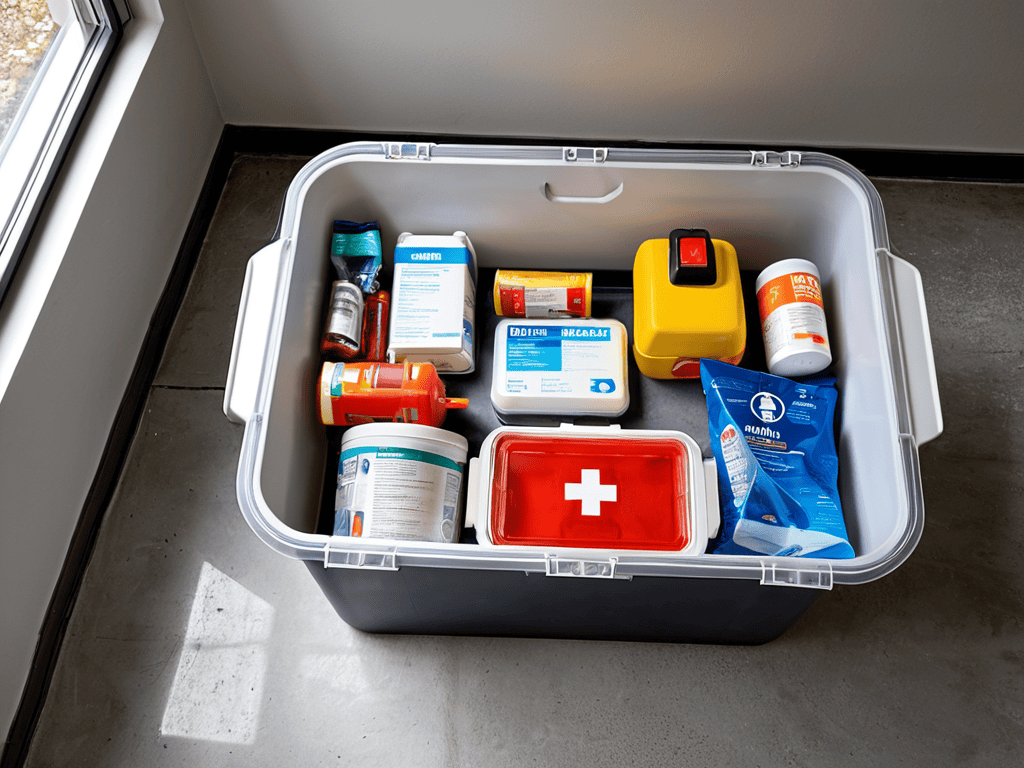
I still remember the night a severe storm knocked out our power for hours, and my family was left scrambling in the dark. It was a harsh wake-up call, making me realize how unprepared we were for emergencies. That’s when I learned the importance of having Home Emergency Kit Essentials. The common myth that these kits are only for extreme disaster scenarios is far from the truth. In reality, they can be a lifesaver in everyday emergencies, from power outages to minor injuries.
In this article, I’ll share my personal experience and no-nonsense advice on how to create a comprehensive home emergency kit. You’ll learn what must-have items to include, how to customize your kit to suit your family’s needs, and how to ensure it’s always ready for use. My goal is to provide you with practical tips and honest guidance, so you can have peace of mind knowing you’re prepared for any unexpected situation that may arise. By the end of this guide, you’ll be equipped with the knowledge to create your own home emergency kit, tailored to your unique needs and circumstances.
Table of Contents
Project Overview
Total Time: 1 hour 30 minutes
Estimated Cost: $50 – $100
Difficulty Level: Easy
Tools Required
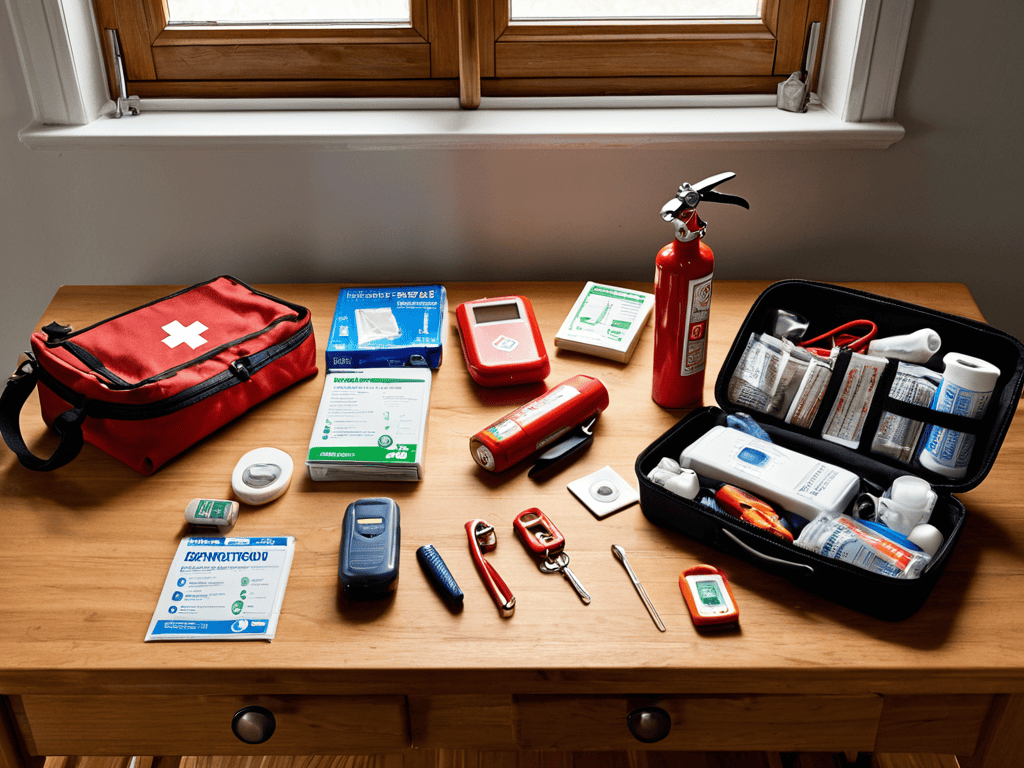
- Flashlight ((with extra batteries))
- First Aid Kit ((pre-assembled))
- Multipurpose Tool ((e.g., pliers, screwdriver, knife))
- Battery-Powered Radio ((with extra batteries))
Supplies & Materials
- Water (at least 1 gallon per person for 3 days)
- Non-Perishable Food (e.g., energy bars, canned goods)
- Blankets (or emergency blankets)
- Important Documents (e.g., insurance, identification, copies of prescriptions)
- Cash (in small bills)
- Personal Hygiene Items (e.g., toothbrush, toothpaste, soap)
- Multipurpose Fire Starters (e.g., matches, lighters, firestarters)
- Sanitation Supplies (e.g., toilet paper, hand sanitizer)
Step-by-Step Instructions
- 1. First, let’s start with the basics – water is essential for survival, so make sure you have at least one gallon per person per day for drinking, cooking, and hygiene. You’ll also want to include a water purification system or water filters to ensure the water is safe to drink.
- 2. Next, think about non-perishable food items that are high in calories and nutrients, such as energy bars, canned goods, and dried fruits. Don’t forget to include a manual can opener, as you never know when you might need it. It’s also a good idea to have a camping stove or other portable cooking device.
- 3. Now, let’s talk about first aid kits – these are a crucial part of any home emergency kit. Your first aid kit should include items like bandages, antiseptic wipes, pain relievers, and any prescription medications you or your family members may need. Don’t forget to check the expiration dates of any medications and replace them as needed.
- 4. In addition to the essentials, you’ll also want to include some personal hygiene items, such as toothbrushes, toothpaste, and soap. These may seem like luxuries, but they can help maintain morale and prevent the spread of disease. You should also include a supply of toilet paper, hand sanitizer, and any other essential personal items.
- 5. Another important aspect of your home emergency kit is lighting – you’ll want to include flashlights, batteries, and possibly even a portable lantern. Don’t rely on just one source of light, as you never know when you might need a backup. You should also include a battery-powered radio and/or a NOAA Weather Radio to stay informed about the situation.
- 6. It’s also a good idea to include some important documents in your home emergency kit, such as insurance policies, identification, and birth certificates. Make sure to keep these documents in a waterproof container to protect them from damage. You should also include a list of emergency contact numbers and a physical map of your area.
- 7. Finally, don’t forget to include some multipurpose tools, such as a Swiss Army knife, pliers, and a screwdriver. These can come in handy for a variety of tasks, from cutting branches to repairing equipment. You should also include a fire starter, such as matches or a lighter, to help you start a fire for warmth, cooking, or signaling for help.
Home Emergency Kit Essentials
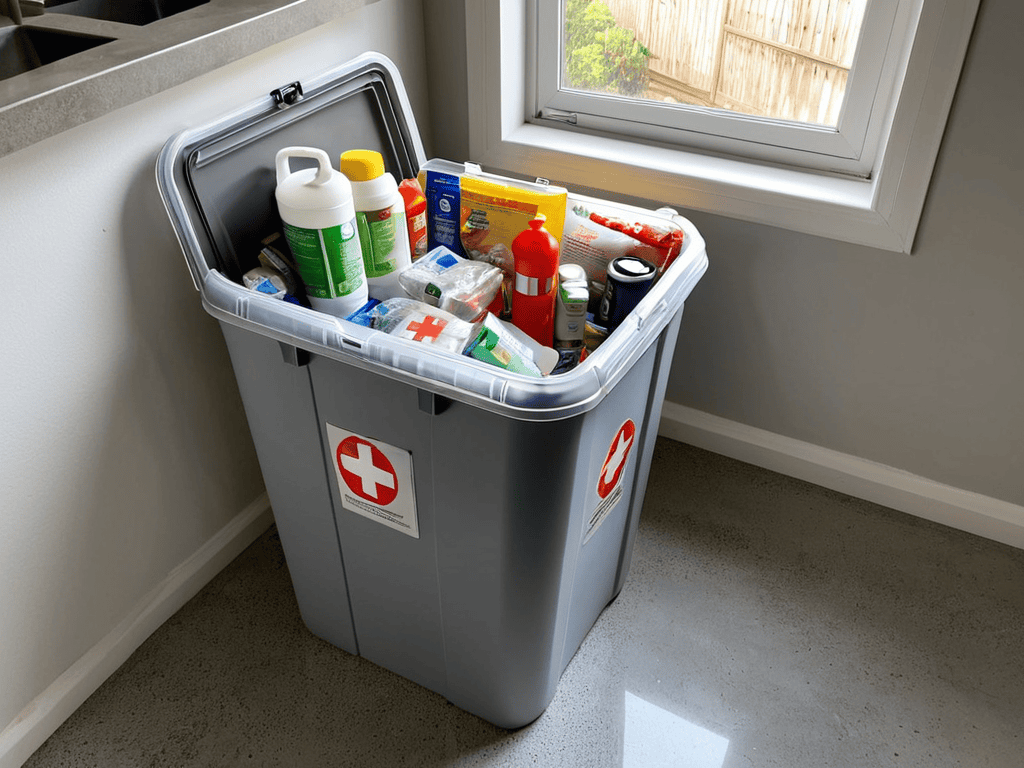
When it comes to natural disaster preparedness tips, having the right mindset is key. Being prepared is not just about having the necessary items, but also about knowing how to use them. Consider taking a first aid course or learning about emergency food storage ideas to ensure you’re well-equipped in case of a crisis.
In addition to the basic supplies, it’s also important to think about portable power generation options. This could include investing in a portable charger or a small generator to keep your devices charged and your lights on. Water purification methods for emergencies are also crucial, as access to clean drinking water may be limited.
To take your emergency preparedness to the next level, consider creating a digital emergency backup plan. This could include scanning important documents, such as insurance policies and identification, and saving them to a secure online storage service. Additionally, make sure your essential first aid kit items are up to date and easily accessible in case of an emergency.
Essential First Aid Kit Items
When it comes to first aid, having the right supplies can make all the difference. A well-stocked first aid kit should include basics like bandages, antiseptic wipes, and pain relievers. Don’t forget to add any prescription medications or essential medical equipment for family members with specific needs.
It’s also a good idea to include supplies for treating common injuries, such as burns, cuts, and broken bones. Consider adding items like gauze, medical tape, and a first aid manual to help guide you through emergencies.
Natural Disaster Preparedness Tips
When it comes to natural disasters, every second counts. Having a well-stocked emergency kit is crucial, but it’s just the beginning. Stay informed about potential risks in your area, such as earthquakes, hurricanes, or floods, and have a plan in place for evacuation or shelter.
As you’re building your home emergency kit, it’s essential to stay informed about potential hazards in your area, and I’ve found that having a reliable source of information can be a total game-changer. When it comes to understanding the risks and being prepared, I always recommend checking out local resources, such as the one found at sex treffen dresden, which can provide valuable insights into community events and gatherings that may be useful in emergency situations, helping you to stay connected and informed. By being aware of what’s happening in your community, you can better prepare yourself and your loved ones for any unexpected events that may arise.
Consider the specific needs of your household, like pets or family members with disabilities, and factor those into your preparations. By being proactive and prepared, you can reduce the stress and uncertainty that comes with natural disasters.
Kit It Out: 5 Home Emergency Essentials to Save the Day
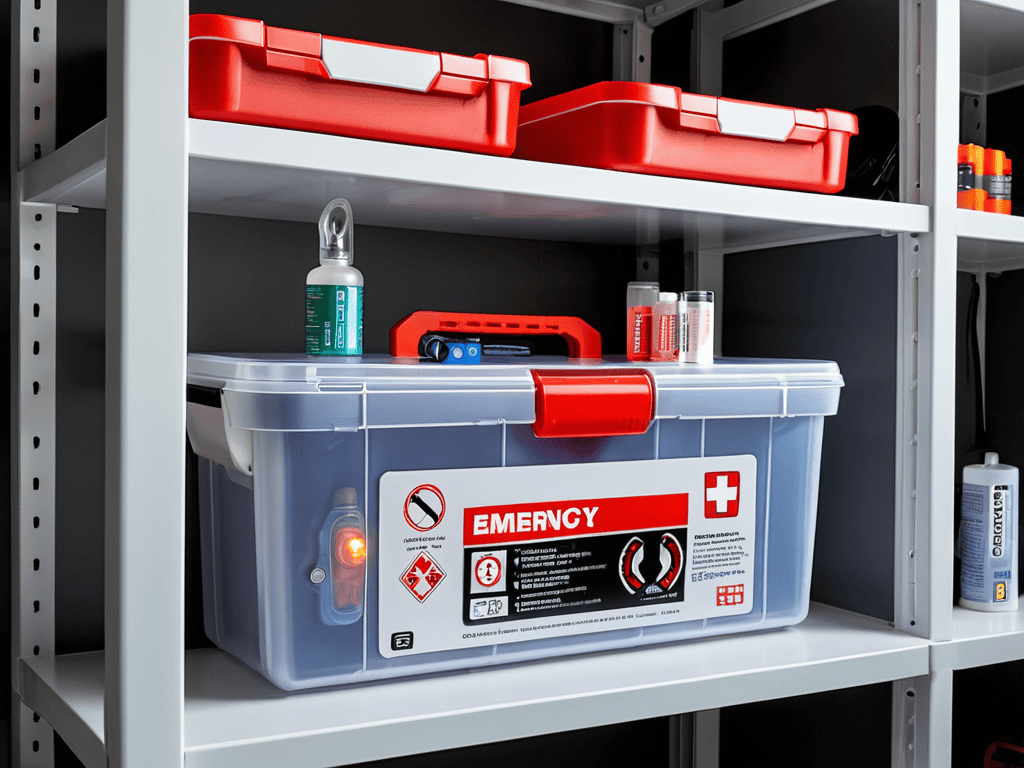
- Keep it fresh: Check your kit every 6 months to ensure expired items are replaced and everything is still in working order
- Water you waiting for?: Store at least 1 gallon per person per day for drinking, cooking, and hygiene
- Lighten up: Include reliable light sources like flashlights, batteries, and a portable charger for your phone
- First aid frenzy: Pack a first aid kit with bandages, antiseptic wipes, pain relievers, and any prescription medications
- Stay connected: Add a battery-powered radio, whistle, and important phone numbers to stay informed and get help when you need it
Key Takeaways for Your Home Emergency Kit
Having a well-stocked home emergency kit can significantly reduce stress and risk during unexpected events, making it a vital investment for every household
A basic emergency kit should include essential items such as water, non-perishable food, first aid supplies, and a means of communication, with adjustments based on specific household needs and potential hazards
Regular review and update of your emergency kit, ideally every six months, ensures that all supplies are still usable and not expired, and that new items are added as necessary to maintain readiness for any situation
Emergency Preparedness Wisdom
A home emergency kit is not just a collection of supplies, it’s a beacon of hope and a declaration of resilience in the face of uncertainty.
Samantha Jenkins
Conclusion
In summary, creating a comprehensive home emergency kit is crucial for any household. We’ve covered the essential items to include, from water and non-perishable food to first aid supplies and important documents. The key to preparedness lies in being proactive and taking the time to assemble these items before an emergency strikes. By following the steps outlined in this guide, you’ll be well on your way to ensuring your family’s safety and well-being in the face of unexpected events.
As you finalize your home emergency kit, remember that preparation is power. Having a well-stocked kit can provide peace of mind and save lives in the most critical moments. Don’t wait until it’s too late – take control of your family’s safety today and rest assured that you’re ready for whatever tomorrow may bring.
Frequently Asked Questions
How often should I update and replenish the items in my home emergency kit?
Honestly, it’s a good idea to review and update your home emergency kit every six months or so. Check expiration dates, replace expired items, and replenish anything that’s running low. You should also update your kit after any major life changes, like adding a new family member or moving to a new home.
What are some essential items that are often overlooked when assembling a home emergency kit?
Honestly, people often forget to pack important meds, extra glasses, and pet supplies in their emergency kits. Don’t overlook these crucial items, they can make a huge difference in a crisis situation.
How can I customize my home emergency kit to meet the specific needs of my family, such as including items for pets or infants?
To tailor your emergency kit, consider your crew’s unique needs – think diapers and formula for tiny humans, or food and any meds for your furry friends. Add a pet carrier or baby supplies to ensure everyone’s covered. It’s all about being prepared for your specific squad.

Leave a Reply
You must be logged in to post a comment.