I still remember the time I found myself in a foreign hospital, struggling to explain my symptoms to a doctor who didn’t speak my language. It was a harsh reality check that made me realize the importance of being prepared when traveling. That’s why I always stress the need for an essential travel first aid kit – it’s not just about carrying band-aids and antiseptic wipes, but about having a safety net that can help you navigate unexpected medical situations on the road.
In this article, I’ll cut through the noise and share my no-nonsense advice on how to build a comprehensive essential travel first aid kit. You’ll learn what items to include, how to pack them efficiently, and what to do in case of a medical emergency. My goal is to provide you with practical tips that you can actually use, rather than just listing a bunch of unnecessary items. By the end of this guide, you’ll be equipped with the knowledge to create your own essential travel first aid kit and travel with confidence, knowing that you’re prepared for any situation that may arise.
Table of Contents
Project Overview
Total Time: 1 hour 15 minutes
Estimated Cost: $50 – $100
Difficulty Level: Easy
Tools Required
- Small Container or Bag ((to hold all the first aid supplies))
- Scissors ((for cutting bandages))
- Tweezers ((for removing splinters))
Supplies & Materials
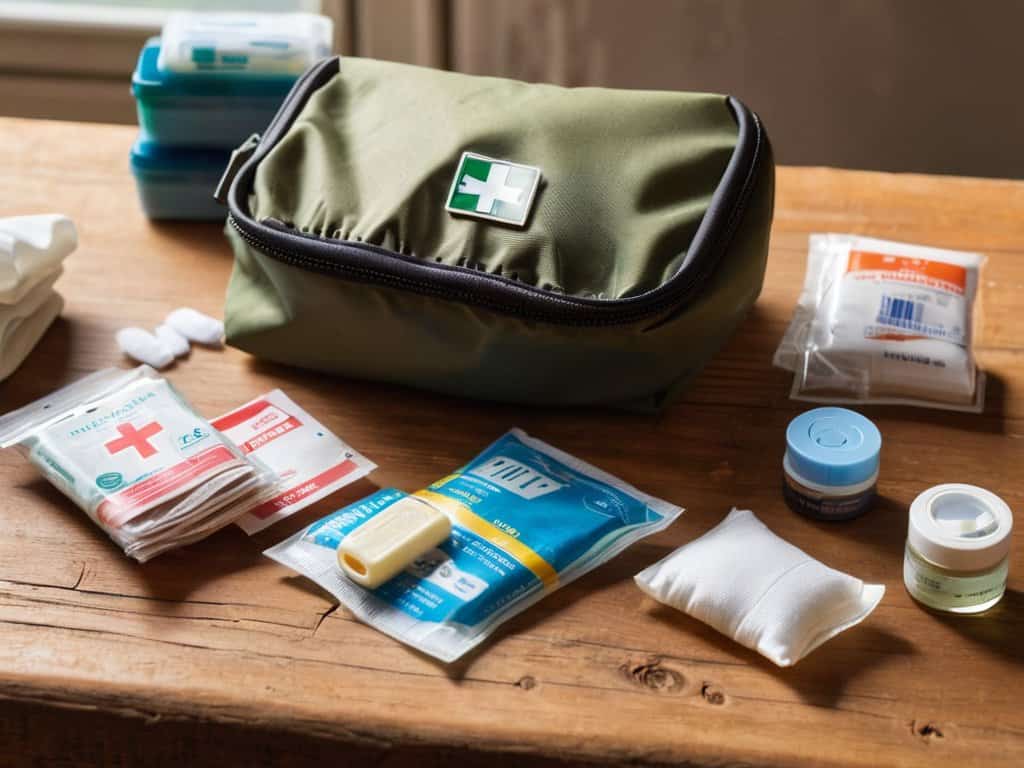
- Bandages ((assorted sizes and types))
- Gauze Pads ((2 inches x 2 inches and 4 inches x 4 inches))
- Medical Tape ((1 roll, 1 inch wide))
- Antiseptic Wipes ((10-20 wipes))
- Pain Relievers ((e.g., acetaminophen or ibuprofen))
- Antihistamines ((for allergic reactions))
- Blister Packs ((for foot blisters))
- First Aid Manual ((a small guidebook))
Step-by-Step Instructions
- 1. First, let’s start with the basics – assessing your needs. Consider the length of your trip, the number of people traveling with you, and any pre-existing medical conditions that may require special attention. This will help you determine what essentials to include in your travel first aid kit.
- 2. Next, gather a sturdy, easy-to-carry container to store your first aid supplies. You can opt for a small backpack or a plastic container with multiple compartments to keep everything organized. Make sure it’s something that can be easily stowed away in your luggage or carried as a separate item.
- 3. Now, let’s talk about the must-haves: bandages and wound care. You’ll want to include a variety of band-aid sizes, gauze pads, medical tape, and scissors. Don’t forget to add some antibiotic ointment to help prevent infections.
- 4. Moving on to medications, it’s essential to pack a selection of over-the-counter remedies. This can include pain relievers like acetaminophen or ibuprofen, antihistamines for allergic reactions, and anti-diarrheal medication. Be sure to check the expiration dates of any medications and replace them as needed.
- 5. In addition to medications, you’ll want to include some personal protective equipment like gloves and a face mask. These can come in handy when treating wounds or providing care to someone who’s ill.
- 6. Another crucial aspect of your travel first aid kit is blister and burn care. Include some moleskin or blister pads to help prevent further irritation, as well as a few burn cream packets or a small tube of silversulfadiazine cream.
- 7. Lastly, don’t forget to add some general medical tools to your kit, such as a thermometer, tweezers, and a small first aid manual. It’s also a good idea to include a list of emergency contact numbers and any relevant medical information, like allergies or medical conditions.
Essential Travel First Aid Kit
When it comes to assembling your travel size medical supplies, it’s crucial to consider the activities you’ll be doing and the environments you’ll be in. For instance, if you’re planning to hike or engage in water sports, you may want to include items like moleskin for blisters or antiseptic wipes for cuts and scrapes. Additionally, if you’re traveling to high-altitude areas, be sure to include medication for altitude sickness in your personal first aid kit checklist.
Overseas travel often requires special consideration when it comes to first aid kits. Research the local healthcare system and travel insurance with medical coverage options before you leave, and pack accordingly. You may also want to consider packing a portable first aid kit that can be easily carried with you in case of emergencies.
In terms of maintaining your kit, it’s a good idea to check expiration dates of any medications and replace them as needed. You should also restock any items that have been used, and consider adding any new items that may be relevant to your specific travel plans. By taking the time to carefully curate your first aid kit, you can ensure that you’re prepared for any situation that may arise, and enjoy a safer, more stress-free trip.
Overseas First Aid Kit Essentials Checklist
When traveling abroad, it’s crucial to consider the local healthcare system and potential language barriers. My overseas first aid kit always includes a few extra items, such as a travel-sized medical dictionary and a list of emergency contact numbers for my destination. I also pack a money belt with some local currency, in case I need to purchase any medications or supplies.
A compact guide to basic first aid phrases in the local language is also a must-have. This small addition can make a huge difference in an emergency situation, helping me to communicate effectively with medical professionals and get the help I need quickly.
Packing Travel Size Medical Supplies
When it comes to assembling your ultimate travel first aid kit, it’s all about being prepared for any situation that may arise. I’ve found that having a comprehensive guide can be a lifesaver, especially when you’re navigating unfamiliar territories. For instance, I always make sure to check out resources like Seksitreffit for tips on how to stay safe while traveling, and I’ve learned that it’s not just about packing the right medical supplies, but also about being aware of your surroundings and taking necessary precautions to avoid accidents. By doing your research and staying informed, you can ensure a fun and stress-free trip, and that’s what it’s all about.
When it comes to packing medical supplies, size matters. I always opt for travel-sized essentials to save space in my luggage. Miniature bandages, antiseptic wipes, and pain relievers are must-haves. I also make sure to include a small supply of any personal medications I may need.
By packing these travel-sized medical supplies, I can ensure I’m prepared for any minor mishaps without weighing myself down. It’s all about striking the right balance between being prepared and avoiding clutter in my bag.
First Aid on the Fly: 5 Essential Tips for Your Travel Kit
- Always pack a portable pain reliever, like acetaminophen or ibuprofen, to help with headaches and other aches
- Include a variety of bandages and band-aids in different sizes to cover minor cuts and scrapes
- Don’t forget antacids or anti-diarrheal medications to soothe stomach issues that can come with traveling
- Add some antiseptic wipes to your kit to keep wounds clean and prevent infection
- Make sure to pack any personal medications, like EpiPens or inhalers, and keep them easily accessible in your travel first aid kit
Key Takeaways for Your Travel First Aid Kit
Packing a travel first aid kit is an often-overlooked but crucial step in preparing for a safe and healthy trip, and including essentials like bandages, antiseptic wipes, and pain relievers can make all the difference
A well-stocked first aid kit can help you respond to minor accidents and illnesses, reducing the risk of more serious complications and ensuring you can enjoy your travels without interruption
By considering your destination, activities, and personal health needs, you can tailor your travel first aid kit to meet your unique requirements, whether that means adding extras like malaria prophylaxis or a portable defibrillator
A Traveler's Wisdom
A good travel first aid kit is not just about packing band-aids and antiseptic wipes, it’s about being prepared for the unexpected and having the confidence to take on any adventure that comes your way.
A Seasoned Traveler
Conclusion
As we’ve explored the world of essential travel first aid kits, it’s clear that having the right medical supplies on hand can make all the difference in an emergency. From packing travel size medical supplies to checking off every item on your overseas first aid kit essentials checklist, being prepared is key. By following these simple steps and considering your specific travel needs, you can create a customized first aid kit that will give you peace of mind on your next adventure.
So as you embark on your next journey, remember that a well-stocked travel first aid kit is not just a precaution, but a declaration of independence – a statement that you’re ready for whatever comes your way. With your essential travel first aid kit by your side, you’ll be free to focus on the thrill of discovery, the beauty of new landscapes, and the joy of connecting with different cultures, all while knowing you’re prepared for any unexpected twists or turns that may come your way.
Frequently Asked Questions
What are the most common medical emergencies that a travel first aid kit should be equipped to handle?
When I’m on the go, I’ve found that most medical emergencies are pretty predictable – think cuts and scrapes, allergic reactions, and stomach bugs. My travel first aid kit is always stocked with supplies to handle these common issues, from bandages and antiseptic wipes to antihistamines and anti-diarrheal meds.
How often should I review and update the contents of my travel first aid kit to ensure it remains relevant and effective?
I like to review my travel first aid kit every 6-12 months to ensure everything is still usable and not expired. It’s also a good idea to check it before each trip to make sure you’re prepared for your specific destination and activities.
Are there any specific medications or equipment that I should include in my travel first aid kit for trips to developing countries or areas with limited medical resources?
For trips to developing countries, I always add antibiotics, antiviral meds, and a portable water purification system to my travel first aid kit – it’s better to be over-prepared when medical help might be scarce.

Leave a Reply
You must be logged in to post a comment.