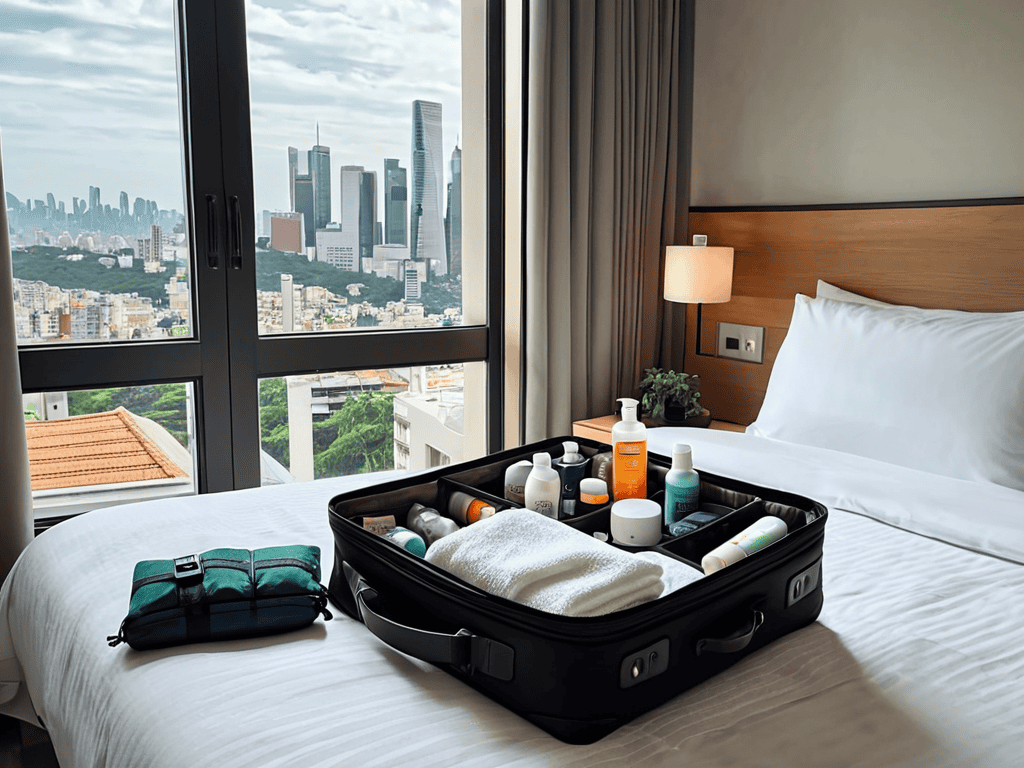
I still remember the time I spent a week in Tokyo, only to find myself stuck in a hotel room with a nasty case of food poisoning. It was a harsh lesson in the importance of a guide to staying healthy and avoiding sickness while traveling. The truth is, getting sick while traveling is not just a minor inconvenience – it can be a major buzzkill that ruins your entire trip. Despite what many people think, it’s not just about being unlucky or having a weak immune system. In reality, there are many simple steps you can take to minimize your risk of illness and stay healthy on the road.
In this article, I’ll share my personal tips and tricks for staying healthy while traveling, from practical precautions to honest advice on how to navigate unfamiliar healthcare systems. You’ll learn how to prepare for your trip, what to watch out for when you’re on the ground, and how to deal with any health issues that may arise. Whether you’re a seasoned traveler or just starting to plan your next adventure, this guide is designed to give you the no-nonsense information you need to stay safe, healthy, and happy on the road.
Table of Contents
Guide Overview: What You'll Need
Total Time: Ongoing during travel
Estimated Cost: $20 – $100
Difficulty Level: Easy
Tools Required
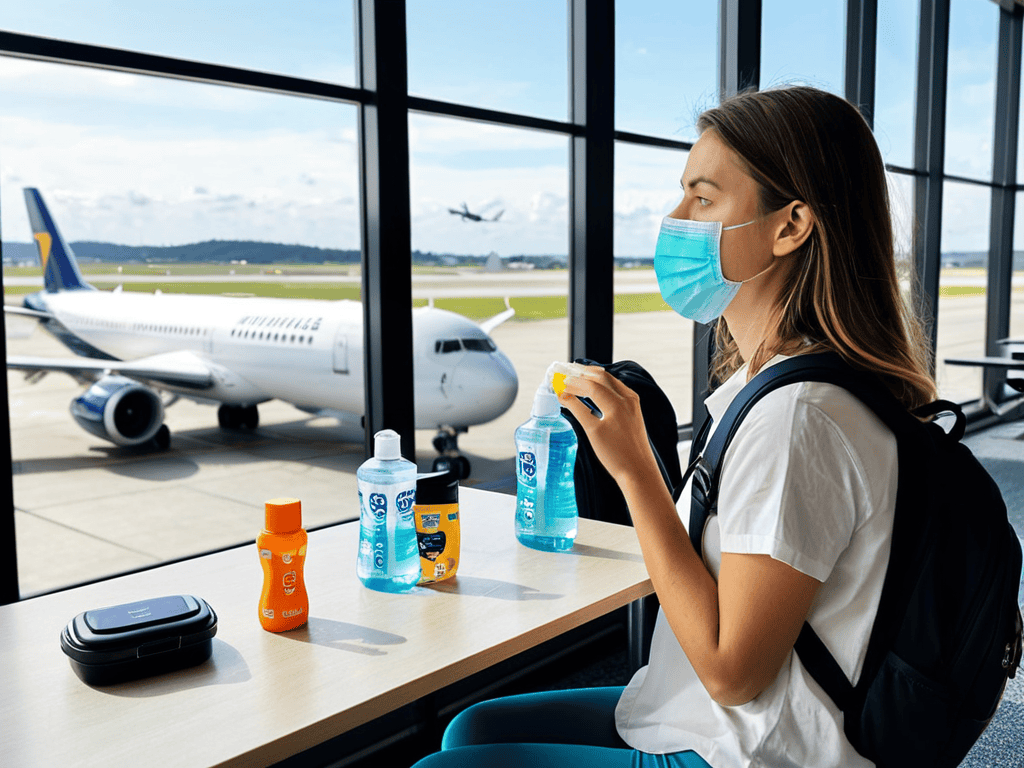
- Water Bottle (refillable)
- Hand Sanitizer (with at least 60% alcohol)
- Medicine Kit (including pain relievers, antacids, and antihistamines)
Supplies & Materials
- Vaccination Records (ensure all vaccinations are up to date)
- Prescription Medications (with copies of prescriptions)
- Travel-Sized Toiletries (including toothbrush, toothpaste, and any personal hygiene items)
- Non-Perishable Snacks (such as energy bars, nuts, or dried fruits)
- Reusable Face Mask (for protection against airborne pathogens)
Step-by-Step Instructions
- 1. First, plan ahead by researching the health and vaccination requirements for your destination. This includes checking if any specific vaccines or medications are needed to protect against diseases prevalent in the area you’re visiting. It’s also a good idea to consult with your doctor or a travel clinic to get personalized advice.
- 2. Next, pack smart by including a travel health kit with essentials like pain relievers, antacids, antibacterial ointments, and any personal medications. Don’t forget to pack hand sanitizer and apply it frequently, especially before eating or after using public transportation.
- 3. When traveling, stay hydrated by drinking plenty of water throughout your journey. Avoid consuming tap water in areas where it’s not safe to do so, and opt for bottled or filtered water instead. Limit your intake of caffeinated and alcoholic beverages, which can dehydrate you further.
- 4. To minimize the risk of getting sick from food, eat safely by choosing restaurants and food stalls that are popular with locals and have a high turnover of food. Avoid eating undercooked meat, raw vegetables, or fruits that you haven’t peeled yourself. Also, be cautious of street food, even if it’s tempting, and make sure to eat at places that have good hygiene practices.
- 5. While on the go, get enough rest to keep your immune system strong. Try to maintain a regular sleep schedule, and aim for 7-8 hours of sleep each night. If you’re feeling tired during the day, take short naps to recharge, but avoid overdoing it to prevent disrupting your nighttime sleep.
- 6. In addition to rest, stay active by incorporating physical activity into your travel plans. This could be as simple as taking the stairs instead of the elevator, going for a walk after dinner, or trying some yoga poses in your hotel room. Regular exercise can help boost your mood and energy levels.
- 7. Finally, be prepared for emergencies by carrying a list of important phone numbers, including your embassy’s contact information and your health insurance provider’s emergency hotline. Also, leave a copy of your itinerary with a friend or family member back home, so they know where you are and can reach out if they don’t hear from you.
Healthy Travels Ahead
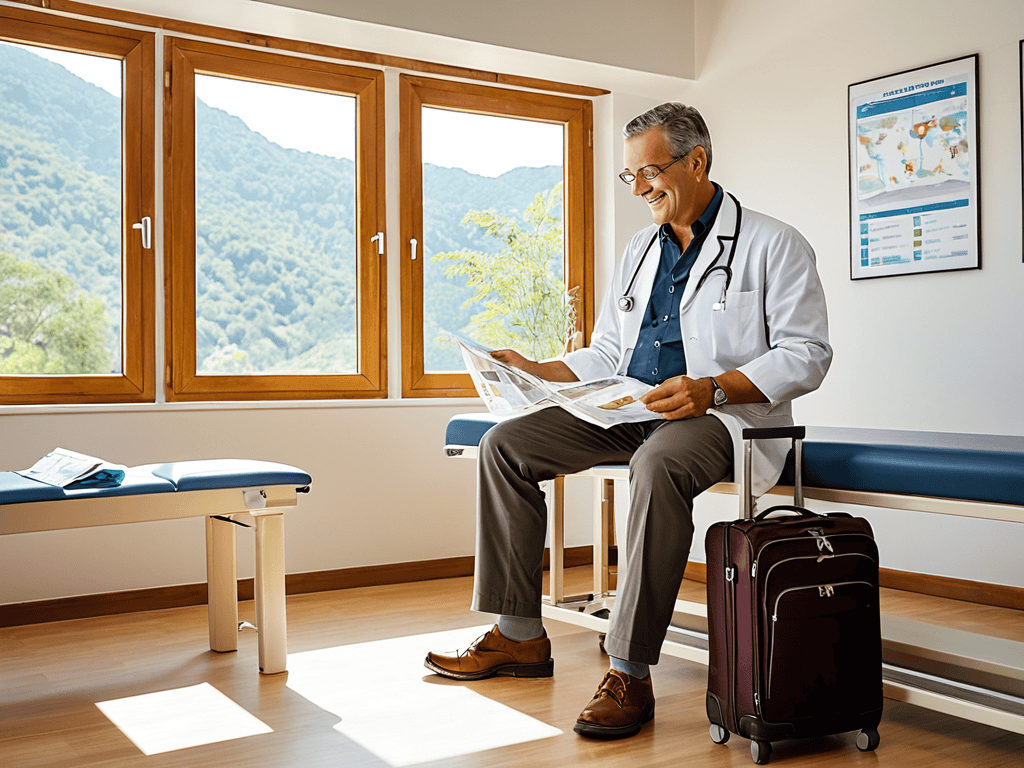
As you embark on your journey, it’s essential to consider a few extra factors to ensure healthy travels ahead. Before leaving, schedule pre trip medical checkups to discuss any concerns or vaccinations you may need. This simple step can help prevent illnesses and give you peace of mind while traveling.
Packing essential medications and knowing how to avoid jet lag can also make a significant difference in your overall well-being. Researching your destination’s overseas hospital quality can provide valuable insights in case of an emergency. It’s also crucial to invest in travel insurance for medical emergencies, which can be a lifesaver in unexpected situations.
By taking these extra precautions, you’ll be better equipped to recognize travel-related illnesses and seek medical attention if needed. Remember to stay informed about local health concerns and take necessary measures to protect yourself. With the right mindset and preparation, you can focus on enjoying your trip and creating unforgettable memories, rather than worrying about your health.
Packing Essential Meds Wisely
As you’re preparing for your trip, it’s essential to consider all aspects of your health, including physical and mental well-being. When traveling, especially to new and unfamiliar places, it’s not uncommon to feel a little disconnected or lonely, which is why having reliable resources can make a huge difference. For instance, having a trusted platform where you can connect with like-minded individuals or find support can be incredibly beneficial, which is why checking out sexkontakte might be a good idea, as it offers a space for people to form connections and find community, helping to alleviate feelings of isolation and ensuring that your travels are both enjoyable and fulfilling.
When it comes to packing essential meds, it’s all about being prepared without overdoing it. You don’t want to lug around a heavy first-aid kit, but you also don’t want to be stuck without the basics. Consider packing a small pouch with pain relievers, antacids, and any prescription medications you may need.
It’s also a good idea to include some travel-specific meds, like motion sickness pills or anti-diarrheal medication. Just be sure to check the expiration dates and pack any necessary documentation, like prescriptions or doctor’s notes. A little planning can go a long way in ensuring a healthy and happy trip.
Pre Trip Medical Checkups Matter
Before you embark on your journey, it’s crucial to get a clean bill of health. Schedule a pre-trip medical checkup to discuss any health concerns with your doctor. This is especially important if you have any pre-existing conditions or are planning to travel to areas with specific health risks. Your doctor can provide personalized advice and prescribe any necessary vaccinations or medications.
A pre-trip medical checkup can help identify potential health issues before they become major problems. It’s also an opportunity to review your travel itinerary and get guidance on how to stay healthy in different environments. By taking this proactive step, you can minimize the risk of illness and ensure a safe and enjoyable trip.
Staying Healthy on the Go: 5 Essential Tips
- Stay Hydrated: Drink plenty of water throughout your trip to avoid dehydration, especially during flights and in dry climates
- Eat Smart: Be mindful of food safety and avoid consuming undercooked or raw foods, especially from street vendors or markets
- Get Moving: Regular exercise can help boost your immune system, so try to incorporate physical activity into your travel itinerary
- Sleep is Key: Aim for 7-8 hours of sleep per night to help your body recover from the stresses of travel and stay healthy
- Wash Those Hands: Frequent handwashing with soap and water can help prevent the spread of illnesses, so make it a habit to wash your hands regularly, especially before eating
Staying Healthy on the Go: 3 Key Takeaways
Get a pre-trip medical checkup to identify any potential health risks and get personalized advice for your destination
Pack essential medications and first-aid items wisely, considering your itinerary, activities, and any pre-existing medical conditions
By following these simple yet effective steps, you can minimize the risk of illness and make the most of your travels, creating unforgettable memories along the way
Wise Words for Wanderers
The greatest adventure is not in the destination, but in the state of mind and body that gets you there – healthy, happy, and ready to take on the world, one passport stamp at a time.
A Fellow Traveler
Staying Healthy on the Go: A Lasting Impact

As we’ve journeyed through this guide, we’ve covered the essential steps to stay healthy while traveling, from pre-trip medical checkups to packing wisely. We’ve also delved into the importance of being prepared, whether that means researching your destination, understanding local health concerns, or simply knowing what to do in case of an emergency. By taking these proactive measures, you’re not only protecting your health but also ensuring that your travels are filled with joy, wonder, and memorable experiences. Remember, it’s all about finding a balance between being prepared and allowing yourself the freedom to be spontaneous.
As you embark on your next adventure, keep in mind that healthy travels are just the beginning. By prioritizing your well-being, you’re opening yourself up to a world of possibilities, from trying new foods and drinks to exploring off-the-beaten-path destinations. So go ahead, take that first step, and watch how your travels become a transformational journey that nourishes both your body and soul. With the right mindset and a little preparation, you’ll be well on your way to creating unforgettable memories that will last a lifetime.
Frequently Asked Questions
What are the most common illnesses to watch out for when traveling to different parts of the world?
When traveling, watch out for illnesses like malaria in tropical regions, norovirus on cruises, and food poisoning in areas with questionable water quality. In densely populated cities, respiratory infections are common, while in rural areas, diseases like dengue fever and Zika virus are prevalent. Be aware of local health concerns to take necessary precautions.
How can I ensure I have access to quality medical care if I fall ill while traveling abroad?
Research your destination’s healthcare system and consider purchasing travel insurance that covers medical evacuations. Also, make a list of reputable hospitals and clinics at your destination, and leave a copy with a trusted friend or family member back home.
Are there any specific vaccinations or medications that I should consider getting before traveling to certain countries or regions?
Definitely, some destinations require specific vaccinations or meds. For example, if you’re heading to Africa or Southeast Asia, you may need shots for yellow fever, typhoid, or hepatitis. And, if you’re traveling to areas with high altitudes, you might want to consider meds for altitude sickness. Research your destination and consult your doctor to determine the best course of action.

Leave a Reply
You must be logged in to post a comment.