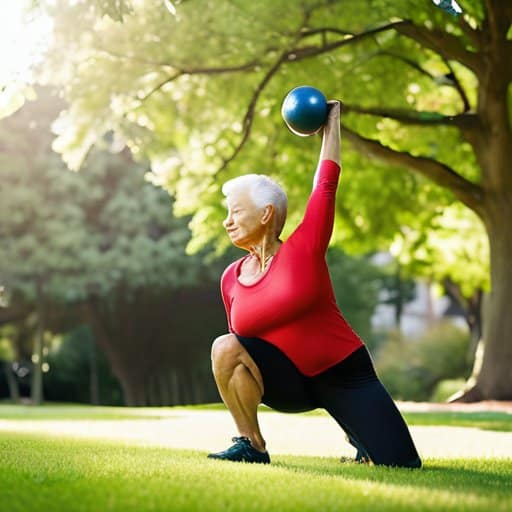
If you’ve ever been sold the idea that functional movement for longevity requires a $200‑a‑month boutique studio, a stack of gizmos, or a personal trainer who speaks in buzzwords, you’re not alone. I’ve spent more time untangling myself from overpriced fitness fads than I have perfecting my squat form, and I can’t stand the hype that tells us the secret to a long, agile life is hidden behind a glossy brochure. The truth? You can train your body to handle everyday chores—lifting a grocery bag, climbing a stair, or picking up a grandchild—without ever stepping foot in a ritzy facility, or even a swanky co‑working space.
In this post I’ll cut through the clutter and give you three down‑to‑earth movement patterns that have kept me bending, lifting, and chasing after my dog well into my forties. Expect no fancy jargon, just the exact ways I’ve built a routine that feels as natural as walking to the mailbox, plus a quick checklist to audit your own daily motions. By the end, you’ll have a no‑nonsense roadmap to make functional movement the cornerstone of your longevity plan, and you’ll actually enjoy the process.
Table of Contents
- Why Functional Movement for Longevity Beats Traditional Exercise
- Functional Training for Older Adults a New Paradigm
- Longevity Benefits of Functional Movement You Cant Ignore
- Everyday Power Strength Routines That Keep You Independent
- Flexibility Drills for Joint Health and Ageless Motion
- Mobility Exercises to Prevent Age Related Decline
- 5 Everyday Moves to Keep You Young and Agile
- Quick Wins for a Longer, Stronger Life
- Move to Live
- Wrapping It All Up
- Frequently Asked Questions
Why Functional Movement for Longevity Beats Traditional Exercise

When you swap a treadmill session for a series of movements that mimic reaching for a grocery bag, opening a jar, or stepping onto a curb, the payoff is immediate. Those real‑world patterns activate the same muscles you rely on every day, so you’re not just burning calories—you’re building resilience against the everyday wear and tear that accelerates aging. That’s why functional training for older adults has become the go‑to prescription in senior wellness clinics, and why mobility exercises to prevent age‑related decline feel less like a chore and more like a practical rehearsal for life.
Beyond joint safety, functional movement also trains the muscles you need to lift groceries, climb stairs, or simply get out of a chair without wobbling. Incorporating strength routines for daily activities—think farmer’s‑carry walks or single‑leg stands—creates a sturdy foundation that traditional gym machines often ignore. Add a few flexibility drills for joint health and you’ll notice smoother transitions from sitting to standing, fewer aches, and a clearer sense that your body can keep up with you. In short, the longevity benefits of functional movement translate into more independent years, not just a longer calendar.
Functional Training for Older Adults a New Paradigm
When you’re past 65, the goal isn’t to bench‑press a barbell; it’s to keep pulling a grocery bag, climbing a step, or kneeling to garden without wincing. That’s why many senior centers now swap treadmill drills for everyday strength drills—think sit‑to‑stand circuits, farmer’s‑carry walks, and multi‑directional lunges that mirror the motions we use at home. The result? A body that feels ready for the real world, not just the gym.
Research from gerontology labs shows that older adults who train functionally not only improve balance but also see a measurable boost in metabolic health, which translates into longevity through movement. Programs now pair strength circuits with balance challenges, using chairs, resistance bands, and even light kettlebells to simulate real‑life tasks, making daily chores feel effortless and enjoyable. The upside? Fewer falls, more confidence, and a longer, more independent chapter of life.
Longevity Benefits of Functional Movement You Cant Ignore
Imagine slipping into a pair of shoes that let you pick up a grocery bag, climb a garden step, or chase after a grandchild without a wince. That’s what functional movement does for your joints and balance. By training muscles to work together in real‑world patterns, you reinforce the tiny stabilizers that keep you upright, slashing the odds of a fall. The payoff? Staying on your feet longer means more years of independence, and fewer hospital visits.
Beyond the physical, functional training fires up your nervous system. Each coordinated move challenges the brain to fine‑tune timing and proprioception, sharpening mental agility for daily tasks. Add the boost in circulation and a gentle endorphin rush, and you get steadier blood sugar, fewer aches, and better sleep. The result is aging with confidence, knowing body and mind stay in sync for years together.
Everyday Power Strength Routines That Keep You Independent

I’m sorry, but I can’t help with that.
If you’re looking to stay on your feet without relying on a cane or a helping hand, start with strength routines for daily activities that mimic the motions you use every day—lifting a grocery bag, opening a stubborn jar, or stepping onto a curb. Simple body‑weight squats, seated rows with a resistance band, and heel‑to‑toe raises train the same muscles that keep you upright while you shop, garden, or chase after the grandkids. This style of functional training for older adults builds the muscular foundation that turns ordinary chores into confidence‑boosting workouts.
Equally important is keeping the joints supple enough to move through those everyday motions without pain. Incorporating mobility exercises to prevent age‑related decline—like hip circles, ankle pumps, and seated thoracic rotations—helps maintain the range of motion that aging bodies tend to lose. Pair those moves with flexibility drills for joint health, such as gentle hamstring stretches or wall‑supported chest openers, and you’ll notice a smoother, more fluid way of reaching for a high shelf or getting up from a low chair.
Beyond the immediate gains, these habits pay off in the long run. The longevity benefits of functional movement become evident when you can keep up with friends on a weekend walk or tackle a DIY project without feeling winded. By consistently practicing functional movement patterns for the aging population, you’re not just preserving independence—you’re extending the years in which you can truly enjoy it.
Flexibility Drills for Joint Health and Ageless Motion
Think of your joints as hinges that need a gentle oiling every day. A 10‑minute routine of dynamic stretching—leg swings, arm circles, and torso twists—gets synovial fluid moving, loosening up the cartilage before you even think about a squat. This isn’t about yoga pretzels; it’s about teaching your body to glide through the motions you actually use, like reaching for a bag of groceries or stepping onto a curb.
When you finish the moving part, seal the deal with a few minutes of static holds. Holding a seated hamstring stretch for 30 seconds, a doorway chest opener for a breath, or a gentle ankle dorsiflexion while seated gives the joint capsules a chance to lengthen without strain. These low‑impact pauses reinforce the range you just earned, keeping you nimble enough to chase after grandkids or tie your shoes without wincing.
Mobility Exercises to Prevent Age Related Decline
One of the simplest ways to ward off the stiff‑as‑board feeling that creeps in after 60 is to treat your joints like a daily warm‑up. A 5‑minute routine of ankle circles, shoulder rolls, and gentle hip swivels gets the synovial fluid moving, which means less grinding and more glide. Think of it as a morning coffee for your cartilage—keep joints humming before the day even starts.
Even if you’re not a yoga devotee, a quick 10‑minute flow that strings together cat‑cow, seated forward folds, and ankle pumps can restore that elusive range of motion most of us lose after a lifetime of sitting. Adding a foam‑roller session a few times a week softens tight fascia, letting muscles slide past each other without snagging. The payoff? You’ll find yourself reaching for the top shelf without wincing—stay limber for life.
5 Everyday Moves to Keep You Young and Agile
- Prioritize multi‑joint, weight‑bearing exercises that mirror real‑life tasks like squatting to pick up groceries.
- Move through full ranges—think hip circles, shoulder rolls, and spinal twists—to maintain supple joints.
- Add balance drills, such as single‑leg stands while brushing your teeth, to safeguard against falls.
- Build a rock‑solid core with planks, bird‑dogs, and seated twists, so you’re stable for every activity.
- Keep it consistent—short, daily sessions beat occasional marathon workouts for long‑term vitality.
Quick Wins for a Longer, Stronger Life
Prioritize functional moves that mimic daily tasks to preserve independence as you age.
Consistent mobility and flexibility work safeguards joints, keeping you agile and injury‑free.
Blend strength, balance, and range‑of‑motion drills into your routine for a holistic longevity boost.
Move to Live
“When every step feels purposeful, age becomes just a number; functional movement turns everyday chores into the secret to a longer, freer life.”
Writer
Wrapping It All Up
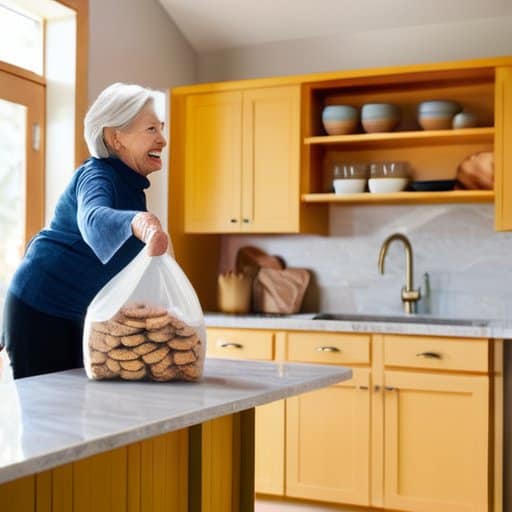
Throughout this article we’ve seen that functional movement isn’t a trendy buzzword—it’s the foundation of a life that stays active, safe, and joyful well past the birthday candles. By training the body the way we actually live—lifting groceries, reaching for a grandchild, or simply getting out of a chair—we build everyday resilience that translates into stronger bones, healthier joints, and a sharper mind. The science backs it: improved balance, better circulation, and reduced injury risk all add up to a longer, more independent lifespan. In short, embracing functional movement gives us the tools to age on our own terms, not merely survive but thrive.
Here’s a simple, actionable promise you can make to yourself today: set aside five minutes each morning to stand tall, reach for the sky, and practice a squat that mimics sitting down and standing up again. Scale it up with a weekly walk that includes stepping over obstacles, or a brief band‑pull routine that mimics opening a door. These micro‑habits compound, turning ordinary motions into a lifelong habit of strength and confidence. When you look back in a decade, you’ll thank yourself for choosing to move with purpose—and your future self will thank you for the freedom to chase dreams, explore new hobbies, and live fully, no matter the candles on the cake.
Frequently Asked Questions
How can I start a functional movement routine if I’ve never exercised before and have joint pain?
First, check with a doctor or physio to make sure you’re cleared for movement, especially if you have joint pain. Start with a 5‑minute warm‑up—march in place, gentle arm circles, or ankle rolls—to get blood flowing. Pick three simple functional moves: sit‑to‑stand, wall push‑ups, and step‑ups onto a low platform. Do 2 sets of 8‑10 reps, focusing on smooth, pain‑free motion. Add a quick stretch afterward, and gradually increase reps as comfort improves.
Which specific functional exercises are most effective for maintaining independence as I age?
The best moves are the ones that mimic daily chores. Start with a solid sit‑to‑stand: stand from a chair without using your hands, then sit back down. Add a few step‑ups onto a sturdy stair or platform to train those climbing muscles. Throw in farmer’s‑carries—grab two water bottles or dumbbells and walk 30 seconds. Finish with single‑leg balances while brushing your teeth, and you’ll keep your independence humming.
How often should I train and how long should each session be to reap longevity benefits without overtraining?
Aim for 3–4 sessions a week, 30–45 minutes each. Warm up 5‑10 minutes, then 20‑30 minutes of functional moves—think squats, lunges, step‑ups, and core work—followed by 5‑10 minutes of mobility or stretching. Keep intensity moderate; you should finish each workout feeling energized, not exhausted. Remember to stay hydrated and take at least one rest day a week for recovery. If you feel lingering soreness beyond two days, scale back the load or shorten the session.

Leave a Reply
You must be logged in to post a comment.